
Pests and Diseases
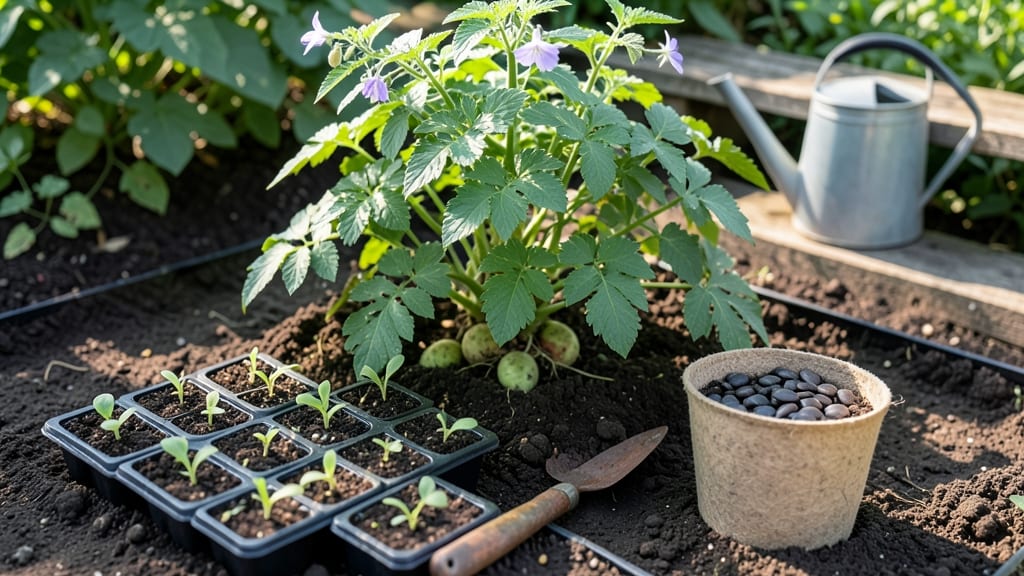
You shouldn't plant squash and potatoes together because their growth habits conflict—squash vines smother potatoes by blocking sunlight, while potatoes attract pests like Colorado potato beetles that also damage squash. These plants also compete aggressively for soil nutrients and space, leading to poor harvests for both.
This clash stems from fundamental differences in how these plants thrive. 🌱 Squash needs plenty of sunlight to fuel its sprawling vines, while potatoes prefer cooler, shaded conditions to develop their tubers. The Colorado potato beetle, a common potato pest, also targets squash, creating a double threat.
Even if you manage to grow both, their nutrient demands differ—potatoes crave nitrogen-rich soil, while squash benefits more from potassium. These opposing needs make coexistence nearly impossible without sacrificing yield quality.
For gardeners tempted to try this pairing, I recommend creating separate growing zones instead. Planting potatoes near marigolds or nasturtiums can deter pests naturally, while squash thrives alongside beans or corn.
Rotating these crops annually also prevents soil depletion and pest buildup, giving you healthier plants and better harvests over time. 💫
💡 In This Article
- Why Squash and Potatoes Clash in the Garden
- Best Companion Plants for Squash and Potatoes
Why squash and potatoes clash in the garden
The core conflict between squash and potatoes begins with their light requirements. Squash vines spread aggressively, creating dense canopies that block 60-70% of sunlight when fully mature. Potatoes, however, need full sun exposure (6-8 hours daily) to develop properly—especially for tuber formation.
This shade competition causes potatoes to produce smaller, misshapen tubers with lower starch content, making them less ideal for storage or cooking. 🌿
Nutrient competition adds another layer of conflict. Potatoes are heavy nitrogen feeders, requiring 100-150 lbs of nitrogen per acre for optimal growth. Meanwhile, squash prefers potassium-rich soils (with 200-300 lbs of potassium per acre) to support vine growth and fruit development.
When planted together, both crops deplete the soil differently, creating nutrient imbalances that stress both plants. For example, nitrogen-deficient squash vines become weak and more susceptible to diseases like powdery mildew.
The pest dynamic further complicates this pairing. Colorado potato beetles, a major potato pest, also target squash plants with their yellow-orange flowers. A single beetle can lay 500-1,000 eggs in its lifetime, and these larvae will devour both potato foliage and squash leaves indiscriminately.
Even if you control beetles, potatoes attract other pests like flea beetles that may also harm squash. The shared pest pressure means you'd need aggressive intervention (like frequent sprays) to protect both crops, which defeats the purpose of companion planting.
Space requirements create physical conflicts too. Squash vines can spread 10-15 feet in a single season, while potatoes need 12-18 inches of space per plant in rows spaced 2-3 feet apart. This mismatch forces either crowding (reducing potato yields) or wasted garden space.
For instance, planting squash between potato rows would leave gaps where weeds thrive, while planting potatoes near squash vines risks tuber damage from the sprawling stems.
Here's what actually happens in mixed plantings: potatoes develop shallow, fibrous roots due to poor light penetration, making them more vulnerable to drought. Meanwhile, squash vines grow leggy and produce smaller, lower-quality fruit because their energy goes toward competing for light rather than flowering.
The result? Both crops underperform compared to when grown separately with proper spacing and sunlight. 🌱
For context, studies show that isolated potato plants in optimal conditions can yield 5-10 lbs per plant, while squash vines produce 3-5 lbs of fruit per plant when given full sun.
Planting them together typically reduces these yields by 30-50% due to the combined stresses of shade, nutrient competition, and pest pressure.
The takeaway? These plants have fundamentally different growth strategies that make coexistence nearly impossible without significant trade-offs. Instead of forcing them together, gardeners achieve better results by giving each plant its ideal growing conditions—whether that means dedicating separate garden beds or using raised rows with proper spacing. 💫