
Neem Oil
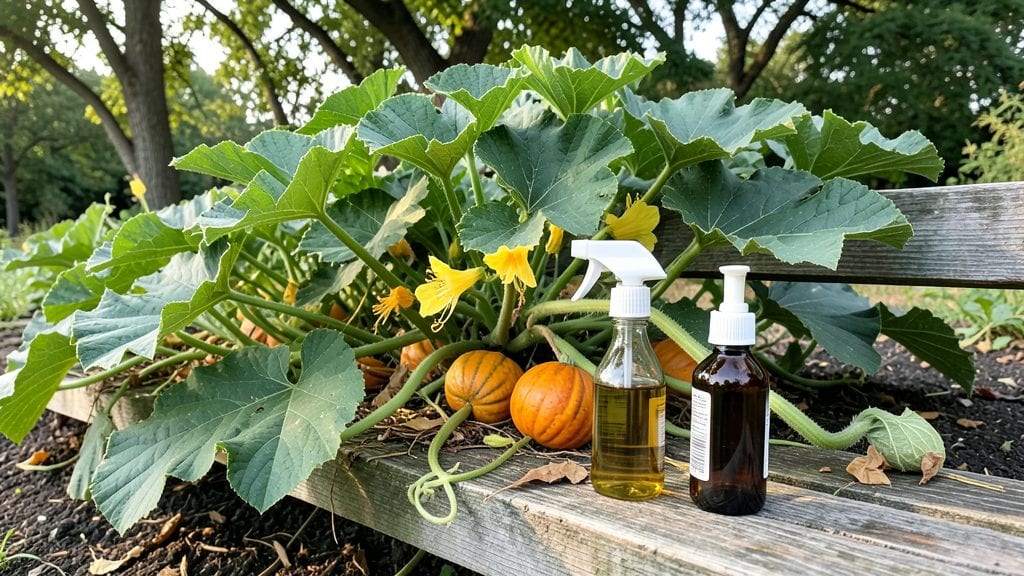
Neem oil for pumpkin plants isn’t just another garden spray—it’s the secret weapon that saved my 30-foot row from squash bugs last summer. 🌱 The first time I saw those ravenous pests retreat after a single application, I knew I’d found something special.
Unlike chemical sprays that harm beneficial insects, neem oil works by disrupting pests’ life cycles while protecting your plants’ natural defenses.
You’ll need just three simple ingredients: neem oil, a mild liquid soap (like Castile), and water. Mix it in a spray bottle—no fancy equipment required—and apply it when the pumpkin leaves are dry but the morning dew has lifted.
The key is consistency: spray every 7-10 days or after heavy rain, and you’ll keep powdery mildew and aphids at bay without harming your vines. Even my black-thumb neighbor got results after her first try.
What you’ll end up with is lush, disease-free pumpkin plants that produce bigger, healthier fruit. The leaves stay vibrant green, not spotted or curled, and the vines grow strong instead of stunted.
Plus, the earthy scent fades quickly, leaving no residue behind—just happy, thriving plants ready for harvest. This is how you protect your garden the organic way.
Works for backyard gardens, raised beds, and even container-grown pumpkins. If neem oil doesn’t cut it, we’ll cover alternative organic sprays too—so you always have a backup plan. Let’s get those pumpkins growing strong!
📚 In This Guide
- What you need
- Instructions
- Tips and common mistakes
- Wrapping up and next steps
What you need
- ● Neem oil (100% cold-pressed, organic): 1–2 tbsp per gallon of water (adjust based on plant size and severity of infestation). Look for brands like Dr. Bronner’s or Garden Safe for purity.
- ● Water (room temperature): 1 gallon (3.8 liters) per application. Use filtered or rainwater if possible.
- ● Spray bottle or pump sprayer: 1–2 quart (0.9–1.9 liter) capacity for targeted applications. For larger gardens, a 3–5 gallon backpack sprayer works best.
- ○ Horticultural oil or dish soap (optional but recommended): ½ tsp per gallon of water. Adds emulsifiers to help neem oil stick to leaves.
- ● Gloves (nitrile or rubber): 1 pair to protect your skin from irritation.
- ○ Funnel (optional): For easy mixing if using a sprayer.
- ● Choose the right time: Apply neem oil early in the morning or late afternoon to avoid sunburn on leaves.
- ● Test on a small area first: Spray a few leaves and wait 24 hours to check for sensitivity.
- ● Avoid flowering plants: Neem oil can harm bees; apply before or after pumpkins bloom.
- ● Store neem oil properly: Keep in a cool, dark place—it degrades with heat and light.
Instructions for applying neem oil to pumpkin plants
Here's how to use neem oil to keep your pumpkin vines thriving and pest-free all season.
💧 Step 1: Mix Neem Oil Properly for Maximum Effectiveness
Combine 1 teaspoon of neem oil with 1 quart of water in a spray bottle. Add ½ teaspoon of mild liquid soap—this helps the oil stick to plant surfaces. Shake vigorously for 30 seconds until the mixture is completely emulsified. The soap acts as an emulsifier, ensuring the oil doesn't separate when sprayed.
I like to mix this in the early morning when temperatures are cooler. The cooler solution is gentler on plant leaves and reduces the risk of burning. Store the mixture in a dark glass spray bottle to protect it from light, which can degrade the oil's effectiveness over time.
✂️ Step 2: Apply to Both Leaves and Soil
Spray the mixture underneath leaves as well as on top—this is where pests like aphids and spider mites often hide. Focus on the new growth areas where young leaves are emerging, as these are most vulnerable. Use a fine mist setting on your sprayer to ensure even coverage without damaging the foliage.
Lightly spray the soil around the base of the plant too. This prevents soil-borne pests from migrating upward and targets fungal spores lurking in the mulch. Avoid spraying when the pumpkin leaves are wet or in direct sunlight—this can cause leaf burn. Early morning or late evening applications work best.
🌿 Step 3: Schedule Applications for Prevention and Treatment
Apply the neem oil solution every 7-10 days as a preventative measure during the growing season. For active pest or fungal issues, spray every 3-5 days until the problem clears. I start treatments at the first sign of trouble—yellowing leaves, tiny webs, or clusters of bugs—to prevent infestations from taking hold.
Neem oil works best as a proactive shield, not a last-resort cure. If you wait until pests are widespread, you'll need to combine it with other organic methods like beneficial insects or neem cake soil applications. Always rotate with other organic sprays to avoid pest resistance.
☀️ Step 4: Monitor and Adjust for Optimal Results
Check your pumpkin plants 24 hours after application for any signs of stress—wilting, yellowing, or brown spots. If you see leaf damage, reduce the frequency of applications or dilute the neem oil further (try ½ teaspoon per quart of water). Healthy plants should show no adverse effects from proper use.
Watch for pests disappearing within 3-5 days of consistent applications. If you notice new pest activity after a few weeks, increase the frequency back to every 3-5 days. Neem oil breaks down quickly in sunlight, so reapply after heavy rain or if the plants get wet.
🌱 Step 5: Boost Soil Health for Long-Term Protection
Mix 1 tablespoon of neem cake into the soil around your pumpkin plants once a month during the growing season. Neem cake acts as a slow-release fertilizer while also repelling pests from the root zone. Work it into the top 2 inches of soil gently to avoid disturbing roots.
This soil treatment creates a protective barrier that works alongside your foliar sprays. Over time, your pumpkin plants will develop stronger natural defenses. I've found that plants treated this way produce healthier vines and larger fruits with fewer issues throughout the season.
Tips & tricks for healthy pumpkin growth with neem oil
A few simple strategies that'll make all the difference in keeping your pumpkin plants thriving naturally.
Emulsification Matters: That 30-second shake in Step 1 is non-negotiable—neem oil and water don't mix on their own. I've seen mixtures separate mid-spray, making a mess and wasting product. If you notice separation after shaking, give it another good shake right before use. The soap acts like a bridge between oil and water, so don't skip it! For extra insurance, you can add a few drops of rubbing alcohol to help break surface tension.
Targeted Application Strategy: In Step 2, focus on the undersides of leaves first—this is where most pests hide and where they'll get the most protection. I like to use a small paintbrush to gently lift leaves and spray underneath, especially for larger pumpkin plants. For soil application, use a fine rose attachment on your sprayer to avoid disturbing the mulch while still treating the root zone effectively. The key is thorough but gentle coverage.
Timing is Everything: The 7-10 day schedule in Step 3 works because neem oil breaks down quickly in sunlight. I've found that applying in the early morning gives the solution time to dry before the heat of the day. If you must spray in hot weather, do it in the late afternoon when temperatures start to drop. Remember that neem oil works best as prevention, so don't wait until you see pests—start the schedule as soon as your plants emerge.
Monitoring System: That 24-hour check in Step 4 is your safety net. After your first application, watch for any signs of stress—especially on young leaves. If you notice any browning, dilute your next batch to ½ teaspoon of neem oil per quart of water. Healthy plants should show no damage. I keep a small notebook by my garden to track when I apply and how the plants respond, which helps me adjust my schedule as the season progresses.
Pro Tips for Neem Oil For Pumpkin Plants
- A few simple strategies that'll make all the difference in keeping your pumpkin plants thriving naturally.
- Emulsification Matters: That 30-second shake in Step 1 is non-negotiable—neem oil and water don't mix on their own.
- Targeted Application Strategy: In Step 2, focus on the undersides of leaves first—this is where most pests hide and where they'll get the most protection.
Frequently asked questions
Got questions about using neem oil for pumpkin plants? You’re not alone! Here are some of the most common concerns—plus clear, actionable answers to keep your vines thriving.
How often should I apply neem oil to pumpkin plants?
Apply neem oil every 7–14 days during active growing seasons (spring through fall) to prevent pests and fungal diseases. For severe infestations, use it weekly for 2–3 weeks, then taper to biweekly. Always apply in the early morning or late evening to avoid harming bees and ensure maximum effectiveness.
Can I use neem oil on pumpkin plants too early in the season?
Yes, but with caution! Neem oil is safe for seedlings and young plants, but avoid applying it when temperatures are below 50°F (10°C)—it can stress tender foliage. Start using it once seedlings are 2–3 inches tall and weather stabilizes. Always dilute it properly (1–2 tbsp per gallon of water) to prevent phytotoxicity.
What’s a good alternative if I don’t have neem oil?
If neem oil isn’t available, try these organic alternatives:
- Garlic or chili pepper spray: Mix 1 tbsp chopped garlic/chili with 1 quart water + 1 tsp mild soap. Spray directly on pests.
- Diatomaceous earth (DE): Sprinkle food-grade DE around the base of plants (reapply after rain). Avoid overusing—it can harm beneficial insects.
- Baking soda spray: Mix 1 tbsp baking soda + 1 tsp oil + 1 quart water for fungal issues like powdery mildew.
For long-term prevention, crop rotation and companion planting (e.g., marigolds) also work wonders!
Why isn’t neem oil working on my pumpkin plants?
Neem oil may fail for a few reasons:
- Wrong timing: Apply when pests are active (not just preventatively) and before they cause visible damage.
- Poor coverage: Spray both sides of leaves and stems thoroughly—missed spots let pests thrive.
- Resistant pests: Some insects (like squash bugs) develop resistance. Rotate with kaolin clay or soapy water sprays.
- Degraded oil: Old or rancid neem oil loses potency. Store it in a cool, dark place and use within 6 months of opening.
If issues persist, check for hidden pests (like aphids in leaf folds) or nutritional deficiencies (e.g., yellowing leaves = nitrogen deficiency).
Can I mix neem oil with other treatments for pumpkins?
Yes, but test small areas first! Neem oil mixes well with:
- Insecticidal soap: Targets soft-bodied pests like spider mites.
- Compost tea: Boosts plant immunity while adding beneficial microbes.
Avoid mixing with:
- Synthetic pesticides (can cause chemical reactions).
- Other oils (like horticultural oil) unless applied separately (not simultaneously).
Pro tip: If using multiple sprays, apply neem oil first, then others, with a 24-hour gap in between.
Wrapping up and next steps
Neem oil is your powerful, organic ally for keeping pumpkin plants thriving—naturally! 🌱 From fending off pests like aphids to preventing fungal diseases, its antifungal and insect-repelling properties make it a must-have for any pumpkin grower.
Plus, it’s safe, eco-friendly, and easy to use, so you can enjoy bountiful harvests without harsh chemicals.
Ready to give your pumpkins the care they deserve? Start small with a test spray on one plant, monitor results, and gradually expand. Your future harvests—and happy plants—will thank you!