Watering
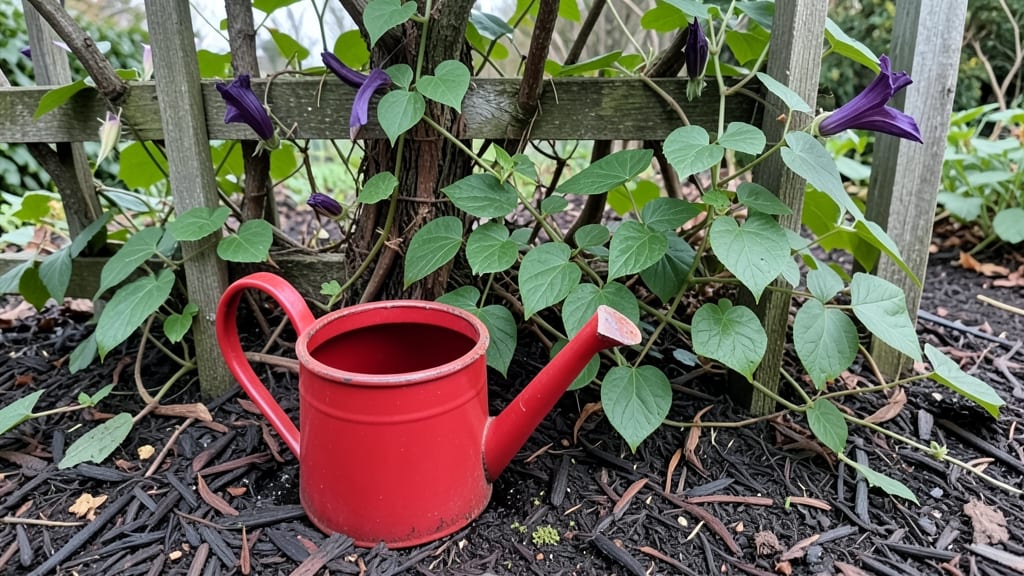
Clematis plants need consistent moisture to thrive, but getting the watering balance right can feel like a guessing game 🌸 — too much and you risk root rot, too little and your blooms may never open.
Struggling to keep your clematis blooming vibrantly? The secret lies in mastering its watering needs—too much or too little can stunt growth or invite disease. Discover the precise soil moisture balance that transforms wilted vines into a garden showstopper.
In USDA Zone 6a, where spring planting kicks off in March, young clematis roots are especially sensitive. They crave deep, infrequent watering rather than light, frequent sprinkles, which keeps them from drying out or sitting in soggy soil.
Below, I’ll break down exactly how often to water—whether you’re hand-watering or using drip irrigation—and how to tell if your clematis is getting just the right amount of hydration for those lush, long-lasting blooms.
How often to water clematis for optimal soil moisture
Clematis thrives when its soil moisture stays consistently even but not soggy. Unlike drought-tolerant succulents, clematis roots demand regular hydration—especially during active growth seasons. Overwatering causes root rot, while underwatering leads to drooping vines and poor blooms.
The key? Science-backed timing that adapts to your clematis variety and local climate.
Most gardeners water clematis once a week in spring and fall, but summer demands daily checks during heatwaves. Young plants need more frequent watering (every 3–4 days) until their roots establish.
Mature vines, however, can handle bi-weekly soaking once their root systems mature. The trick is deep watering—soaking the soil 12–18 inches deep to encourage deep root growth.
summary-table
| Season | Watering Frequency | Soil Depth | Notes |
|---|---|---|---|
| Spring (March–May) | Weekly (every 5–7 days) | 12–18 inches | Encourage root growth; avoid soggy soil |
| Summer (June–August) | 2–3x weekly (daily in heatwaves) | 12–18 inches | Morning watering preferred; mulch helps |
| Fall (September–November) | Bi-weekly (every 10–14 days) | 10–12 inches | Reduce water as temps drop; prep for dormancy |
| Winter (December–February) | Monthly (if no snow) | 6–8 inches | Dormant plants need minimal water |
| Young Plants (First Year) | Every 3–4 days | 8–12 inches | Keep soil moist but not waterlogged |
| Mature Plants (Year 2+) | Weekly–Bi-weekly | 12–18 inches | Deep roots reduce frequency needs |
To avoid guesswork, test soil moisture with your finger. Stick it 2–3 inches deep—if it feels dry, water deeply.
For sandy soil, water more frequently; clay soil holds moisture longer, so adjust accordingly. Drought-tolerant varieties like Clematis montana handle less frequent watering, while large-flowered hybrids (e.g., Clematis 'Jackmanii') need consistent moisture to support heavy blooms.
Morning watering is ideal—it reduces evaporation and fungal risks from wet foliage. If you must water in the evening, aim for the base of the plant and avoid wetting leaves.
A 5-gallon bucket of water per plant (for mature vines) is a good starting point, but adjust based on weather conditions and soil type. During prolonged droughts, increase frequency but never let the soil dry out completely.
Overwatering is a silent killer for clematis. Yellowing leaves, mushy stems, or a sour smell from the soil signal root rot. If you notice these signs, reduce watering and improve drainage by amending soil with compost or perlite.
For underwatered plants, watch for crispy leaf edges or drooping vines that don’t bounce back after watering. Revive them with a deep soak and mulch to retain moisture.
Mulching is a game-changer for clematis. Apply 2–3 inches of organic mulch (like wood chips or straw) around the base of the plant to lock in moisture and regulate soil temperature. Just keep mulch 6 inches away from the stem to prevent rot.
In container-grown clematis, water every 5–7 days since pots dry out faster. Use a moisture meter or your finger to check—if the top 1 inch of soil is dry, it’s time to water.
Not all clematis varieties have the same water needs. Early bloomers (like Clematis 'Niobe') benefit from steady moisture in early spring, while late-season varieties (e.g., Clematis 'Perle d'Azur') need less water as summer cools.
Group plants with similar needs together to simplify watering schedules. For example, vining clematis (e.g., Clematis viticella) tolerate drier conditions better than large-flowered types, which wilt faster in heat.
Rainwater is ideal for clematis—it’s <
Common watering mistakes that kill clematis blooms (and how to fix them)
Your clematis vines might look healthy on top, but hidden watering mistakes can silently sabotage their blooming potential. Overwatering causes root rot and fungal diseases, while underwatering stresses plants into dropping buds. Even well-meaning gardeners make these errors—let’s fix them before your next bloom season.
The most critical mistake is inconsistent soil moisture. Clematis roots need steady hydration, but soggy soil or dry spells confuse their growth signals. I’ve seen wilting leaves and stunted flowers from both extremes—don’t let this happen to your plants. The solution starts with understanding your soil’s moisture level.
🚨
Clematis roots need well-draining soil—if water pools around the base, roots suffocate. Yellowing leaves or mushy stems? You’re likely drowning your plant. Fix it by:
- ✅ Test soil moisture 2 inches deep before watering
- ✅ Water deeply but less often—aim for 1-2 inches per week
- ✅ Avoid wetting foliage to prevent fungal infections
Pro Tip: Use a moisture meter or the finger test—if soil feels damp, wait 2-3 days.
Underwatering causes bud blast, where flowers form but drop before opening. This happens when roots can’t access moisture during dry spells. I’ve rescued many clematis plants by adjusting their watering routine—morning watering is key to prevent evaporation. Aim for 1-1.5 gallons per plant during summer heatwaves.
Another silent killer is watering at the wrong time. Nighttime watering traps moisture on leaves, inviting powdery mildew and leaf spot diseases. Always water in the early morning so foliage dries quickly. If you notice white powder on leaves, prune affected areas immediately and reduce overhead watering.
For young clematis plants, the stakes are higher—root systems are delicate. Water every 5-7 days in containers or every 10-14 days in ground soil. Mature vines (2+ years old) tolerate slightly longer dry spells, but never let soil dry out completely.
A 3-inch mulch layer helps retain moisture and regulate temperature.
Use this quick diagnostic guide to troubleshoot:
- Drooping leaves + dry soil = Underwatering → Water deeply
- Yellow leaves + soggy soil = Overwatering → Reduce frequency
- Brown leaf edges = Fluctuating moisture → Mulch and water consistently
With these fixes, your clematis will reward you with bold, long-lasting blooms all season. 🌸