
How To
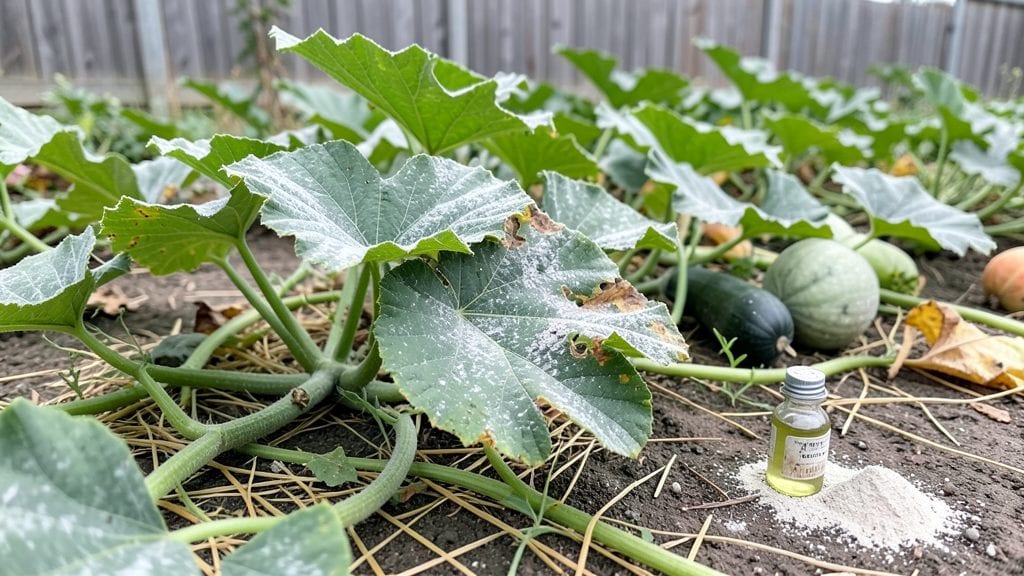
Treating powdery mildew on squash plants starts with spotting the white, flour-like dust on leaves—because ignoring it means losing your harvest faster than you think. 🌱 I’ve seen this fungus turn lush vines into skeletal remains in just two weeks, but there’s a simple, chemical-free way to turn things around before it spreads.
The key is acting fast with neem oil spray or a baking soda mix, both of which smother the fungus without harming your plants. Prune infected leaves immediately to stop the spread, and make sure your squash gets good airflow—crowded plants are mildew magnets.
This isn’t just about saving your crop; it’s about keeping your garden thriving for next season.
Within 5-7 days of treatment, you’ll see new growth pushing through, and the white dust will disappear. The plants stay strong, produce more fruit, and resist future outbreaks if you keep them healthy. No more wilting vines or bitter-tasting squash—just a garden that fights back.
Works for zucchini, summer squash, and pumpkins alike, whether you’re growing in the ground or containers. The secret? Catch it early, and you’ll never fear mildew again.
Root Causes of Squash Mildew
Powdery mildew isn’t just a random nuisance—it’s a fungal infection triggered by specific conditions that create the perfect storm for spores to thrive. Understanding these causes is the first step to stopping the spread and protecting your squash plants.
Let’s break down the key factors that turn your garden into a mildew magnet.
Fungi like powdery mildew love stagnant air. When squash plants grow too densely—whether from overcrowding, tall vines touching the ground, or thick foliage blocking airflow—the humidity lingers like a damp blanket. Here’s why this matters:
- Spores can’t dry out. Powdery mildew spores need moisture to germinate, and still air traps humidity near leaves, keeping them damp for longer.
- Leaves stay wet longer. Dew, rain, or even morning mist clings to surfaces when airflow is weak, giving spores a 24/7 party environment.
- Vine habits matter. Squash plants with sprawling vines (like zucchini or pumpkins) are high-risk if their leaves drag on soil or mulch, creating a humid microclimate.
Actionable insight: Prune plants to open gaps between vines, stake them vertically, or use trellises to lift foliage away from the ground. Aim for at least 12 inches of space between plants for optimal airflow.
Powdery mildew thrives when leaves stay wet for more than 4–6 hours. While it’s a surface fungus (unlike downy mildew, which needs water to infect), even brief moisture windows can kickstart an outbreak. Common moisture triggers include:
- Overwatering. Squash plants need consistent moisture, but soggy soil leads to excess transpiration (plant sweat), leaving leaves damp.
- Irrigation habits. Watering from above (especially in the evening) splashes spores onto leaves. Drip irrigation or soaker hoses target roots without wetting foliage.
- Poor drainage. Waterlogged soil forces plants to work harder, increasing leaf moisture and stress—both mildew magnets.
- High humidity. Greenhouses, shaded areas, or humid climates (like coastal regions) create ideal conditions for spores to spread via wind or touching.
Pro tip: Water early in the day (before 10 AM) so leaves dry by afternoon. Use mulch to retain soil moisture without wetting leaves—straw or shredded leaves work well.
Contrary to popular belief, powdery mildew doesn’t need extreme heat—it peaks in warm (60–80°F) but not scorching conditions. Here’s the science:
- Cooler nights + warm days. This temperature swing (common in spring/fall) stresses plants, weakening their defenses while keeping humidity high.
- Slow drying. Warm air holds more moisture, so leaves dry slower—giving spores time to germinate.
- Spores spread faster. Wind carries lighter spores more efficiently in mild, breezy conditions.
Regional note: If you’re in a hot, dry climate (e.g., desert Southwest), mildew may still strike during monsoon season or early mornings when temps drop. Shade cloth (30–50%) can help moderate leaf temperatures.
Healthy squash plants resist powdery mildew better than stressed ones. Common stressors that lower resistance:
- Nutrient deficiencies. Low nitrogen or phosphorus weakens cell walls, making leaves easier targets. Test soil for pH (ideal: 6.0–7.0) and amend with compost or balanced fertilizer (10-10-10).
- Over-fertilizing. Too much nitrogen promotes leafy growth over fruit, creating dense foliage that traps moisture.
- Pests or disease. Aphids, spider mites, or viral infections damage plant tissue, giving fungi entry points. Inspect leaves regularly for holes, yellowing, or sticky residue (honeydew).
- Transplant shock. Squash plants moved from seedlings to garden beds without acclimation (hardening off) struggle to adapt, leaving them vulnerable.
Quick fix: Side-dress plants with compost tea or fish emulsion mid-season to boost immunity. Avoid fertilizing late in the season—it encourages new growth that’s prone to mildew.
Powdery mildew spores can linger in soil or debris for years. Even if you treated last year’s squash, spores may still be hiding:
- Old plant debris. Leaving infected leaves or vines in the garden acts like a spore bank. Remove all plant material after harvest and compost it away from the garden.
- Contaminated tools. Pruners, gloves, or trellises used on infected plants can spread spores to healthy ones. Sanitize tools with 1 part bleach to 9 parts water.
- Nearby hosts. Weeds like lamb’s quarters or volunteer squash plants can harbor spores. Keep your garden weed-free, especially in rows.
Prevention tip: Plant resistant varieties (e.g., ‘Defender’ zucchini or ‘Waltham Butternut’ squash) and rotate crops yearly—avoid planting squash, cucumbers, or melons in the same spot for 3+ years.
Quick Fixes for Powdery Mildew
Powdery mildew may seem like a stubborn foe, but with the right approach, you can reverse the damage and protect your squash plants—without harsh chemicals. Below, we map the most common causes of powdery mildew to practical, fungicide-free solutions that work fast.
Plus, we’ll share prevention tips to keep your garden thriving long-term.
Powdery mildew thrives in damp, stagnant air, so improving airflow is your first line of defense.
- 🔪 Trim back foliage – Remove any leaves that are touching the soil or blocking sunlight. Use clean, sharp pruners to avoid spreading spores. - 🌿 Space plants properly – Squash vines need 3–4 feet of space between plants (or rows).
If growing in containers, ensure pots are large enough (at least 12–18 inches in diameter). - 💨 Use fans (yes, really!) – If your garden is naturally humid, place a small oscillating fan on low speed near your plants. The gentle breeze dries leaves faster and discourages fungal growth.
💡 Pro Tip: If mildew is already present, prune infected leaves immediately and dispose of them in the trash (not compost)—this stops spores from spreading to healthy plants.
Powdery mildew loves wet leaves, so how and when you water makes a huge difference.
- 🌞 Water at the base, not overhead – Use a soaker hose or drip irrigation to keep leaves dry.
Water in the early morning so foliage has time to dry before evening humidity sets in. - 🌿 Mulch correctly – Apply 2–3 inches of organic mulch (straw, shredded leaves, or grass clippings) around plants to reduce soil splatter onto leaves. - 🌡️ Avoid evening watering – Wet leaves + cool nights = perfect mildew conditions.
If you must water in the evening, aim for the soil only and finish by 6 PM.
✨ Prevention Hack: If your garden stays damp (like in shade or rainy climates), consider raising beds or using black plastic mulch to reflect heat and dry soil faster.
If mildew has already taken hold, natural sprays can help stop the spread and restore plant health.
🍳 Homemade Sprays (Safe & Effective)
| Spray Recipe | How to Use | Frequency |
|---|---|---|
| Baking Soda Spray | 1 tsp baking soda + 1 tsp horticultural oil + 1 quart water + dish soap (½ tsp) | Every 5–7 days until cleared |
| Milk Spray | 1 part raw milk + 9 parts water + 1 tsp soap (milk contains natural fungicides!) | Every 3–4 days |
| Neem Oil Mix | 1 tbsp neem oil + 1 tsp soapy water + 1 quart water (shake well!) | Every 7–10 days |
👨🍳 Application Tips:
- Spray both sides of leaves (mildew hides on undersides!).
- Apply in the early morning or late afternoon to avoid burning leaves in direct sun.
- Reapply after rain—water washes off natural sprays.
⚠️ Caution: Always test sprays on a small leaf first to check for sensitivity.
A healthy squash plant fights mildew better. Boost defenses with:
- 💪 Fertilize right – Use a balanced fertilizer (10-10-10) or compost tea to avoid nitrogen overload (too much = soft, mildew-prone leaves).
- 🍃 Companion planting – Grow marigolds, garlic, or oregano nearby—they repel pests and improve airflow.
- 🌿 Crop rotation – Never plant squash (or cucurbits) in the same spot two years in a row—this breaks the fungal cycle.
If more than 50% of leaves are infected or the plant is wilting severely, it may be best to remove and destroy the plant to protect others. Do not compost infected plants—bag them and toss in the trash.
🎯 Final Prevention Checklist: ✅ Space plants 3–4 feet apart ✅ Water at the base, never overhead ✅ Prune for airflow & remove infected leaves ✅ Use natural sprays preventatively (every 1–2 weeks) ✅ Mulch to keep soil dry ✅ Rotate crops yearly
With these steps, your squash plants will bounce back—and you’ll enjoy healthy, mildew-free harvests all season! 🎉
Frequently asked questions
Can I still harvest squash from plants with powdery mildew?
Yes, but only if the fruit itself is unaffected. The mildew targets leaves, not the edible parts, so you can keep picking squash as long as the vines and fruit remain healthy. Just avoid harvesting through infected foliage to prevent spreading spores to new growth.
How often should I apply homemade sprays like neem oil?
For prevention, spray every 7–10 days during humid seasons. If treating active mildew, apply every 5–7 days until symptoms disappear. Always reapply after rain, as water washes off natural fungicides. Morning applications work best to avoid leaf burn.
Will companion planting really help prevent mildew?
Planting marigolds, garlic, or oregano nearby improves airflow and repels pests that weaken squash plants. These companions also release natural fungicidal compounds that deter powdery mildew spores. Space them 12–18 inches from squash for maximum benefit.
Can I use store-bought fungicides safely on squash?
Yes, but opt for organic fungicides like copper-based sprays or sulfur treatments. Follow label instructions carefully—overuse can harm plants or leave residues. For edible crops, always choose OMRI-listed products and harvest after the recommended waiting period.
Why does mildew keep coming back even after treatment?
Lingering spores in soil or debris often cause repeat outbreaks. Remove all infected plant material, sanitize tools with bleach water, and rotate crops yearly. Poor airflow or overwatering may also reignite the problem—check your garden setup and adjust spacing or irrigation.