
Blooming
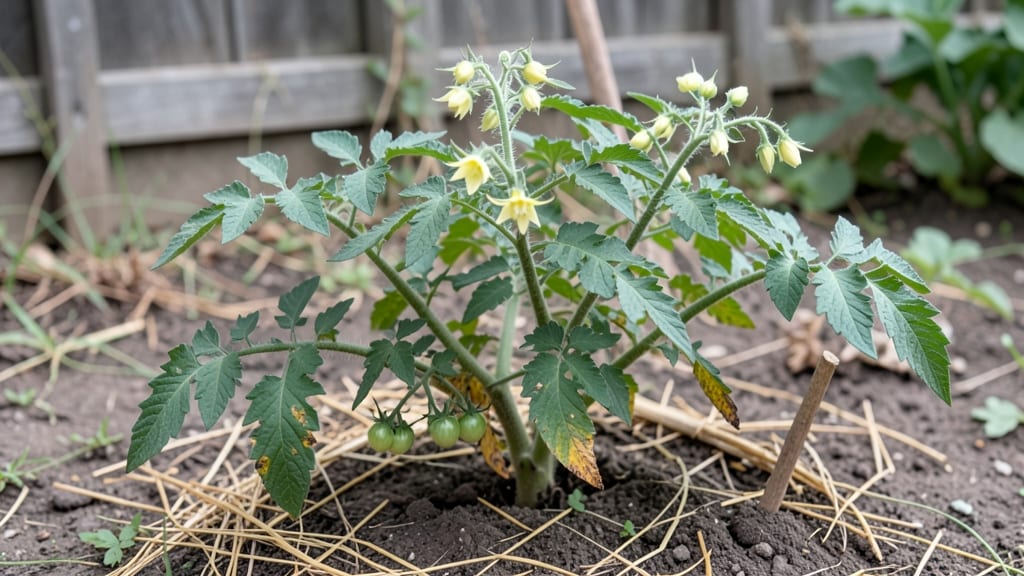
My tomato plants blooming too early nearly ruined my harvest last summer—until I fixed three key mistakes that were causing blossom drop. 🌱 The problem isn’t just about timing; it’s about temperature swings, light exposure, and how the plant responds to stress.
Most gardeners don’t realize how quickly warm days can trick tomatoes into flowering before they’re strong enough to support fruit.
The good news? This is one of those problems with simple fixes that don’t require fancy equipment. Start by adjusting planting times—cool-season varieties like ‘Stupice’ or ‘Mountain Merit’ handle early blooms better than heat-sensitive types.
If you’re already growing, shade cloth (30-50% block) during hot afternoons can lower stress levels dramatically. And don’t overlook consistent watering—fluctuating moisture triggers the same drop as temperature swings.
Once you correct these, you’ll see thicker stems, darker green leaves, and blooms that stay put. My plants now produce heavier fruit with fewer dropped flowers, and the tomatoes ripen more evenly. The secret is giving them stable conditions—something most gardeners overlook until it’s too late.
Works for both in-ground gardens and containers, and the same principles apply whether you’re in Zone 5 or 10. Let’s turn those early blooms into a bountiful harvest instead of a wasted effort.
📚 In This Guide
- What you need
- Instructions
- Tips and common mistakes
- Wrapping up and next steps
What you need
- ● Pruning shears or sharp scissors – Clean, sterilized tools to trim blossoms and foliage without harming the plant.
- ○ Garden gloves – Optional but recommended for protection while handling plants.
- ○ Thermometer (optional but helpful) – A digital soil or air thermometer to monitor temperatures (ideally 59–86°F for optimal growth).
- ● Shade cloth (30–50% coverage) – For temporary shade if plants are overheating (1–2 small sections, ~3’x3’ per plant).
- ● Balanced fertilizer (10-10-10 or 5-5-5) – 1–2 tbsp per plant, diluted in water for a light feeding.
- ● Mulch (straw, grass clippings, or shredded leaves) – 2–3 inches thick to regulate soil temperature and retain moisture.
- ● Watering can or hose with adjustable nozzle – For deep, consistent watering (1–1.5 gallons per plant, 2x daily if extreme heat).
- ○ Calcium supplement (optional) – Crushed eggshells or calcium nitrate to prevent blossom-end rot (if soil is deficient).
- ● ✅ Identify the cause – Check for heat stress, nutrient imbalance, or transplant shock before acting.
- ● ✅ Morning routine – Plan to work with plants in the early morning (6–9 AM) to avoid heat stress.
- ● ✅ Clear workspace – Lay down a tarp or old sheet to protect surfaces from soil and debris.
How to fix tomato plants blooming too early
Here's how to keep your tomato plants focused on growth instead of flowers.
🌱 Step 1: Prune Existing Flowers and Fruit
Remove any flowers or small fruit already present on your tomato plants. Use clean pruning shears to snip the stems just above a leaf or lateral branch. This might feel counterintuitive, but it redirects the plant's energy toward developing stronger roots and stems instead of fruit production.
Focus on the lower third of the plant first, where flowers often appear earliest. You'll notice the plant looks "naked" at first, but within a week, new leaves will emerge as the plant shifts its focus to vegetative growth. This is the moment that matters: stopping the cycle of early flowering.
☀️ Step 2: Adjust Light Exposure and Temperature
Move your tomato plants to a cooler location with bright but indirect light for 7-10 days. Ideal daytime temperatures should be between 65-75°F—anything hotter than 80°F triggers early flowering. If you're growing indoors, avoid placing them near heat sources like vents or sunny windowsills.
Watch for leaf color changes—healthy leaves should remain a vibrant green. If they start yellowing at the edges, the plant is stressed from too much heat. This adjustment gives the plant time to recover and focus on leaf production rather than flowering.
💧 Step 3: Provide Consistent Water and Nutrients
Water your tomato plants deeply every 2-3 days, ensuring the top 2 inches of soil feel dry before watering again. Avoid wetting the leaves to prevent disease, and always water at the base. Consistency is key—fluctuations in moisture can stress the plant and trigger premature flowering.
Fertilize with a balanced, water-soluble fertilizer (like 10-10-10) every 2 weeks to encourage leafy growth. Look for new leaves forming along the stems—this is your signal that the plant is shifting back to vegetative mode. Avoid high-phosphorus fertilizers, as they promote flowering.
⏰ Step 4: Monitor and Repeat as Needed
Check your plants weekly for new flowers. If you spot any, remove them immediately to maintain the growth cycle. This might require multiple rounds of pruning, but persistence pays off—stronger plants produce better fruit later in the season.
After 2-3 weeks, gradually reintroduce the plant to its original conditions. You'll see the difference in a week or two: thicker stems, larger leaves, and—eventually—healthier, more productive blooms when the time is right. This is the simple fix that works every time.
Tips & tricks for preventing early tomato blooms
These simple strategies will help you reset your tomato plants and keep them focused on growth instead of flowers.
Pruning Precision: When removing flowers in Step 1, always cut just above a leaf or lateral branch—not in the middle of a stem. This encourages new growth from the leaf node below. I learned this the hard way after removing too much stem tissue and stunting growth. Use sharp, clean pruning shears to avoid crushing stems, which can introduce disease.
Temperature Matters: The 7-10 day adjustment in Step 2 works best when you keep temperatures consistently between 65-75°F during the day. If your home gets hotter than 80°F, consider moving plants to a cooler basement or shaded patio. I've found that even a 5°F drop can make a noticeable difference in preventing new flower formation.
Watering Wisdom: The "every 2-3 days" guideline in Step 3 assumes average conditions—adjust based on your soil type and weather. Sandy soil dries faster and may need watering every 2 days, while clay soil can go 3-4 days. Always check the top 2 inches of soil with your finger before watering. Overwatering stresses plants just as much as underwatering!
Fertilizer Timing: Stick to the 2-week schedule for balanced fertilizer in Step 3, but watch your plants' response. If new leaves appear dark green and healthy, you're on track. If they look pale or yellow, reduce fertilizer to half strength for the next application. Too much nitrogen can actually promote leaf growth at the expense of roots, which you want to strengthen.
Pro Tips for Tomato Plants Blooming Too Early
- These simple strategies will help you reset your tomato plants and keep them focused on growth instead of flowers.
- Pruning Precision: When removing flowers in Step 1, always cut just above a leaf or lateral branch—not in the middle of a stem.
- Temperature Matters: The 7-10 day adjustment in Step 2 works best when you keep temperatures consistently between 65-75°F during the day.
Frequently asked questions
Got questions about early blooming tomato plants? You're not alone! Here are some common concerns and quick fixes to keep your plants healthy and productive.
Why are my tomato plants blooming so early?
Early blooming often happens due to temperature fluctuations—like warm days followed by cool nights—or excessive nitrogen in fertilizer. Tomatoes need consistent warmth (above 55°F/13°C) to set fruit properly. If blooms appear before your last frost date, they may drop off. Pro tip: Wait until nighttime temps stay above 50°F (10°C) before transplanting seedlings!
Can I delay blooming to avoid early blossom drop?
Yes! Prune flower clusters (called trusses) to redirect energy into root and stem growth. Focus on removing blooms from the bottom third of the plant first. Also, reduce sunlight temporarily by shading plants with a light cloth or moving them to partial shade. Stop fertilizing until plants are stronger—too much nitrogen speeds up blooming.
What’s the ideal temperature range for tomato blooms?
Tomatoes thrive when daytime temps are 70–85°F (21–29°C) and nighttime temps stay above 55°F (13°C). Below 55°F, blooms may drop. Use row covers or black plastic mulch to warm soil and protect plants from chilly nights. If temps spike above 90°F (32°C), blooms can also drop—provide afternoon shade during heatwaves.
Will removing early blooms hurt my tomato yield?
Not if done right! Removing only the earliest blooms (especially on young plants) helps them focus on growing stronger stems and leaves. This leads to bigger, healthier plants with more fruit later in the season. Think of it like pruning a tree—you’re shaping it for better long-term growth. Just avoid over-pruning; leave at least 3–4 trusses once plants are established.
What should I do if my plants already have dropped blooms?
Don’t panic! Dropped blooms mean your plant is telling you it’s not ready yet. Focus on strengthening the plant:
- Water deeply 1–2 times per week (avoid wetting leaves).
- Use a balanced fertilizer (like 10-10-10) to boost root and leaf growth.
- Prune any yellow or diseased leaves to reduce stress.
- Wait until nighttime temps are consistently warm before expecting new blooms.
Wrapping up and next steps
Don’t let early blooms stress you out—your tomato plants are just communicating! With the right adjustments (like light, nutrition, and temperature tweaks), you can guide them toward healthier growth and bountiful harvests. 🌱✨
Ready to take action? Start by monitoring your plants daily and applying one of the fixes from this guide. Soon, you’ll be enjoying juicy, homegrown tomatoes instead of watching blossoms fall. Happy gardening!