
Pests
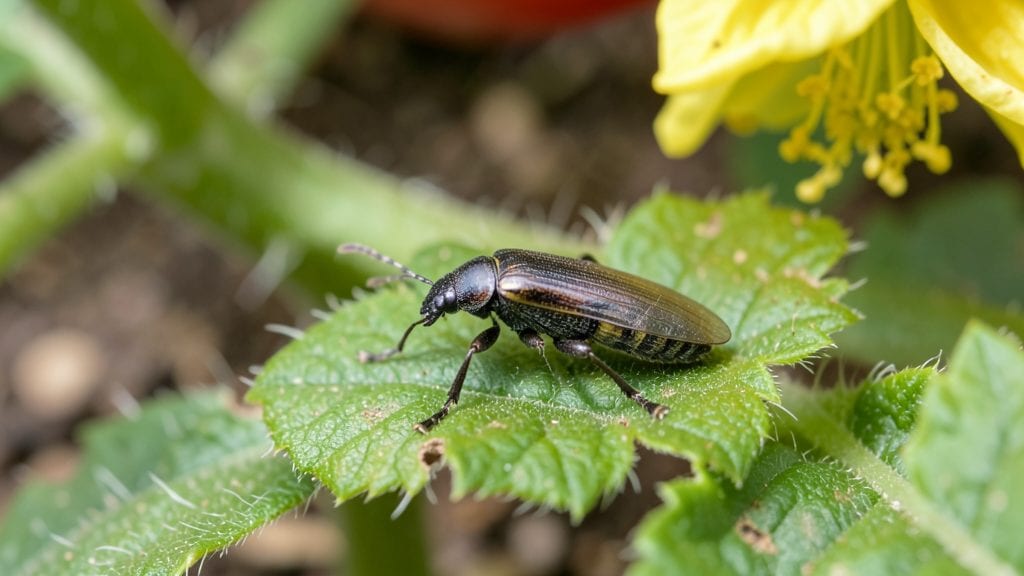
Flea beetles on tomato plants can turn your harvest into Swiss cheese faster than you can say "sauce." 🌱 I’ve battled these tiny black pests through three growing seasons, and I’ve finally cracked the code on how to stop them without resorting to harsh chemicals that harm pollinators.
The key? A layered approach that works within days—not weeks.
These beetles leave behind telltale holes in leaves, and if left unchecked, they’ll stunt your plants before they even set fruit. The good news? You don’t need fancy tools or expensive sprays.
Row covers, neem oil, and even a few strategic companion plants can make your tomatoes nearly invisible to them. I’ve seen plants recover in just 5-7 days once the right steps are in place.
By the end of this, your tomato plants will be thriving with fewer holes, stronger growth, and the confidence that comes from knowing you’ve outsmarted a common garden nuisance.
The best part? These methods work whether you’re growing in containers or a full raised bed. Let’s get those beetles under control.
Fair warning: the first step is spotting the damage early. Those tiny holes? That’s your cue to act fast. Once you recognize the problem, the solutions are simpler than you’d think—and they’ll keep your tomatoes healthy all season long.
Root Causes of Flea Beetle Attacks
Flea beetles don’t just randomly decide to feast on your tomato plants—they’re drawn by a mix of environmental cues, plant chemistry, and even your garden’s layout. Understanding why these tiny pests target your tomatoes is the first step to stopping them in their tracks.
Let’s break down the science behind their behavior and how your garden might be unknowingly inviting them over.
Flea beetles are picky eaters—they’re drawn to young, tender tomato plants with specific characteristics that make them irresistible:
- Soft, New Growth: Beetles prefer newly sprouted leaves and stems because they’re easier to chew through than mature foliage.
The high moisture and thin cell walls in young plants make them a buffet. - Volatile Organic Compounds (VOCs): Tomatoes release chemical signals (like green leaf volatiles) when damaged, which flea beetles detect from up to 10 feet away.
Once one beetle finds a plant, others follow the scent trail like a GPS. - Bright Green Color: Studies show flea beetles are visually attracted to vibrant green leaves, which indicate healthy, nutrient-rich plants. If your tomatoes are lush and glossy, you’re basically wearing a neon "Welcome" sign.
Pro Tip: 💡 If you notice skipping patterns in the holes (like a shotgun blast), that’s the beetle’s feeding signature—it jumps while eating, leaving behind a telltale pattern.
Flea beetles thrive in warm, dry weather, but they’re also sensitive to temperature swings. Here’s how your climate might be creating the perfect flea beetle paradise:
- Warm Days (70–85°F): Beetles are most active when temperatures rise, especially in afternoon heat. They seek out shaded, cool spots on your plants to feed and reproduce. - Dry Soil: Flea beetles avoid soggy conditions—they prefer well-drained soil where they can burrow and lay eggs.
If your garden has sandy or loose soil, it’s like a 5-star hotel for them. - Early Spring Planting: Beetles emerge as soon as soil warms to 50°F, often before your seedlings are hardened off.
Planting tomatoes too early gives them a head start on devouring your crops.
Warning: ⚠️ If you’ve had flea beetles before, they may overwinter in garden debris and re-emerge the next spring—so clean up last year’s plant material!
Your garden’s design might be accidentally providing flea beetles with a smorgasbord. These pests don’t just target tomatoes—they love a variety of plants:
- Nearby Host Plants: Flea beetles feast on solanaceous plants (tomatoes, peppers, eggplants, potatoes) and cruciferous veggies (cabbage, broccoli, kale). If these are growing nearby, your tomatoes become a high-risk target. - Weedy Areas: Plants like purslane, pigweed, and lambsquarters act as nursery grounds for flea beetles.
A weed-free garden reduces their breeding sites. - Monoculture Planting: Growing only tomatoes in a large patch makes it easy for beetles to find and stay put. Interplanting with basil, marigolds, or onions can disrupt their feeding patterns.
Fun Fact: 🐞 Flea beetles can leap 16 inches—so even if your tomatoes are in containers, they won’t be safe if other host plants are nearby!
Sometimes, the problem isn’t just what’s there—it’s what’s missing or what’s been disturbed:
- Lack of Natural Predators: Birds, lacewings, and ground beetles eat flea beetles, but if your garden lacks diverse ecosystems (like mulch, rocks, or water sources), these predators won’t stick around. - Overuse of Broad-Spectrum Pesticides: Chemicals like neonicotinoids can kill off beneficial insects first, leaving flea beetles unchecked.
Even synthetic pyrethroids may temporarily repel predators more than the beetles themselves. - Stressed Plants: Plants under nutrient deficiency, drought, or disease become weaker and more attractive to pests. A nitrogen-deficient tomato (yellowing leaves) is like a distress signal to flea beetles.
Pro Tip: 🌿 Companion planting with nasturtiums or borage can attract predatory wasps and hoverflies, which help keep flea beetle populations in balance.
Where you live plays a huge role in flea beetle outbreaks:
- Southern & Southwestern U.S.: Hot, dry climates extend the flea beetle season, meaning they’re active longer and in higher numbers.
- Northern Gardens: Cooler springs delay emergence, but if you plant early, beetles may still find your tomatoes before they’re established.
- Urban vs. Rural: Flea beetles are more common in rural areas with weedy fields, but urban gardens with containers or raised beds can still attract them if nearby landscapes are infested.
Key Insight: 🔍 If your neighbors have tomatoes, their flea beetle problems could spread to yours—these pests are excellent hitchhikers on wind and animals.
Sometimes, well-meaning gardening practices backfire and invite flea beetles:
- Overwatering Seedlings: Soggy soil may deter beetles, but overhead watering can wash away natural predators and create ideal egg-laying conditions in damp mulch. - Late Succession Planting: If you plant tomatoes after the first beetle wave, you’re basically rolling out the red carpet for them. - Ignoring Early Signs: Tiny shotgun holes in leaves are a warning, not a full-blown invasion.
Waiting to act gives beetles weeks to multiply.
Remember: ⏳ Flea beetles can lay 400+ eggs in a season—so early intervention is non-negotiable!
Flea beetles don’t act alone—they’re influenced by your plant choices, soil health, local wildlife, and even the weather. The good news? Knowing these triggers means you can outsmart them before they become a major problem.
Next, we’ll cover how to disrupt their life cycle using natural, science-backed methods that actually work.
Quick Fixes for Flea Beetle Havoc
Flea beetles may be tiny, but their damage can feel like a full-scale attack on your tomato plants. The good news? You don’t need harsh chemicals to win this battle.
Below are practical, effective solutions tailored to the root causes of infestations—from physical barriers to organic sprays—plus prevention tips to keep your tomatoes thriving.
Flea beetles are drawn to young, tender tomato seedlings. The simplest way to stop them? Make your plants less accessible.
🌱 Use Row Covers Early
- How it works: Lightweight floating row covers (made of spun polyester or breathable fabric) create a physical shield that beetles can’t penetrate.
- When to apply: Cover seedlings as soon as they sprout and keep them on until plants are 6+ inches tall (usually 3–4 weeks).
- Pro tip: Secure edges with soil or bricks to prevent beetles from crawling underneath.
Remove covers during pollination if using self-pollinating varieties (like cherry tomatoes).
🥔 Collar Seedlings with Toilet Paper or Cardboard
- How it works: Wrap the base of young plants with a 1–2 inch strip of toilet paper, cardboard, or aluminum foil.
Beetles can’t jump high enough to chew through it. - Bonus: This also deters cutworms! Remove collars once plants are 2–3 inches tall.
🍅 Plant Near Repellent Companions
- How it works: Flea beetles dislike strong-smelling herbs and flowers.
Interplant tomatoes with: - Basil (masks tomato scent) - Marigolds (natural pest repellent) - Nasturtiums (trap crop—beetles prefer these over tomatoes!) - Layout tip: Place repellent plants within 1–2 feet of tomatoes for maximum effect.
If beetles are already feasting, sprays can provide immediate relief. The key is reapplication (especially after rain) and targeting both adults and larvae.
🍋 Neem Oil Spray (Best for All Stages)
- How it works: Disrupts beetle feeding, growth, and reproduction.
Works on eggs, larvae, and adults. - Recipe: - 1 tbsp neem oil - 1 tsp honey or dish soap (as an emulsifier) - 1 quart water - Mix and spray early morning or late evening (avoid direct sun to prevent plant burn). - Frequency: Every 5–7 days until infestation clears.
🌶️ Hot Pepper Wax (Spicy Deterrent)
- How it works: Capsaicin (the compound that makes peppers hot) irritates beetles’ exoskeletons.
- Recipe:
- Blend 1–2 hot peppers (like cayenne or jalapeño) with 1 cup water.
- Strain, add 1 tbsp vegetable oil, and mix well.
- Spray on leaves and stems (avoid flowers to protect pollinators).
- Note: Reapply after rain. Wear gloves—it’s spicy!
🍎 Diatomaceous Earth (DE) Dust (For Heavy Infestations)
- How it works: Food-grade DE is a fine powder that dehydrates beetles on contact.
- How to apply:
- Lightly dust soil around plants and undersides of leaves (avoid over-applying—it can harm beneficial insects).
- Best for dry conditions (lose effectiveness when wet).
- Reapply after rain or every 3–5 days.
🥬 Soap Spray (Quick Knockdown)
- How it works: Insecticidal soap suffocates beetles but is not systemic (won’t kill eggs).
- Recipe:
- 1 tbsp mild liquid soap (like Castile soap)
- 1 quart water
- Spray directly on beetles (they’ll drop off within minutes).
- Frequency: Every 2–3 days until beetles are gone.
Flea beetles thrive in weak, stressed plants. Strengthen your tomatoes to make them less appealing.
💧 Water Deeply & Consistently
- Why it helps: Beetles love drought-stressed plants. Deep watering (1–2 inches per week) encourages healthy growth.
- Pro tip: Water at the base (not overhead) to avoid washing eggs into the soil.
🌿 Mulch Heavily
- How it works: A 2–3 inch layer of straw or grass clippings keeps soil moist, deters beetles, and smothers larvae in the soil.
- Bonus: Mulch also suppresses weeds, which can harbor beetle eggs.
🌱 Choose Resistant Varieties
- Best options: Some tomato varieties are naturally more resistant, like:
- ‘Cherokee Purple’
- ‘Mountain Merit’
- ‘Stupice’ (a heirloom with thick leaves)
- Where to find: Check seed catalogs for "flea beetle-resistant" labels.
If beetles are overwhelming your plants, these fast-acting tactics can save your harvest.
🌱 Trap Crops (Sacrificial Plants)
- How it works: Plant nasturtiums or radishes nearby—beetles will prefer these over your tomatoes.
- How to use:
- Plant trap crops 1–2 weeks before tomatoes.
- Once beetles infest the trap, destroy the plants (bag and toss in trash—don’t compost!).
- Repeat as needed.
🕵️ Manual Pickoff (For Small Gardens)
- How it works: Flea beetles are easy to spot—they’re tiny (1/16 inch), shiny black, and jump when disturbed.
- How to do it:
- Early morning (they’re sluggish from the cool).
- Shake plants over a bucket of soapy water (they’ll drown).
- Drop them into alcohol (rubbing alcohol works) for a quick kill.
- Frequency: Do this daily for 1–2 weeks to break the cycle.
Once you’ve eliminated the current infestation, these steps will minimize future attacks.
🌿 Rotate Plant Locations
- Why it works: Flea beetles overwinter in garden debris and return to the same spot yearly.
- How to do it: Move tomatoes to a new location every 2–3 years.
🧹 Clean Up Debris in Fall
- How it works: Remove all plant debris, weeds, and mulch after harvest to eliminate hiding spots for eggs and larvae.
- Pro tip: Till the soil in late fall to expose and kill overwintering beetles.
🌱 Start Seeds Indoors
- Why it works: Flea beetles target young seedlings. Growing tomatoes indoors for 4–6 weeks before transplanting gives them a head start.
- Bonus: Hardier plants recover faster from early damage.
🕊️ Encourage Beneficial Insects
- Who helps: Lady beetles (ladybugs), lacewings, and ground beetles eat flea beetle larvae.
- How to attract them:
- Plant dill, fennel, or yarrow (their favorite nectar sources).
- Avoid broad-spectrum pesticides (they kill good bugs too).
- ❌ Don’t use chemical pesticides (like malathion)—they kill beneficial insects and can harm your tomatoes.
- ❌ Don’t ignore early signs—waiting until plants are heavily damaged makes recovery harder.
- ❌ Don’t skip row covers on new transplants—this is your best first line of defense.
Final Thought: Flea beetles are **ann
Frequently asked questions
Why do flea beetles target my tomato plants specifically?
Tomatoes are a favorite because their young, tender leaves release chemical signals that attract beetles. The bright green color and high moisture content make them irresistible buffets. Beetles also target other solanaceous plants like peppers and eggplants, so interplanting with strong-smelling herbs like basil can help.
How quickly will my tomato plants recover after treating flea beetles?
With immediate action (like row covers or neem oil), you’ll see new growth within 5-7 days. Severe damage may take 2-3 weeks to fully recover, but consistent watering and mulching speed up healing. The key is stopping the beetles before they skeletonize the leaves.
Can I use diatomaceous earth on tomato plants with flea beetles?
Yes, but apply it carefully! Lightly dust soil and leaf undersides (avoid over-applying). It works best in dry conditions and loses effectiveness after rain. For heavy infestations, combine with row covers for maximum protection. Always use food-grade DE to avoid harming beneficial insects.
Will companion planting alone stop flea beetles?
Companion planting (like nasturtiums or marigolds) helps, but it’s most effective when combined with other methods. Nasturtiums act as trap crops, while basil masks tomato scents. For severe infestations, pair with neem oil or row covers for best results.
What’s the best time of day to apply neem oil for flea beetles?
Apply neem oil spray early morning or late evening to avoid harming pollinators. The cooler temperatures also improve effectiveness. Reapply every 5-7 days or after rain, and always mix with a small amount of soap to help it stick to leaves.