
Pests
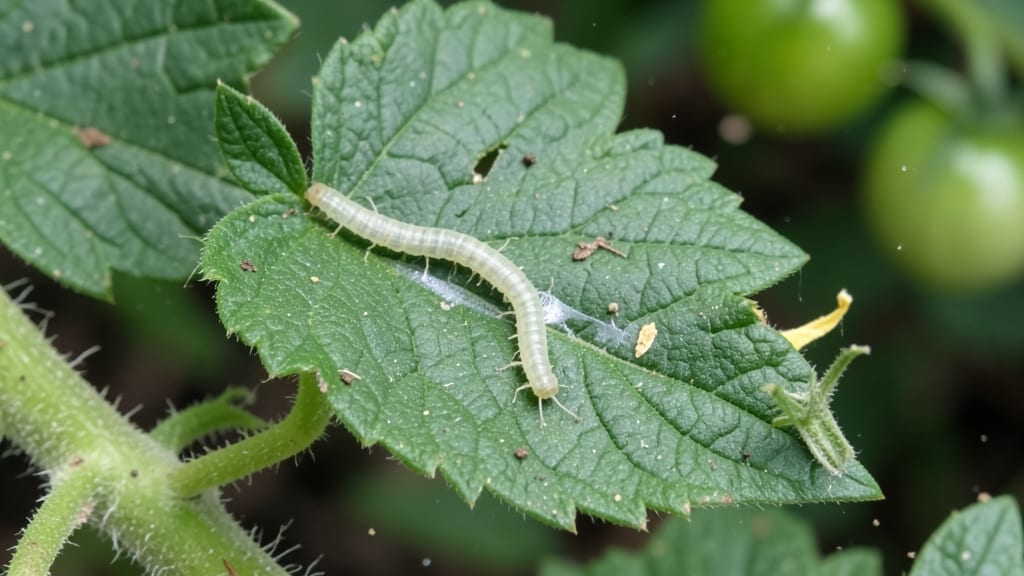
Worms on tomato plant leaves can turn your harvest into a chewed-up mess in no time—unless you act fast. 🌱 I’ve watched caterpillars strip entire plants bare in just a few days, and the key to saving your tomatoes isn’t harsh chemicals but quick, targeted action.
The damage isn’t just unsightly; it stunts growth and invites more pests to the party.
Most of these invaders—hornworms, cutworms, or slugs—hide under leaves during the day, making them easy to miss until the damage appears. I’ve learned to check plants early in the morning when they’re sluggish and easier to spot.
A simple handpick or soapy water spray can work wonders if you catch them early, but some worms burrow deep or blend into foliage.
By the end of this guide, you’ll know exactly how to identify the culprit, disrupt their lifecycle, and protect your plants without toxic sprays. The best part? These methods work within 24-48 hours if you’re consistent.
Your tomatoes will bounce back faster than you think, and you’ll keep those hungry worms from crashing your harvest again.
Whether you’re dealing with ravenous caterpillars or sneaky slug trails, these solutions adapt to your garden’s size and severity. Let’s get those leaves looking healthy again—your future salads depend on it.
Why it happens
Discovering worms—whether they’re squiggly caterpillars, tiny grubs, or slimy slug trails—on your tomato plant leaves can feel like a betrayal of your gardening efforts. 🌱🐛 But before you reach for the chemical spray, understanding why these pests show up is the first step to kicking them out for good.
Let’s break down the science behind their uninvited visits and how your garden might be accidentally rolling out the welcome mat.
🌡️ Overly Warm, Damp Conditions
Tomato plants thrive in warmth, but when the air hangs thick with humidity—especially after rain or overhead watering—you’re creating a pest paradise. Many leaf-dwelling worms, like hornworms or cutworms, seek out moist environments to lay eggs.
The larvae then hatch and feast on tender foliage. Even slugs and snails (which leave slimy trails) prefer dampness, as it keeps their bodies hydrated and helps them move more easily across leaves.
Why it matters: Stagnant water on leaves (from poor air circulation or heavy dew) traps heat and moisture, signaling pests that your plants are a prime buffet. Without proper airflow, fungal diseases can also take hold, weakening the plant and making it even more vulnerable to worm attacks.
🍃 Nutrient-Deficient or Stressed Plants
Healthy tomato plants are resilient, but when they’re starving for nutrients or struggling with stress (from drought, poor soil, or transplant shock), their defenses drop. Worms like tomato fruitworms or leafminers target stressed plants because they’re easier to penetrate.
Weak leaves lack the tough, bitter compounds that deter pests, making them a delicious snack.
Key triggers:
- Nitrogen deficiency: Pale, yellowing leaves signal a lack of nitrogen, which makes plants softer and more appealing to chewing pests.
- Over- or under-watering: Both extremes stress plants. Too much water drowns roots and attracts slugs; too little causes wilting, which can attract pests seeking damaged tissue.
- Compacted soil: Roots can’t access nutrients, and the plant’s immune system weakens, inviting worms to move in.
Pro tip: 💡 Conduct a simple soil test (or observe your plants) to check for deficiencies. A balanced fertilizer (like 10-10-10) or compost can restore vigor and make your tomatoes less appealing to pests.
🌿 Poor Garden Hygiene and Debris
Your garden isn’t just a home for tomatoes—it’s also a hotel for pests. Leaves, weeds, and plant debris provide hiding spots for worm eggs and adult pests. For example:
- Cutworms burrow into soil covered with mulch or dead leaves, then crawl out at night to munch on young tomato seedlings.
- Whiteflies and aphids (which can attract predatory worms) lay eggs on the undersides of leaves, especially if old growth is left to accumulate.
- Slugs and snails thrive in shaded, moist areas under dense mulch or near rotting organic matter.
Why it spreads: Pests don’t just appear out of nowhere—they hitchhike on wind, water, or animals. If your garden is cluttered, you’re giving them a permanent address instead of a fleeting visit.
🐝 Lack of Natural Predators
In a balanced ecosystem, worms like hornworms or loopers have natural enemies—birds, ladybugs, lacewings, and parasitic wasps—that keep their populations in check. But if your garden lacks biodiversity (e.g., no nearby wildflowers, birdhouses, or beneficial insects), these predators won’t show up. Without them, worm populations explode unchecked.
Signs your garden is predator-poor:
- Few birds or bats visiting your yard.
- No ladybugs, ground beetles, or spiders in your garden.
- Monoculture planting (e.g., only tomatoes, no herbs or flowers).
Quick fix: ✨ Plant companion plants like marigolds, basil, or dill to attract predatory insects. Even a small water feature can draw in beneficial species.
🌱 Overcrowded Tomato Plants
Tomatoes need space to breathe—literally. When plants are crowded, airflow is restricted, humidity rises between leaves, and pests find easy access to multiple hosts. For instance:
- Whiteflies and aphids cluster on the undersides of leaves in dense foliage, where they’re protected from sunlight and predators.
- Cutworms and slugs move more freely in shaded, humid microclimates created by overcrowding.
- Fungal diseases (like early blight) can spread faster, weakening plants and making them more susceptible to worm damage.
Rule of thumb: 🌡️ Space tomato plants 18–24 inches apart to improve airflow and reduce pest pressure. Prune suckers and lower leaves to keep the canopy open.
How to solve it
Discovering worms on your tomato plant leaves can be frustrating, but don’t panic—there are effective, natural ways to tackle the problem. Below, we’ve mapped out targeted solutions based on the most common causes, from organic sprays to cultural fixes.
Each method is designed to be easy to implement, even for beginner gardeners.
###
🔥 1. Hornworms: The Green Munchers
These voracious caterpillars can strip a tomato plant bare in days. Here’s how to stop them:
- 👨🍳 Handpick them early: Check leaves daily, especially in the morning when they’re sluggish. Drop them into a bucket of soapy water—no waste!
- 🎯 Introduce natural predators: Ladybugs, parasitic wasps, and braconid wasps love hornworms. Plant dill, fennel, or marigolds nearby to attract them.
- 🌿 Use neem oil spray: Mix 1 tbsp neem oil + 1 tsp mild soap in 1 quart of water. Spray leaves thoroughly every 5–7 days to deter eggs and young larvae.
###
🍳 2. Root-Knot Nematodes: Silent Underground Invaders
These microscopic worms thrive in soil and weaken roots, making plants susceptible to other pests. Combat them with:
- 🌡️ Solarize the soil: Cover beds with clear plastic for 4–6 weeks in hot weather (90°F+). The trapped heat kills nematodes and eggs.
- ✨ Plant resistant varieties: Choose tomato types like ‘Mountain Merit’ or ‘Defiant PhR,’ bred to tolerate nematodes.
- 💡 Rotate crops: Avoid planting tomatoes, peppers, or eggplants in the same spot for at least 3 years.
###
🔪 3. Cutworms: Nighttime Leaf Slicers
These camouflaged pests chew leaves at night. Stop them with these tricks:
- 🌙 Create barriers: Wrap the base of young plants with cardboard collars or use straw mulch to block their access.
- 🕯️ Use beer traps: Bury a shallow container filled with beer near the plant. Cutworms are attracted to the yeast and drown.
- 🕵️♂️ Inspect at dusk: Shine a flashlight on the soil—cutworms will curl up. Pick them off by hand.
###
⏰ 4. Prevention: Keep Pests Away Long-Term
Stop worms before they start with these proactive steps:
- 🌱 Healthy soil = strong plants: Amend soil with compost and worm castings to boost plant resilience.
- 🌿 Companion planting: Interplant tomatoes with basil, garlic, or onions—their strong scents repel pests.
- 🧼 Clean up debris: Remove fallen leaves and plant waste after harvest to eliminate hiding spots.
- 📅 Monitor regularly: Check plants 2–3 times weekly for early signs of infestation.
Pro Tip: 💡 Rotate your remedies to prevent pests from building resistance. Combine handpicking with organic sprays for best results!
Frequently asked questions
How can I tell if the worms on my tomato leaves are harmful?
Look for key signs like irregular holes in leaves, chewed stems, or slimy trails. Hornworms leave large, ragged bites, while cutworms create clean cuts near the soil line. Slugs leave behind shiny, wet trails. If you see more than 2-3 worms on a plant, act quickly to prevent further damage.
Are homemade remedies like garlic spray effective against tomato worms?
Yes! A garlic spray (blend 2 cloves with 1 quart water and strain) acts as a natural repellent. Spray leaves every 3-5 days to deter pests. It works best for slugs and soft-bodied worms, but may need combined with handpicking for hornworms. Test on a small leaf first to check for sensitivity.
Why do worms keep coming back after I treat them?
Worms often return because their eggs or larvae survive. Focus on preventing new infestations by cleaning up debris, improving airflow, and rotating remedies. Use neem oil (every 7 days) to break the lifecycle. Also check for hidden eggs in soil or plant crevices.
Can I use diatomaceous earth on tomato plants?
Food-grade diatomaceous earth kills worms by dehydrating them. Sprinkle a thin layer on leaves and soil (avoid spraying directly on flowers). Reapply after rain. Works best for slugs, cutworms, and small caterpillars. Pair with morning watering to help it stick.
Should I worry if worms only appear on a few leaves?
Early action prevents bigger problems! Remove affected leaves immediately and inspect the undersides for eggs. Focus on one plant at a time to contain the spread. Healthy plants recover faster when treated early. Your tomatoes will bounce back within 5-7 days with consistent care.