
Plants
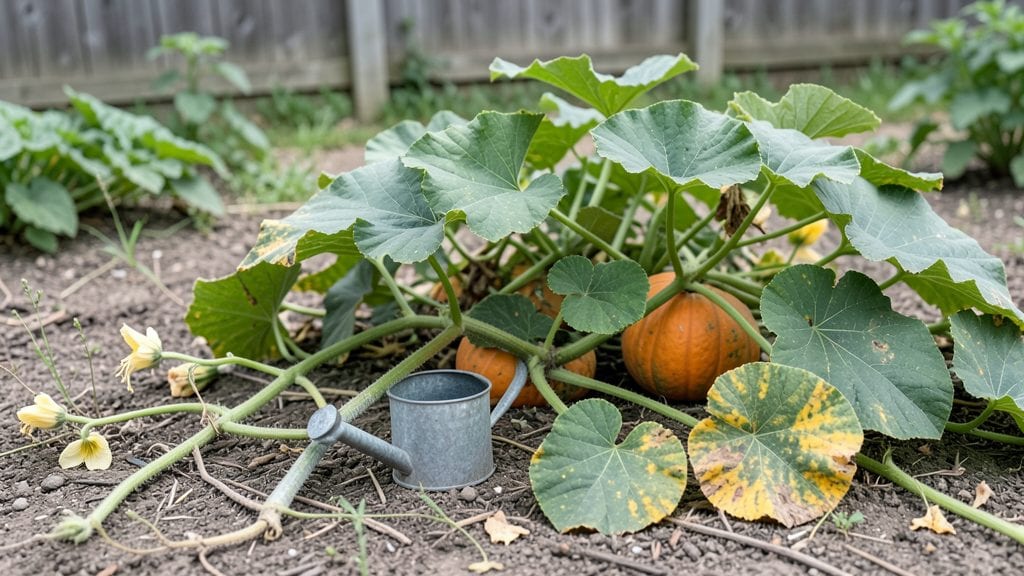
Pumpkin plant leaves turning yellow is the last thing you want when you’re counting down to harvest time. 🌱 I’ve watched my own vines go from vibrant green to sad, yellowing messes—until I learned the exact nutrient fixes that bring them back to life.
The good news? Most of these issues are fixable with simple adjustments.
Yellowing leaves usually mean one of three things: too much or too little water, a nutrient deficiency (especially nitrogen or magnesium), or a fungal problem like powdery mildew. I’ve seen my own plants bounce back within days after adding compost tea or adjusting my watering schedule—no fancy tools required.
The key is acting fast before the problem spreads to the fruit.
By the end of this, you’ll know exactly how to diagnose the issue and restore those vines to their healthy, thriving selves. Think lush green leaves, strong stems, and pumpkins that grow heavy and sweet—not the sad, stunted ones that come from neglect. Let’s get those plants back on track.
Whether you’re dealing with wilting, spots, or just a general yellowing, the fixes are straightforward and prevent future problems. Your next harvest could be the best one yet—if you catch this early and act right. Here’s how to make it happen.
Root Causes Behind Yellowing Leaves
When your pumpkin plant’s leaves start turning yellow, it’s often a distress signal from the plant itself. Understanding the underlying causes is key to restoring its health. Below, we break down the most common reasons—each with a clear, science-backed explanation—so you can diagnose the issue and take action.
Yellowing leaves are a classic sign of waterlogged roots, which suffocate the plant and prevent nutrient uptake.
Pumpkins thrive in well-draining soil, and excess moisture triggers: - Root rot (caused by fungi like Phytophthora or Pythium), which blocks water and nutrient flow. - Oxygen deprivation, leading to cellular stress and chlorosis (yellowing). - Nutrient leaching, where essential minerals wash away before the plant can absorb them.
How to spot it:
- Wilting despite wet soil.
- A foul, musky smell near the base.
- Leaves yellowing from the bottom up, often with a soggy texture.
Quick fix: Let the top 2–3 inches of soil dry out between waterings, and amend heavy soil with perlite or compost to improve aeration.
Pumpkin plants are heavy feeders, and yellowing leaves often signal a lack of critical nutrients. Here’s what to watch for:
| Symptom | Likely Deficiency | What It Means |
|---|---|---|
| Yellow between veins | Nitrogen (N) | Stunted growth, weak stems—plants can’t produce enough chlorophyll. |
| Yellow edges, brown tips | Potassium (K) | Weakens cell structure; leaves may curl or develop necrotic spots. |
| Pale yellow, weak growth | Magnesium (Mg) | Interveinal chlorosis (yellowing between veins) in older leaves first. |
| Yellowing + stunted roots | Phosphorus (P) | Poor root development and delayed flowering/fruiting. |
Actionable solutions:
- Nitrogen: Apply balanced fertilizer (10-10-10) or compost tea.
- Potassium/Magnesium: Use Epsom salt (magnesium sulfate) or a potassium-rich fertilizer like greensand.
- pH check: Test soil pH (ideal: 6.0–6.8). Nutrients like iron and manganese become unavailable in alkaline soil (pH >7.0).
Pathogens like powdery mildew, downy mildew, or bacterial leaf spot (Xanthomonas) can cause yellowing, often accompanied by:
- White powdery patches (powdery mildew).
- Yellow spots with dark borders (bacterial infections).
- Black or brown lesions (fungal leaf spots).
Why it happens:
- High humidity + poor airflow = fungal growth.
- Overhead watering spreads bacterial spores.
- Weakened plants (from stress or poor nutrition) are more susceptible.
Prevention & treatment:
- Remove infected leaves immediately and dispose of them.
- Apply neem oil or copper fungicide preventatively.
- Space plants for airflow and water at the base, not the foliage.
Sap-sucking pests like aphids, spider mites, or whiteflies drain nutrients, causing yellowing. Their damage:
- Leaves develop stippling (tiny white/yellow dots).
- Sticky residue (honeydew) attracts sooty mold, further blocking sunlight.
- New growth appears curled or distorted.
How to combat them:
- Blast off pests with a strong water spray (disrupts their life cycle).
- Introduce beneficial insects (ladybugs, lacewings) or use insecticidal soap.
- Yellow sticky traps help monitor and reduce populations.
Extreme conditions—whether too hot, too cold, or inconsistent—can shock pumpkin plants into dropping nutrients. Look for:
- Sudden temperature swings (below 50°F or above 90°F).
- Drought stress (leaves yellow and crispy at the edges).
- Salt buildup (from tap water or over-fertilization), which disrupts osmosis in roots.
Solutions:
- Mulch to regulate soil temperature and retain moisture.
- Use rainwater or distilled water if tap water is high in salts.
- Provide shade cloth during heatwaves if growing in hot climates.
If yellowing starts right after transplanting, the issue is likely root trauma from:
- Disturbed root zones during moving.
- Compacted soil restricting growth.
- Over-pruning roots during repotting.
Recovery tips:
- Water deeply to help roots re-establish.
- Avoid fertilizing for 1–2 weeks to reduce stress.
- Use rooting hormone if replanting to encourage faster regrowth.
Pro Tip: 💡 Always check the soil first—dig a small hole near the base of the plant. If the roots smell rotten or look mushy, overwatering or disease is the culprit. If they’re dry and brittle, underwatering is the issue.
Quick Fixes for Yellowing Pumpkin Leaves
Reviving your pumpkin plant’s lush green leaves starts with pinpointing the root cause—but once you’ve identified the issue, these practical, step-by-step solutions will get your vines thriving again. Below, we’ve matched common problems to their fixes, complete with prevention tips to keep your pumpkins vibrant all season.
Symptoms: Yellowing leaves with soggy soil, wilting stems, or a foul odor. Why it happens: Pumpkins hate "wet feet"—excess moisture cuts off oxygen to roots, leading to rot and nutrient starvation.
How to Fix It: 🔥 Step 1: Pause Watering Immediately Stop adding water until the soil dries out 2–3 inches deep. Stick your finger in the dirt—if it’s damp past your first knuckle, wait.
🍳 Step 2: Improve Soil Drainage
- Mix in compost or perlite (1 part to 3 parts soil) to loosen heavy clay.
- If planting in containers, ensure pots have drainage holes and elevate them slightly.
👨🍳 Step 3: Repot if Necessary If roots are mushy or black (a sign of rot), trim the damaged parts with sterilized scissors and repot in fresh, well-draining soil.
🥘 Step 4: Adjust Your Watering Routine
- Water deeply but infrequently: Aim for 1–1.5 inches per week (check rainfall).
- Water at the base, not the leaves, to prevent fungal diseases.
- Morning watering is best—it gives leaves time to dry before nighttime humidity sets in.
💡 Prevention Tip: Mulch around plants with straw or wood chips to retain moisture without over-saturating the soil.
Symptoms: Yellowing leaves with dark green veins (classic nitrogen deficiency), or pale yellow edges (potassium or magnesium issues).
How to Fix It: 🔥 Step 1: Test Your Soil Grab a DIY soil test kit (or send a sample to your local extension office) to confirm deficiencies. Common culprits:
- Nitrogen (N): Leaves yellow evenly (not just edges).
- Magnesium (Mg): Yellow between veins (like a net).
- Potassium (K): Yellow edges or brown spots.
🍳 Step 2: Apply the Right Fertilizer
| Deficiency | Quick Fix | Organic Alternative |
|---|---|---|
| Nitrogen (N) | Balanced fertilizer (10-10-10) | Compost tea or alfalfa meal |
| Potassium (K) | Potassium sulfate or banana peel tea | Wood ash (sprinkle lightly) |
| Magnesium (Mg) | Epsom salt (1 tbsp/gallon water) | Dolomitic lime (for long-term) |
| Iron (Fe) | Chelated iron spray | Used coffee grounds (acid-loving plants) |
👨🍳 Step 3: Feed at the Right Time
- Side-dress (sprinkle fertilizer near roots, not on leaves) every 2–3 weeks during flowering/fruiting.
- Avoid overdoing nitrogen late in the season—it encourages leafy growth but delays fruit ripening.
🥘 Step 4: Boost Soil Health Long-Term
- Add compost (1–2 inches) around the base of plants.
- Use worm castings for a slow-release nutrient boost.
- Rotate crops next year—don’t plant pumpkins (or squash) in the same spot.
💡 Pro Tip: Foliar sprays (like liquid seaweed or fish emulsion) work faster for quick fixes—just spray on leaves in the early morning.
Symptoms: Yellowing with holes, sticky residue, or spots (fungal/bacterial).
How to Fix It: 🔥 Step 1: Identify the Culprit
- Aphids/spider mites: Tiny webs, curled leaves.
- Powdery mildew: White fuzzy coating on leaves.
- Bacterial wilt: Yellowing + wilting (often starts at the stem).
🍳 Step 2: Remove Infested Parts
- Snip off yellowed or spotted leaves with clean pruners (dip in rubbing alcohol between cuts).
- Drop them in soapy water (not compost!) to kill pests.
👨🍳 Step 3: Apply Targeted Treatments
| Problem | Natural Remedy | Chemical Option |
|---|---|---|
| Aphids/Mites | Neem oil spray (1 tsp/quart water) | Insecticidal soap |
| Powdery Mildew | Baking soda spray (1 tsp + 1 tbsp oil/quart water) | Copper fungicide |
| Bacterial Wilt | Remove plant immediately (it’s contagious!) | Copper-based bactericide |
🥘 Step 4: Prevent Future Outbreaks
- Space plants 3–4 feet apart for airflow.
- Water at the base (avoid wetting leaves).
- Rotate crops annually to break disease cycles.
💡 Prevention Tip: Plant companion crops like marigolds (repel pests) or basil (deters mosquitoes).
Symptoms: Yellowing with crispy edges, wilting even when soil is moist.
How to Fix It: 🔥 Step 1: Provide Afternoon Shade
- Use shade cloth (30–50%) if temps exceed 90°F (32°C).
- Plant near taller crops (like corn) for natural shade.
🍳 Step 2: Increase Humidity
- Mulch heavily with straw to retain moisture.
- Mist leaves in extreme heat (early morning only).
👨🍳 Step 3: Adjust Watering for Heat
- Water twice daily (morning + late afternoon) during heatwaves.
- Use drip irrigation to keep roots cool.
💡 Heat-Proof Tip: Choose heat-tolerant varieties like ‘Howden’ or ‘Cinderella’ pumpkins for hot climates.
Final Reminder: 🌿 Act fast—yellowing leaves can spread to the entire plant in days. Check soil, leaves, and roots before fertilizing or treating, and always rotate your solutions to avoid overcorrecting. With these fixes, your pumpkin vines will be back to their big, bold green in no time!
Frequently asked questions
Why do pumpkin leaves turn yellow first at the bottom?
Bottom leaves yellowing often signals nutrient deficiencies or aging. Since older leaves prioritize nutrients for new growth, yellowing here usually means the plant is struggling to absorb nitrogen or magnesium. Check soil moisture too—overwatering can suffocate roots, cutting off nutrient flow.
Can I save my pumpkin plant if half the leaves are yellow?
Yes, but act fast! Remove severely yellowed leaves to redirect energy. Focus on fixing the root cause—whether it’s underwatering, fungal infection, or nutrient imbalance. With proper care, healthy new leaves will regrow within 1–2 weeks.
Is yellowing always bad? When should I worry?
Not always! Mild yellowing on older leaves is normal as they age. Worry if you see spots, wilting, or yellowing spreading to new growth—this signals stress from disease, pests, or environmental issues. Check for pests or fungal growth immediately.
How do I tell if my pumpkin plant needs more water or less?
Stick your finger 2 inches into the soil. If it’s dry, water deeply. If damp, hold off—pumpkins hate soggy roots. Yellowing with soggy soil = overwatering. Yellowing with crispy edges = underwatering. Always water at the base, not the leaves.
Will yellow leaves affect my pumpkin harvest?
It depends! If the issue is nutrient deficiency or water stress, the plant may redirect energy to fruit, but growth could slow. If it’s disease or pests, yield may drop significantly. Act quickly to protect both leaves and fruit—healthy vines = bigger pumpkins!