
How To
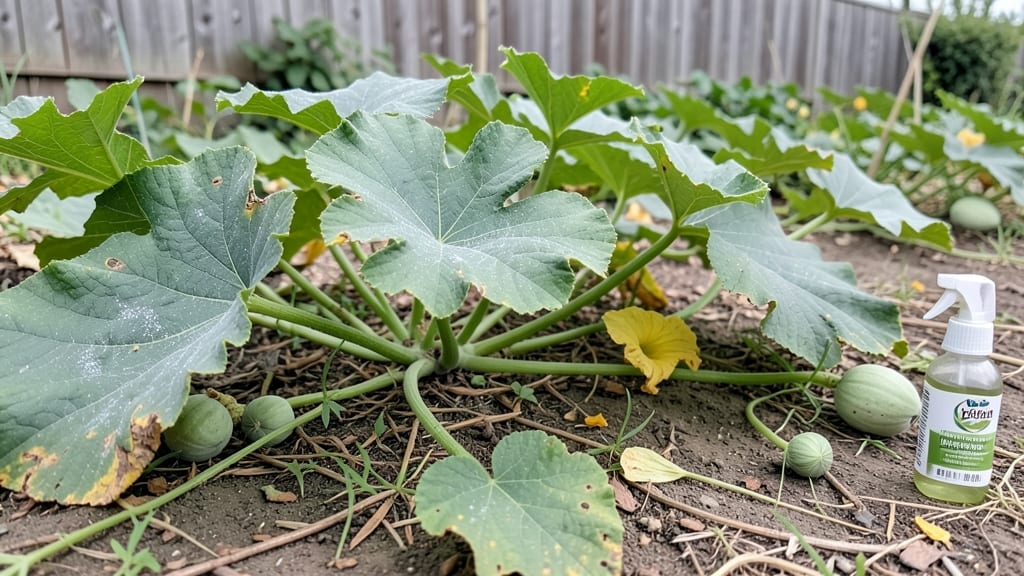
Powdery mildew on squash plants turns leaves into dusty white sheets faster than you can say "harvest failure." 🌱 I’ve lost entire vines to this stubborn fungus, but these three steps—spray, space, and strengthen—will save your plants without harsh chemicals.
The key? Act fast before the mildew spreads to the fruit.
First, you’ll need a baking soda spray (1 teaspoon baking soda, 1 quart water, a drop of dish soap) or neem oil for organic control. Spray the undersides of leaves where mildew loves to hide, and repeat every 5-7 days until new growth appears.
Pair this with better airflow—prune crowded vines and space plants 3-4 feet apart to let sunlight dry leaves faster. That’s where mildew hates to stick around.
You’ll see cleaner leaves within a week, and stronger plants that resist future outbreaks. The trick is prevention: plant disease-resistant varieties like ‘Defender’ squash, water at the base (not overhead), and rotate crops yearly.
Once your plants bounce back, they’ll produce heavier, healthier fruit—no more sad, spotted squash.
For bad cases, repeat treatments and consider a reflective mulch (aluminum foil or white plastic) to bounce light onto leaves. But honestly? Most gardens recover with the first two steps—just don’t wait until the whole plant looks like it’s been dusted with flour. Your next harvest depends on it.
Root Causes of Mildew Outbreaks
Powdery mildew isn’t just a random nuisance—it thrives because of specific conditions that give it the upper hand over your squash plants. Understanding these triggers is the first step to stopping the spread.
Let’s break down the real culprits behind this fungal foe, so you can outsmart it before it takes hold.
Powdery mildew (Erysiphe cichoracearum or Podosphaera xanthii) is a fungus, and like all fungi, it adores moisture. Here’s why humidity turns your squash leaves into its all-you-can-eat buffet:
- Stagnant Air = Fungal Feast: High humidity (above 75%) creates a damp, sticky environment where fungal spores germinate and spread.
Think of it like a fungal sauna—perfect for growth but terrible for your plants. - Morning Dew & Overhead Watering: When water droplets linger on leaves (especially lower leaves where air circulates poorly), spores land, cling, and colonize.
Overhead irrigation? That’s like giving the fungus a free ride straight to your plant’s skin. - Poor Airflow: Crowded squash plants or dense vines trap moisture, creating microclimates where mildew spreads unchecked. If your garden feels like a jungle, the fungus will thrive.
Actionable Insight: Aim for 60-70% humidity during the day and good airflow (prune vines, space plants 3-4 feet apart). If humidity spikes, open vents or use fans to dry leaves faster.
A healthy squash plant is like a fortress—strong, resilient, and hard to breach. But when plants are stressed, their defenses drop, and mildew moves in like an unwelcome houseguest.
- Nutrient Deficiencies: Lack of phosphorus (P) or potassium (K) weakens cell walls, making them easier targets.
A quick soil test can reveal if your plants are starving for key nutrients. - Overcrowding: When plants compete for sunlight, water, and nutrients, they grow slow and stressed, leaving them vulnerable.
Squash needs space to breathe—think of it as their personal bubble. - Physical Damage: Bug bites, hail, or even rough handling can create entry points for spores. Once the fungus gets in, it spreads like wildfire.
Actionable Insight: Side-dress with compost (rich in P and K) and prune crowded vines to improve airflow. A balanced fertilizer (like 5-5-5) can give your plants a fighting chance.
Powdery mildew spores are tiny, lightweight, and persistent.
They can: - Hitchhike on wind, tools, or even your shoes from last year’s infected plants. - Survive in soil or plant debris for months, waiting for the right conditions to strike. - Spread via water splashes (like rain or overhead watering) to new plants.
The Domino Effect: One infected plant can release thousands of spores per day, turning your garden into a mildew hotspot in days. That’s why early detection is critical.
Actionable Insight: Rotate crops (don’t plant squash in the same spot yearly) and clean up debris after harvest. If you spot mildew, isolate infected plants immediately to stop the spread.
Powdery mildew loves temperature swings. Here’s the perfect recipe for an outbreak:
- Days: Warm (70–85°F) and sunny (ideal for plant growth… and fungus).
- Nights: Cool (55–65°F) with high humidity (the fungus’s growth sweet spot).
This diurnal temperature shift signals the fungus to switch from dormant spores to active, spreading hyphae (thread-like structures that smother leaves).
Actionable Insight: Mulch heavily to stabilize soil temps and water deeply in the morning (not at night) to reduce evening humidity. If possible, choose mildew-resistant varieties (like ‘Butternut’ or ‘Delicata’ squash).
Waterlogged soil doesn’t just drown roots—it creates the perfect breeding ground for mildew spores.
Here’s how: - Saturated soil keeps humidity consistently high, even after watering. - Root stress from poor drainage weakens plants, making them more susceptible to infection. - Splashback from heavy rain or overwatering launches spores onto leaves.
Actionable Insight: Amend soil with compost to improve drainage and raise beds if your garden holds water. Drip irrigation (instead of overhead) keeps leaves dry and soil moisture even.
Squash, zucchini, and pumpkins are especially prone to powdery mildew because:
- Large, hairy leaves trap moisture and spores like a fungal magnet.
- Fast growth can outpace natural defenses, leaving plants exposed longer.
- Vining habit means leaves often drag on damp soil, picking up spores.
The Bottom Line: Mildew doesn’t happen by accident—it’s a perfect storm of moisture, warmth, and weak defenses. But now that you know the why, you’re armed to flip the script and protect your squash! 🚀
Quick Fixes for Powdery Mildew
Powdery mildew may look like a lost battle, but with the right approach, you can reverse the damage and protect your squash plants—without harsh chemicals. Below, we’ve matched common causes to practical, fungicide-free solutions, plus prevention tips to keep your garden thriving.
Powdery mildew thrives in stagnant, humid air, so the first step is to break up the cozy conditions for spores.
How to Fix It:
- 🔪 Prune aggressively – Remove yellow or heavily infected leaves (wear gloves!) and thin out foliage to allow sunlight and airflow. Aim for 3–4 inches of space between plants.
- 🌿 Space out new plants – If replanting, give squash 3–4 feet of clearance (check your variety’s needs).
- 💨 Use a fan – Place a small, low-speed fan (like a PC cooling fan) near the plants for 10–15 minutes daily to dry leaves faster.
💡 Pro Tip: If your garden is shaded, trim nearby trees or structures to let in more sunlight—powdery mildew hates UV rays!
Morning dew, overhead watering, and soggy soil create the perfect mildew buffet. Adjust your watering habits immediately.
How to Fix It:
- ⏰ Water at the right time – Early morning (before 9 AM) is best. Avoid evening watering, which keeps leaves damp overnight.
- 💦 Use the "soaker hose" method – Instead of spraying leaves, water at the base of the plant. A soaker hose or drip irrigation delivers moisture directly to roots.
- ✂️ Remove wet mulch – If mulch is keeping soil too damp, pull it back 6–12 inches from the stem and let the soil dry out.
🌡️ Pro Tip: If humidity is extreme (like in greenhouses), open vents or use a dehumidifier to keep air moving.
Stressed squash (from nutrient deficiencies, pests, or poor soil) are easier targets for mildew. Strengthen them to fight back naturally.
How to Fix It:
- 📊 Feed with compost or fish emulsion – Mix 1–2 tablespoons of compost tea or fish emulsion (1 tbsp/gallon) into water and foliar spray lightly (avoid soaking leaves).
- 💪 Add mulch for nutrients – Spread straw or grass clippings around the base (not touching leaves) to replenish soil and retain moisture.
- 🐞 Check for pests – Spider mites and aphids weaken plants—blast them off with neem oil spray or soapy water (1 tsp mild soap + 1 quart water).
✨ Pro Tip: Silica-rich sprays (like liquid kelp or horsetail tea) harden plant cell walls, making them more resistant to fungi.
If mildew has already taken hold, act fast with these effective, plant-safe sprays. Apply every 5–7 days until the problem clears.
| Solution | How to Use | Best For |
|---|---|---|
| 🍋 Baking Soda Spray | 1 tsp baking soda + 1 quart water + a few drops of dish soap (as a surfactant). Spray undersides of leaves. | Early-stage mildew, prevention |
| 🌿 Neem Oil Spray | 1 tbsp neem oil + 1 tsp mild soap + 1 quart water. Shake well and spray at dusk. | Severe infections, fungal prevention |
| 🥛 Milk Spray | 1 part milk (skim or whole) + 9 parts water. Spray directly on leaves. | Fast-acting, organic option |
| 🌿 Copper Fungicide (OPC) | Mix 1 tbsp copper sulfate in 1 gallon water (follow label for strength). Use sparingly—can burn leaves. | Last-resort for stubborn cases |
⚠️ Important: Always test sprays on a small leaf first and avoid spraying in direct sunlight (can cause leaf burn).
Once your squash plants recover, keep mildew at bay with these long-term strategies:
- 🌱 Choose resistant varieties – Look for powdery mildew-resistant squash like ‘Butternut,’ ‘Delicata,’ or ‘Warty Squash.’
- 🌿 Plant companion crops – Marigolds, garlic, or basil near squash repel fungi and pests.
- 🔄 Rotate crops – Avoid planting cucurbits (squash, cucumbers, melons) in the same spot yearly to break fungal cycles.
- 🧹 Clean up debris – Remove all plant waste (leaves, vines) at season’s end to starve mildew spores.
Final Thought: Powdery mildew may seem stubborn, but with better airflow, smarter watering, and a few natural sprays, your squash can bounce back stronger. Act fast, stay consistent, and next season will be mildew-free! 🚀
Frequently asked questions about powdery mildew on squash
Why does powdery mildew appear white and fluffy?
The white, powdery texture comes from fungal spores and thread-like structures called hyphae that grow on leaf surfaces. These structures trap moisture and spread rapidly in humid conditions, creating that signature dusty appearance. It’s not actually powder—it’s a living fungal network smothering your plants!
Can I still harvest squash if the leaves have mildew?
Yes, but focus on harvesting fruit from healthy, unaffected vines. The fungus primarily attacks leaves, not the edible fruit. Remove infected leaves to redirect the plant’s energy to producing squash. Just wash fruits thoroughly before eating to remove any spores that might cling to the skin.
How often should I spray baking soda solution?
Spray every 5-7 days until you see new growth without mildew. For prevention, reduce to every 2 weeks during humid months. Always use fresh solution—old baking soda loses effectiveness. Mix 1 teaspoon baking soda + 1 quart water + a drop of dish soap each time for best results.
Will neem oil harm beneficial insects like bees?
Neem oil is generally safe for bees when used correctly, but apply it at dusk when pollinators are less active. Avoid spraying directly on flowers where bees might be present. For extra protection, choose cold-pressed neem oil which is less toxic than refined versions. Always follow label instructions for concentration.
What if my squash plants are already severely infected?
For advanced cases, combine treatments: prune all infected leaves immediately, apply neem oil or copper fungicide, and improve airflow. If over 50% of the plant is affected, consider removing it entirely to prevent spread. Strengthen remaining plants with compost tea and silica sprays to boost resilience.