
Companion Plants
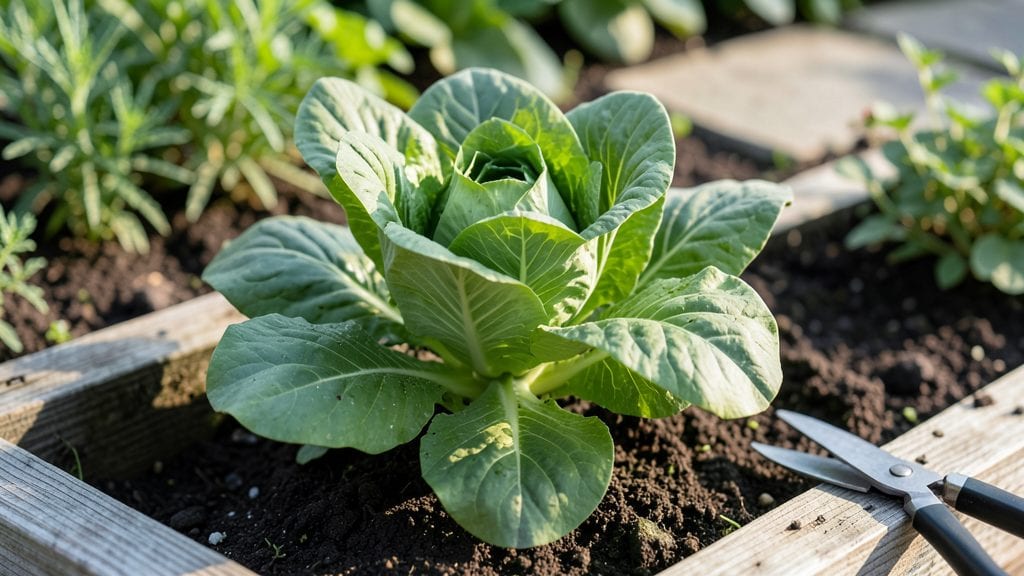
The beginner garden plants I chose were marigolds and basil—two tough little warriors that taught me everything I needed to know about growing. 🌿 They thrive in poor soil, fend off pests, and barely need watering once established, which is exactly what beginners need.
The smell of crushed marigold petters alone keeps aphids away, while basil grows so fast you’ll pinch it back just to keep it productive.
Start with these five foolproof picks: marigolds (sunny spots, drought-tolerant), cherry tomatoes (containers or beds, water twice weekly), lettuce (shade-tolerant, keep soil moist), thyme (drought-proof ground cover), and nasturtiums (edible flowers that repel squash bugs).
All handle neglect better than I do—honestly—and their pest-repelling powers mean fewer chemicals and more time enjoying your harvest.
By midseason, you’ll have a garden that looks lush without much effort. The marigolds will be blooming nonstop, the basil will be begging for your pesto recipes, and your tomatoes will be producing fruit so fast you’ll wonder why you ever bought store-bought.
The best part? These plants work together—plant them near each other, and you’ll spend more time admiring your garden than fixing it.
Works in containers, raised beds, or in-ground plots—no fancy tools required. Grab some seeds, a small trowel, and a watering can, and you’re ready to grow. Here’s how to keep them thriving all season long.
📚 In This Guide
- What you need
- Instructions
- Tips and common mistakes
- Wrapping up and next steps
What you need
- ● Seeds or Seedlings: Choose from our top picks (e.g., marigolds, basil, lavender, nasturtiums, or mint). Start with 3–5 plants to test your green thumb!
- ● Potting Soil: A 5–10 gallon bag of high-quality, well-draining potting mix (look for "organic" or "compost blend" labels).
- ● Containers or Garden Beds: Containers: 1–2 5–10 gallon pots with drainage holes (terracotta or plastic).
- ○ Garden Beds: A 4’x4’ raised bed or in-ground plot (optional but ideal for larger setups).
- ● Watering Can or Hose: A 1–2 gallon can with a gentle spray nozzle or a hose with adjustable settings.
- ● Gloves & Hand Trowel: A pair of gardening gloves (cotton or nitrile) and a small hand trowel for planting.
- ● Mulch: 1–2 bags of organic mulch (straw, shredded leaves, or wood chips) to retain moisture and deter weeds.
- ● Fertilizer: A balanced, slow-release fertilizer (e.g., 10-10-10 or compost tea) to boost growth.
- ● Pest Control: Neem oil (16 oz spray bottle) or insecticidal soap for organic pest management.
- ● Support Structures: Small stakes or cages for plants like nasturtiums or basil (if they grow tall).
- ● Pruners: A pair of bypass pruners for trimming and harvesting.
- ● Sunlight Meter: A light meter app (free!) to check your garden’s sun exposure.
Step-by-step guide to planting low-maintenance beginner garden plants
Here’s how to choose and establish four resilient plants that deter pests while requiring minimal effort.
🌱 Step 1: Select and Prepare Your Planting Sites
Pick four plants from this list: marigolds, basil, nasturtiums, and lavender. Each thrives in full sun (6+ hours daily) and well-draining soil. Clear any weeds or debris from the area and loosen the top 6 inches of soil with a garden fork to help roots establish.
I like to sketch a simple layout first—place marigolds and nasturtiums near the edges of your garden to act as natural pest barriers. Lavender and basil can go closer to pathways where you’ll enjoy their fragrance and flavors. Avoid planting in low spots where water pools, as these plants hate soggy roots.
💧 Step 2: Plant with Proper Spacing and Watering
Dig holes for each plant that are twice as wide as the root ball but only as deep as the container they came in. Gently remove plants from their pots and place them in the holes, filling around the roots with soil until they’re at the same level as they were in the pot. Press the soil lightly to remove air pockets.
Water each plant deeply right after planting—about 1 gallon per plant—to help settle the soil and encourage root growth. You’ll know you’ve watered enough when the soil feels moist 2-3 inches down. Mulch around the base with 1-2 inches of organic mulch to retain moisture and suppress weeds.
☀️ Step 3: Maintain Light and Water Consistently
These plants need full sun, so avoid moving them to shadier spots once established. Water 1-2 times per week in the first month, checking the soil before watering—it’s time when the top 1 inch feels dry. After that, they’ll need less frequent watering as their roots grow deeper.
Watch for pests like aphids or spider mites. If you spot them, a strong spray of water usually does the trick. Marigolds and nasturtiums release natural scents that deter many common garden pests, so you’ll see fewer problems than with other plants. Harvest basil leaves regularly to encourage bushier growth.
✂️ Step 4: Prune and Harvest for Healthy Growth
Pinch back the tips of basil and marigolds when they reach 6 inches tall to encourage fuller growth. Snip off flowers from nasturtiums if you want more leaves instead of blooms. Lavender needs minimal pruning—just trim back any woody stems in early spring to keep it compact.
Harvest basil leaves as needed, but don’t take more than ⅓ of the plant at once. This keeps the plant producing new growth. For nasturtiums, pick flowers regularly to encourage more blooms. You’ll notice these plants reward low maintenance with vibrant colors and strong growth all season long.
Tips & tricks for perfect beginner garden plants
These simple strategies will help your low-maintenance garden thrive with minimal effort and maximum pest protection.
Soil Prep Matters: Before planting, mix a handful of compost into the loosened top 6 inches of soil for each hole. This boosts nutrient content and helps roots establish faster. I like to use a mix of garden soil and compost—about 1 part compost to 3 parts soil. This gives your plants a nutrient-rich start without overwhelming them.
Plant Layout Strategy: Place marigolds and nasturtiums near the edges of your garden beds—they act as natural pest barriers that keep insects away from your other plants. Basil and lavender can go closer to pathways where you'll enjoy their fragrance and culinary uses. This arrangement creates a protective perimeter while maximizing your enjoyment of the plants.
Watering Wisdom: The 1 gallon per plant initial watering is crucial—it helps settle the soil and encourages deep root growth. After that, stick to the 1-2 times per week schedule in the first month, but always check the top 1 inch of soil first. Morning watering prevents evaporation and fungal issues, giving your plants the best start.
Harvesting Techniques: When harvesting basil, always take leaves from the top of the plant first. This encourages new growth from the lower stems. For nasturtiums, pick flowers regularly to promote more blooms—just snip them off at the base. With lavender, wait until the plant is fully established before harvesting stems for potpourri or cooking.
Pro Tips for Beginner Garden Plants
- These simple strategies will help your low-maintenance garden thrive with minimal effort and maximum pest protection.
- Soil Prep Matters: Before planting, mix a handful of compost into the loosened top 6 inches of soil for each hole.
- Plant Layout Strategy: Place marigolds and nasturtiums near the edges of your garden beds—they act as natural pest barriers that keep insects away from your other plants.
Frequently asked questions
Got questions about starting your beginner garden?
You’re not alone! Here are answers to the most common concerns—so you can grow with confidence and keep pests at bay naturally.
What are the easiest plants for a beginner gardener?
Start with marigolds, basil, nasturtiums, or mint—they’re hardy, fast-growing, and repel pests like aphids or mosquitoes. Herbs like thyme or oregano also thrive with minimal fuss. Pro tip: Choose plants labeled "beginner-friendly" or "disease-resistant" for extra peace of mind!
When is the best time to plant these beginner-friendly garden plants?
Timing depends on your climate! For most regions, spring (after the last frost) is ideal for warm-season plants (like basil or marigolds), while cool-season crops (e.g., spinach) can go in early spring or fall. Check your local frost dates or plant after soil warms to 60°F (15°C) for best results.
How do these plants repel pests naturally?
Many beginner plants release natural compounds that deter pests:
- Marigolds emit a scent that confuses nematodes and repels aphids.
- Basil deters flies and mosquitoes with its strong aroma.
- Nasturtiums act as a trap for squash bugs and aphids.
How often should I water beginner garden plants?
Most low-maintenance plants prefer 1 inch (2.5 cm) of water per week, either from rain or you. Water deeply 2–3 times per week in dry spells, but avoid soggy soil (especially for herbs like mint). Morning watering reduces evaporation and fungal risks. Mulch helps retain moisture!
What if my beginner plants look sick or wilted?
Start with the basics:
- Check soil moisture—wilting often means thirst (or overwatering!).
- Inspect leaves for pests (like spider mites) or diseases (yellow spots = fungus).
- Trim damaged foliage and adjust sunlight—some plants (e.g., basil) need 6+ hours of sun.
Can I grow these plants in containers instead of a garden bed?
Many beginner plants (like basil, mint, or nasturtiums) thrive in pots with drainage holes and well-draining soil. Use containers at least 6 inches deep for herbs or 12+ inches for marigolds. Just ensure they get enough sunlight—containers dry out faster than garden beds!
Wrapping up and next steps
Starting your gardening journey with low-maintenance, pest-repelling plants is a fantastic way to build confidence and enjoy nature’s rewards! 🌱 From hardy herbs like basil and marigolds to resilient veggies such as peppers and green beans, these picks make caring for your garden feel effortless while keeping pests at bay.
Remember, the key is to start small, stay consistent, and let your green thumb grow with each season.
Ready to dive in? Your next step: Pick one or two plants from this list, grab your supplies, and plant them this weekend! Track your progress, experiment with pairings, and soon you’ll be sharing your thriving, pest-free garden with pride. Happy growing! 🌿✨