
Pruning
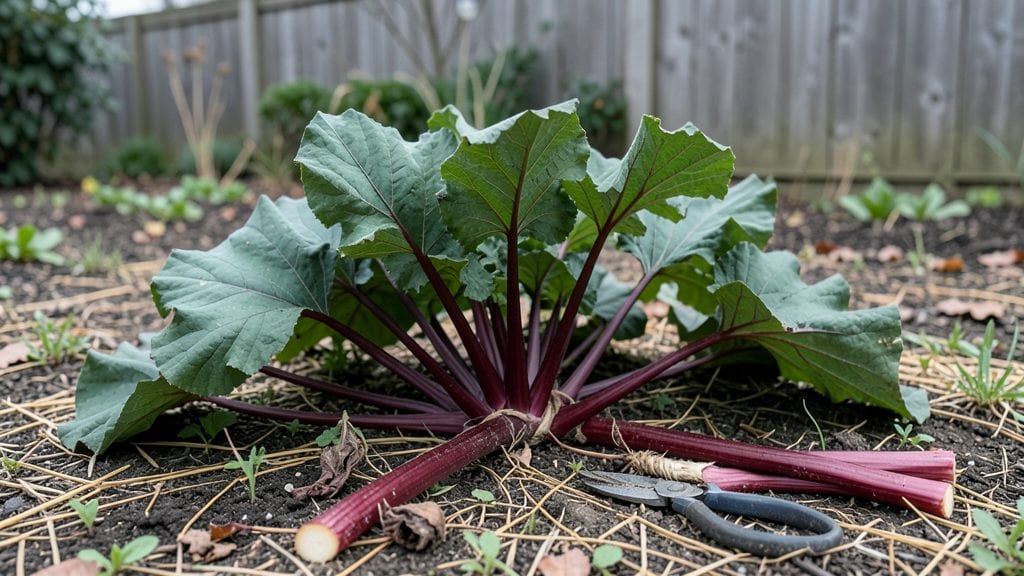
Cutting back rhubarb plants in late fall sets the stage for a bigger, healthier harvest next spring—skipping this step can leave your crown vulnerable to frost and disease.
If you’ve ever watched your rhubarb stalks wilt under a late-season freeze or struggled with weak growth the following year, you’re not alone. The key is timing: prune too early, and you stunt new shoots; too late, and frost damage weakens the roots.
But there’s a sweet spot—and it’s not what most gardeners think.
In USDA Zone 6a, where frost arrives around mid-October, the best window is after the leaves yellow but before hard freezes hit. This 2-3 week period gives your plant time to harden off while protecting the crown from winter damage.
Below, I’ll walk you through the exact steps—plus what to avoid if you miss the cutoff.
Ready to boost next year’s yield? Let’s dive into the right way to trim your rhubarb so it thrives through winter and beyond.
The best time to cut back rhubarb plants for optimal growth
Timing your rhubarb pruning is critical for next year’s harvest. Cutting too early can stunt root development, while waiting too long risks frost damage or fungal growth.
The ideal window is late fall—after leaves naturally drop but before the first hard frost. This balance ensures your rhubarb enters dormancy strong and healthy.
Most gardeners in USDA Zones 3-7 should prune between mid-October and November, adjusting for local frost dates. For example, in Zone 5, aim for late October, while Zone 7 gardeners can wait until early November.
Always check your local frost forecast to avoid cutting too close to freezing temperatures.
Here’s why late fall pruning works best: After leaves fall, the plant redirects energy to root storage, preparing for winter. Cutting then removes dead foliage while leaving the crown intact, protecting the plant’s heart.
If you prune too early, you risk exposing the crown to cold snaps, which can kill tender growth.
Regional climates play a huge role. In cooler northern states, prioritize pruning before the first frost, even if leaves linger. In warmer southern zones, you might extend the window until December, but avoid cutting after prolonged cold snaps, which can stress the plant.
Never cut rhubarb in spring—this is a common mistake that harms future harvests. Spring pruning removes stored energy the plant needs to produce new stalks. Instead, wait until late fall to encourage strong root systems and maximize next year’s yield.
Root health is the key benefit of late-fall pruning. By removing dead leaves, you reduce disease risk and improve airflow around the rhubarb crown. This also makes it easier to spot pests or fungal issues before winter sets in. A well-pruned rhubarb plant will rebound faster in spring.
If you miss the late-fall window, don’t panic—but act quickly. Prune as soon as possible after frost, even if it’s winter. Just avoid cutting during active frost periods, as cold temperatures can damage the crown.
In extreme cases, wait until early spring, but be prepared for a smaller harvest that year.
Here’s a quick regional guide to help you time it right:
- Zone 3-4: Prune by mid-October (first frost often arrives by late September).
- Zone 5-6: Aim for late October to early November.
- Zone 7-8: Wait until early to mid-November.
- Zone 9+: Prune in December or early January to avoid winter rains.
After pruning, mulch heavily around the base with straw or leaves to insulate the crown. This protects against temperature fluctuations and keeps moisture levels stable. Avoid organic mulches like grass clippings, which can attract slugs or rot.
Watch for signs of stress after pruning, like yellowing leaves or wilted stalks. These could indicate over-pruning or root damage. If you see these, reduce watering slightly and monitor the plant until spring. With the right timing, your rhubarb will thrive for years.
🌱
| Pruning Stage | Action | Key Considerations |
|---|---|---|
| Late Fall (After Leaf Drop) | Remove all dead leaves and stalks | Before first hard frost; leaves should be brown/dry |
| USDA Zone 3-4 | Prune by mid-October | Frost often arrives by late September |
| USDA Zone 5-6 | Prune in late October | Ideal window: after leaf drop |
| USDA Zone 7-8 | Prune in early November | Wait until after first frost |
| Zone 9+ (Warmer Climates) | Prune in December-January | Avoid winter rains; mulch heavily |
| Post-Pruning Care | Apply 3-4 inches mulch |
Step-by-step guide: how to prune rhubarb correctly in fallPruning your rhubarb plants in late fall is crucial for their winter survival and next year’s harvest potential. The goal is to remove dead foliage while protecting the crown from frost damage. If you skip this step or do it incorrectly, your rhubarb may struggle to rebound in spring. I’ve pruned my own rhubarb for years, and I’ll share exactly how I prepare mine for dormancy—plus what to do with all those cuttings! Before you grab your pruners, gather a few essentials: sharp pruning shears, gloves, a bucket for debris, and a mulch blanket (straw or shredded leaves work well). The key is to work on a dry, frost-free day when temperatures are above 40°F (4°C). Now, let’s get started with the step-by-step process. Step-by-Step Fall Pruning for Rhubarb
After pruning, resist the urge to fertilize—your rhubarb is entering dormancy and doesn’t need nutrients until early spring. Instead, focus on protecting the crown from heavy frost or thaw cycles, which can cause root damage. In my garden, I’ve found that adding an extra layer of mulch in extreme winters (below 20°F/-7°C) gives my rhubarb a head start in spring. One common mistake I see is cutting too aggressively—some gardeners trim all the way to the soil level, which exposes the crown to cold. Leave those 2 inches of stalk to shield the crown. Also, avoid pruning in wet conditions, as this can spread fungal spores across your garden. Always work when the ground is dry and firm. By following these steps, your rhubarb will wake up in spring stronger and ready to produce those juicy stalks you love. Just imagine the pie-making potential next summer—all thanks to a little fall prep! 🌱 |