Pruning
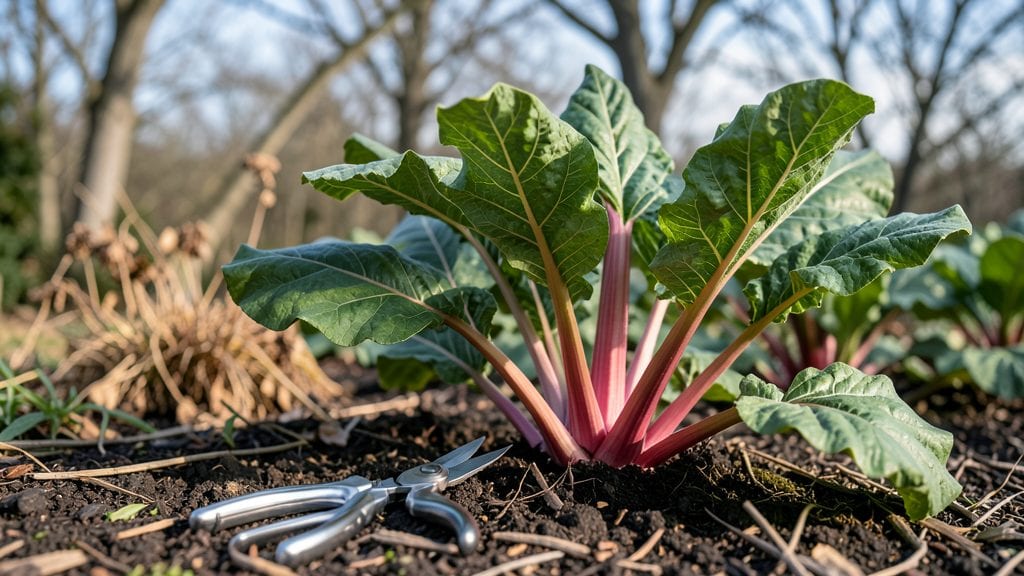
Trimming rhubarb plants the right way turns scraggly stalks into thick, sweet harvests year after year. I learned this the hard way—my first few years of gardening left me with skinny, bitter stalks because I didn’t understand when or how to cut.
The secret isn’t just snipping leaves; it’s knowing the exact timing and technique to protect the crown while encouraging bigger growth.
You’ll need sharp pruners (or clean scissors) and a clear morning after harvest to work. Cut stalks at the base where they meet the crown, leaving the leaves intact unless they’re yellow or diseased.
This might sound counterintuitive—after all, why not remove everything?—but those leaves photosynthesize energy back into the plant for next year’s stalks. A 30-minute session in early spring or after harvest is all it takes to set your rhubarb up for a bountiful season.
The payoff is worth the effort: stalks grow 2-3 times thicker when you trim correctly, and the plant lives for decades with proper care. Imagine pulling stalks as thick as your forearm by June—no more hunting for a handful of thin ones.
The key is consistency: skip the trimming, and you’ll end up with a tangled mess of small stalks and wasted energy.
This method works for both new and established rhubarb plants, whether you’re growing in full sun or partial shade. Once you master the timing and technique, you’ll wonder why you ever struggled with rhubarb before. Let’s get those stalks growing strong!
📚 In This Guide
- What you need
- Instructions
- Tips and common mistakes
- Wrapping up and next steps
What you need
- ● Pruning shears or secateurs: Sharp, clean, and disinfected (rubbing alcohol or bleach solution works). Choose bypass pruners (not anvil-type) for cleaner cuts.
- ● Gloves: Heavy-duty gardening gloves to protect your hands from thorns and rough stalks.
- ○ Garden twine or plant ties: (Optional but helpful) To secure large stalks or support new growth after trimming.
- ● Compost bin or bucket: To collect trimmed stalks for composting (they break down quickly!).
- ● Watering can or hose: To rehydrate the plant post-trimming if the soil feels dry.
- ● Hand sanitizer or soap: For cleaning hands after handling thorny stalks.
- ● Plant food (balanced fertilizer): A light dose of 10-10-10 or compost tea to give your rhubarb a post-trim boost.
- ● Label markers: If you’re trimming multiple varieties, label your plants to avoid confusion later.
- ● Knee pad or small stool: For comfort if your rhubarb patch is sprawling!
Instructions for trimming rhubarb plants
Here's how to keep your rhubarb vigorous and productive all season with simple, effective trimming.
Identify and Remove Dead or Weak Stalks First
Start by inspecting your rhubarb crown in early spring, just as new growth begins. Look for stalks that are shriveled, mushy, or discolored—these won’t produce quality harvests and can harbor disease. I always pull these out by hand, giving the plant a clean start. Healthy stalks should be firm, upright, and a vibrant green or red-purple color.
Don’t cut these out—remove them entirely at the base. This prevents spreading any potential rot or pests to the rest of the plant. If you’re unsure whether a stalk is dead, gently squeeze it. If it feels soft or hollow, it’s time to discard it. Healthy stalks will have a crisp, solid feel.
Cut Stalks at the Right Time and Height
The best time to harvest is when stalks reach 8-12 inches tall and are at least ½ inch thick. Use a sharp knife or pruning shears to cut them at the base, leaving the leaf attached. The leaf acts as a food factory, so never remove it—this ensures the stalk regrows quickly and stays productive.
Always cut 2-3 inches above the crown (the thick, fleshy base where the stalks emerge). This prevents damaging the plant’s energy reserve. If you cut too close, you risk exposing the crown to rot or pests. I like to harvest in the morning when stalks are crisp and full of moisture—this gives me the best flavor and texture.
Space Out Harvests for Continuous Growth
Never take more than one-third of the stalks at a time. For a mature rhubarb plant, that’s usually about 4-6 stalks in a single harvest. Spacing out cuts encourages the plant to produce more stalks over time. If you harvest too aggressively, the plant will struggle to recover, and future harvests will be smaller.
Wait 3-4 weeks between harvests to allow the plant to regenerate. You’ll know it’s ready for another round when new stalks emerge from the center of the crown. I mark my calendar to remind myself—rhubarb plants thrive on consistency, and over-harvesting leads to weak growth the following year.
Clean Up and Prepare for Future Growth
After your final harvest of the season (usually in late summer), remove all remaining stalks at the base. This clears space for next year’s growth and reduces the risk of disease overwintering. Leave the leaves attached until they naturally yellow and die back—this protects the crown from cold snaps.
Mulch the base with 2-3 inches of straw or shredded leaves to insulate the crown through winter. This helps regulate soil temperature and keeps moisture levels steady. In early spring, remove the mulch and repeat the process. Over time, you’ll notice your rhubarb plants reward you with thicker, sweeter stalks year after year.
Monitor for Signs of Stress or Disease
If stalks develop yellowing leaves, blackened tips, or unusual spots, stop harvesting immediately. These could be signs of crown rot, rust, or other fungal issues. Remove affected stalks and dispose of them in the trash—not the compost—to prevent spreading disease.
Healthy rhubarb should have bright green or deep red-purple stalks with no signs of wilting. If you notice pests like aphids or slugs, address them promptly with organic sprays or barriers. A well-maintained rhubarb patch can produce for decades, so a little care now saves big headaches later.
Tips & tricks for perfect rhubarb trimming
A few simple strategies will help you maximize your rhubarb harvest while keeping your plants healthy and productive for years to come.
Harvest Timing Matters: The 8-12 inch height guideline in Step 2 is crucial because that's when stalks have fully developed their sweetness and structure. Harvesting too early means smaller, less flavorful stalks, while waiting too long can make them tough and fibrous. I've found that morning harvests yield the crispest stalks because they're fully hydrated from overnight dew. This timing also gives the plant plenty of daylight to recover before nightfall.
Crown Protection is Key: In Step 2, when cutting 2-3 inches above the crown, you're actually protecting the plant's energy reserve. The crown contains the plant's stored nutrients, and cutting too close can expose it to rot or pests. I've seen firsthand how plants with damaged crowns produce fewer stalks the following year. Always use a sharp knife to make clean cuts that heal quickly.
Seasonal Cleanup Strategy: The final cleanup in Step 4 is more important than most gardeners realize. Removing all stalks by late summer prevents disease buildup in the crown over winter. I've noticed that plants I've thoroughly cleaned up consistently produce larger stalks the following spring. The 2-3 inches of mulch creates a protective barrier that regulates soil temperature perfectly during winter's cold snaps.
Visual Cues for Healthy Growth: Pay attention to the color indicators in Step 5 - bright green or deep red-purple stalks are your goal. Yellowing leaves or blackened tips are clear warning signs that something's wrong. I've learned to trust my eyes more than the calendar when it comes to harvest timing. If stalks are growing slowly or look weak, it's better to wait than to harvest too aggressively.
Pro Tips for Trim Rhubarb Plants
- A few simple strategies will help you maximize your rhubarb harvest while keeping your plants healthy and productive for years to come.
- Harvest Timing Matters: The 8-12 inch height guideline in Step 2 is crucial because that's when stalks have fully developed their sweetness and structure.
- Crown Protection is Key: In Step 2, when cutting 2-3 inches above the crown, you're actually protecting the plant's energy reserve.
Frequently asked questions
Got questions about trimming rhubarb plants?
Here are answers to the most common ones to help you keep your garden thriving!
When is the best time to trim rhubarb plants?
Trim rhubarb after harvesting stalks in early spring. Avoid cutting in late summer or fall—this can encourage new growth that won’t harden off before winter. Focus on trimming dead or diseased leaves and thinning crowded stalks after the harvest season (May–June).
How much of the rhubarb plant can I cut back?
Never cut more than 1/3 of the stalks in a single season. For mature plants, trim back only the oldest, largest leaves (the ones closest to the ground) to encourage new growth. Avoid pruning the center crown—this is where next year’s stalks emerge!
What should I do if my rhubarb plant looks leggy or sparse?
Leggy or sparse growth often means overcrowding or poor light. Thin out 2–3 of the oldest stalks at the base to improve airflow. If space is tight, consider dividing the plant every 3–4 years to rejuvenate growth. Mulch with compost to boost nutrients!
Can I trim rhubarb in winter?
No—never prune in winter! Rhubarb is dormant, and cutting back too early can expose the crown to frost damage or rot. Wait until early spring (when new shoots emerge) to trim dead foliage. If you see moldy or blackened leaves in winter, remove them gently to prevent spread.
What if my rhubarb stalks are small or weak?
Small stalks often mean young plants (give them 2–3 years to mature) or nutrient deficiencies. Feed with balanced fertilizer (10-10-10) in early spring. Ensure the plant gets full sun (6+ hours/day) and well-draining soil. Avoid harvesting too aggressively the first year!
Wrapping up and next steps
Trimming your rhubarb plants is a simple yet powerful way to boost their health and harvest—and you’ve got all the know-how now! 🌱 By mastering the when (early spring or after harvest) and how (cutting 1/3 of stalks at the base), you’ll encourage thicker, more abundant stalks while keeping your plants thriving for years.
The key? Patience and precision!
Ready to put your new skills to work? Grab your pruners, head to the garden, and give your rhubarb the care it deserves. Before you know it, you’ll be reaping a bounty of plump, vibrant stalks—perfect for pies, compotes, or sharing with neighbors! Happy trimming! 🌟