
Pests
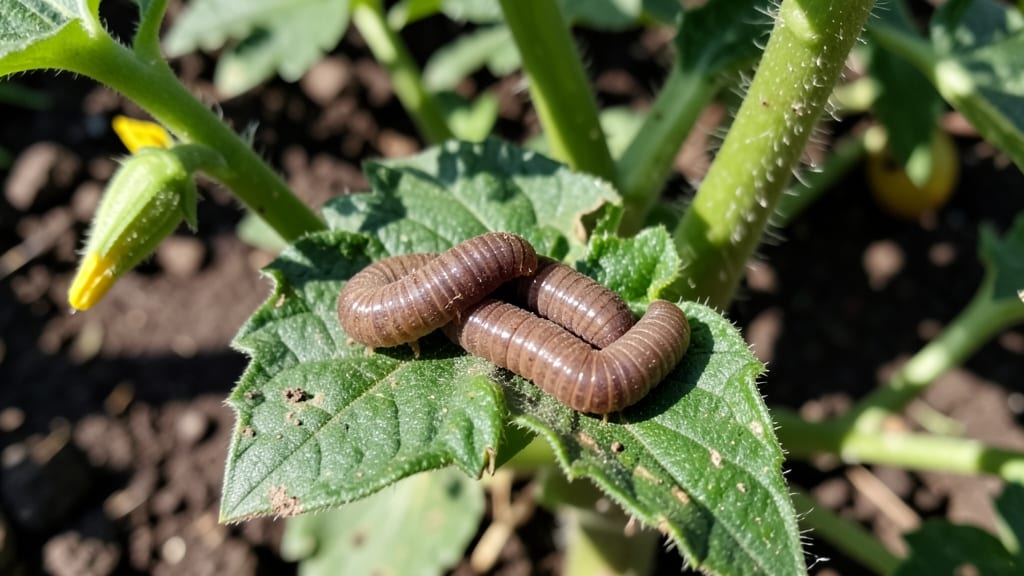
Brown worms on tomato plants are the last thing you want to see after months of nurturing your garden. 🌱 I’ve spent years watching these striped invaders devour my plants overnight, and I’ve learned the most effective ways to remove them without harming your harvest—or your sanity.
The good news? These pests are easier to handle than they seem.
Most brown worms you’ll spot are hornworms or cutworms, both of which love tomato leaves and fruit. They thrive in warm weather and can strip a plant bare in days if left unchecked.
The key is acting fast: manual removal, natural predators, and simple organic sprays can keep your plants healthy without chemicals.
By the end of this, you’ll know exactly how to pluck them off by hand, attract beneficial insects, and even use homemade sprays that work in just a few hours.
Your tomatoes will stay lush, your plants will keep growing strong, and you’ll never panic when you see those telltale brown bodies again.
Whether you’re dealing with a small infestation or a full-blown worm party, these methods work for any garden size. Let’s get those plants back to their full, worm-free glory—and keep your harvest safe for the table.
Root Causes of Tomato Worms
Discovering brown worms on your tomato plants can feel like a sudden attack on your hard work—but understanding the why behind these pests is the first step to reclaiming your garden.
These critters don’t just appear out of nowhere; they’re drawn to your tomatoes by a mix of environmental factors, plant health, and even your gardening habits. Let’s break down the most common reasons these unwanted guests show up in your garden.
Tomatoes are like a neon sign to many worm species, especially when they’re soft, overripe, or injured. Here’s why:
- Sugar and moisture: Ripe tomatoes are packed with natural sugars and water—perfect fuel for hungry larvae like Manduca sexta (tomato hornworms) or Helicoverpa zea (corn earworms). These pests use their keen sense of smell to locate sweet, decaying fruit.
- Physical damage: Cracks, bruises, or punctures from hail, birds, or even rough handling create entry points. Worms burrow in to lay eggs or feed, accelerating rot and inviting more pests.
- Fallen fruit: Tomatoes that drop to the ground (especially on the soil surface) become worm magnets. The warmth and humidity of the soil create an ideal incubator for egg-laying.
Actionable fix: Harvest tomatoes promptly and remove any fallen or damaged fruit daily. Consider using drop cloths under plants to collect strays and dispose of them far from the garden.
Most tomato worms start as tiny eggs hidden on the undersides of leaves or in plant crevices. Here’s how it happens:
- Moths: Adult tomato hornworms and fruitworms (like the tobacco budworm) lay eggs in clusters. These moths are nocturnal and drawn to flowering tomato plants, which emit scents that signal readiness to reproduce.
- Beetles: The colorado potato beetle and Mexican bean beetle also target tomatoes. Females chew notches in leaves to deposit eggs, ensuring the hatchlings have immediate access to food.
- Timing: Eggs hatch in 3–7 days under warm conditions (above 70°F/21°C), so outbreaks often coincide with hot, humid summers.
Actionable fix:
- Inspect leaves weekly, especially after dusk when moths are active. Look for tiny white or yellow eggs in groups.
- Use a flashlight at night to spot adult moths near lights—they’re attracted to them, making it easier to squish or trap them.
- Apply kaolin clay or neem oil as a barrier to deter egg-laying.
A cluttered or neglected garden is an open invitation for worms. Here’s how mess contributes:
- Debris buildup: Leaves, stems, and plant residues provide shelter for overwintering eggs and adult pests. Many worm species hibernate in garden litter and emerge when temperatures rise.
- Weeds and volunteers: Unwanted plants (like nightshade or wild tomatoes) can harbor pests that later migrate to your crop. Some worms, such as the tomato fruitworm, feed on a wide range of plants in the Solanaceae family.
- Compost piles: While composting is great, piles that get too hot or moist can accelerate pest life cycles. Some worms (like black cutworms) thrive in these conditions.
Actionable fix:
- Clear all plant debris from the garden bed after each harvest, especially stems and leaves.
- Mulch with straw or dry leaves instead of organic matter that stays damp.
- Rotate crops annually to disrupt pest life cycles—avoid planting tomatoes in the same spot for 3+ years.
Worms thrive in specific weather conditions. Here’s how climate plays a role:
- Heat (75–90°F / 24–32°C): Warmth accelerates egg hatching and larval growth. Many tomato worms complete their life cycle in 2–3 weeks during heatwaves, leading to rapid infestations.
- Humidity (above 60%): Moisture keeps eggs and young larvae hydrated. Heavy dew or afternoon thunderstorms can trigger outbreaks by creating ideal breeding conditions.
- Drought stress: Surprisingly, underwatered plants can also attract pests. Stressed tomatoes produce more sugars in their fruit, making them extra appealing to worms.
Actionable fix:
- Use drip irrigation or soaker hoses to keep soil consistently moist (but not soggy) during dry spells.
- Prune plants for better airflow, reducing humidity around foliage.
- Set up yellow sticky traps near plants to catch adult moths before they lay eggs.
By addressing these root causes, you’ll disrupt the worm life cycle and protect your tomato harvest naturally. The key is proactive monitoring—catch the problem early, and you’ll spend less time battling an infestation later!
Natural Fixes for Wormy Tomato Plants
Now that you know what’s munching on your tomatoes, let’s roll up our sleeves and tackle the problem—without reaching for harsh chemicals. Below are targeted solutions for each common culprit, along with prevention tips to keep your plants thriving.
Hornworms are the showstoppers—big, green, and hungry. But don’t let their size fool you; they’re easy to remove!
🍳 Step 1: Handpick the Invaders
- When? Early morning (they’re sluggish when cool).
- How? Wear gloves and pluck them off leaves or stems. Drop them into a bucket of soapy water—no mercy!
- Pro Tip: 💡 Check the underside of leaves and tomato blossoms (they love hiding there).
👨🍳 Step 2: Encourage Natural Predators
- Ladybugs, lacewings, and parasitic wasps (like Cotesia congregata) adore hornworms.
- Plant dill, fennel, or marigolds nearby to attract them.
- Avoid pesticides—they’ll kill the good guys too!
🥘 Step 3: Use Neem Oil (Gentle but Effective)
- Mix 1 tbsp neem oil + 1 tsp mild soap + 1 quart water.
- Spray evenly on leaves (avoid flowers to protect bees).
- Reapply every 5–7 days until hornworms disappear.
- ⚠️ Warning: Apply in early morning or late evening to avoid harming pollinators.
These brown, sneaky worms chew stems at night, toppling plants like dominoes.
🔪 Step 1: Collar Your Plants
- DIY Solution: Wrap the base of young tomato plants with a cardboard collar (bury 1–2 inches in soil).
- Alternative: Use aluminum foil (cutworms hate the texture).
- Why It Works: They can’t crawl up to feast!
⏰ Step 2: Flashlight Patrol at Dusk
- Shine a flashlight around the garden 1–2 hours after sunset.
- Look for: Small, curled-up worms near the soil.
- Squish or drop in soapy water—quick and satisfying!
🌡️ Step 3: Beer Traps (Yes, Really!)
- Bury a small cup or jar in the soil, filled with beer.
- Cutworms are drawn to the yeast and drown.
- Bonus: Works for slugs too!
These tiny brown larvae burrow into tomatoes, turning them into slimy, inedible messes.
🔍 Step 1: Inspect & Remove Infested Fruit
- Check tomatoes daily—look for tiny holes or frass (worm poop).
- Squish eggs (tiny white dots on leaves) with your fingers.
- Drop damaged fruit in a sealed bag (don’t compost—it spreads larvae).
🧪 Step 2: Diatomaceous Earth (Food-Grade Powder)
- Sprinkle food-grade DE around the base of plants and on leaves.
- How It Works: It dehydrates worms without harming plants.
- Reapply after rain (it loses effectiveness when wet).
🌿 Step 3: Row Covers & Trap Crops
- Floating row covers (lightweight fabric) block adult moths from laying eggs.
- Trap crop trick: Plant basil or marigolds nearby—moths prefer them over tomatoes!
Once you’ve kicked the worms out, lock them out with these long-term strategies:
✨ Rotate crops – Don’t plant tomatoes (or nightshades like peppers/eggplants) in the same spot two years in a row. 🌱 Healthy soil = strong plants – Add compost and mulch to boost plant resilience. 🐝 Support pollinators – Bees and birds keep pest populations in check. 🌙 Garden hygiene – Remove debris (worms love hiding in old leaves). 🕯️ Plant companion flowers – Marigolds, nasturtiums, and alyssum repel pests naturally.
Final Thought: With these natural, no-fuss methods, your tomato plants will bounce back faster than a hornworm on a hot griddle. 😉 Happy gardening!
Frequently asked questions
What do brown worms on tomato plants look like?
Most brown worms on tomatoes are either hornworms (large, green with white stripes) or cutworms (smooth, brown, and fuzzy). Hornworms grow up to 4 inches long, while cutworms are smaller (1–2 inches) and curl up when disturbed. Look for tiny white eggs clustered on leaf undersides too.
Are brown worms harmful to my tomato plants?
Absolutely—they destroy leaves, stems, and fruit overnight. Hornworms skeletonize foliage, while cutworms sever stems at soil level. Even small larvae inside tomatoes create slimy, inedible fruit. Act fast to prevent total plant collapse!
Can I eat tomatoes with worms inside?
Never! Worms inside tomatoes mean bacteria and contamination. Cut out any infested spots immediately, but discard heavily damaged fruit. Always inspect tomatoes before eating—especially organic ones where pesticides aren't an option.
How do I prevent brown worms next year?
Start with crop rotation (don't replant tomatoes in the same spot) and clean garden beds thoroughly. Use row covers early in the season, plant companion flowers like marigolds, and encourage natural predators with dill or fennel.
Will neem oil really work on brown worms?
Yes, but it needs proper application! Mix 1 tbsp neem oil + 1 tsp mild soap + 1 quart water and spray evenly on leaves (avoid flowers). Reapply every 5–7 days—it disrupts their feeding and growth. Best used as part of a multi-pronged approach.