
Planting
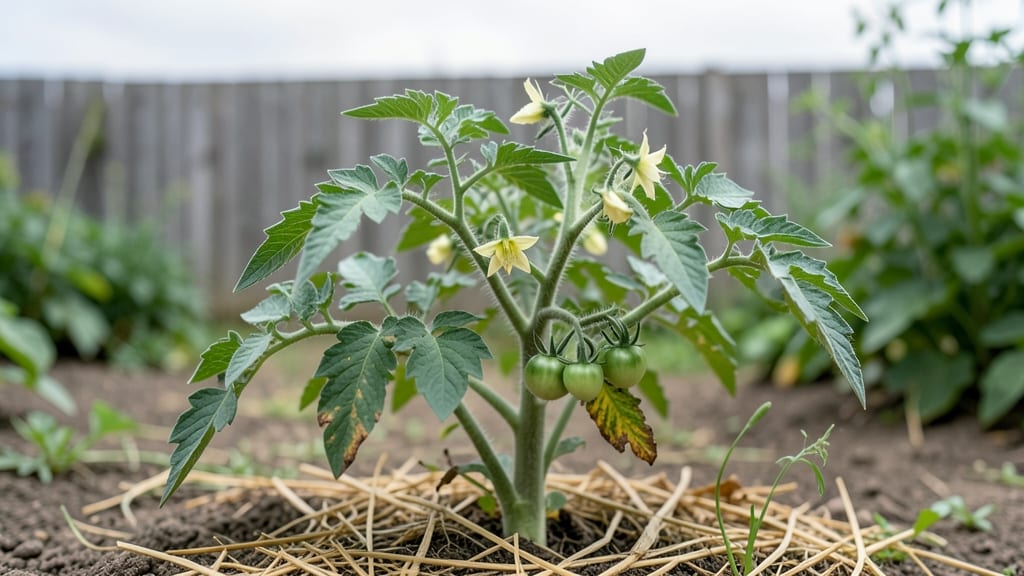
Those fuzzy hairs on your tomato plants might look harmless, but they could be a red flag for spider mites or other pests. 🌱 I’ve spent years dealing with this exact problem, and the key is knowing which hairs are natural—and which mean trouble before it’s too late.
The hairs themselves aren’t always the issue—it’s what’s hiding in them. Spider mites, for instance, love to nest in that fuzzy growth, sucking plant juices and leaving behind sticky residue.
But not all hairs are bad: some varieties, like ‘Indigo Rose’ tomatoes, grow them naturally as a protective trait. The trick is learning the difference.
With the right approach, you can safely remove problematic hairs without harming your plants. I’ll show you how to inspect leaves, use organic sprays, and prevent future infestations—so your tomatoes stay lush and pest-free all season. The payoff? Juicier, healthier fruit with fewer surprises.
Whether you’re dealing with a mild case or a full-blown outbreak, these methods work for both garden beds and containers. Let’s get your plants back to thriving—and your harvest protected.
Why it happens
Those tiny, fuzzy hairs on your tomato plants—called trichomes—aren’t just a quirky botanical detail. They’re a survival mechanism, and their overgrowth or sudden appearance often signals underlying stress or environmental shifts.
Understanding why these hairs develop (or proliferate) is key to keeping your plants healthy and your tomatoes thriving. Let’s break down the science behind this fuzzy phenomenon.
🌡️ Extreme Temperature Fluctuations
Tomato plants are sensitive to rapid changes in temperature, and their trichomes react as a protective response. When nighttime temperatures drop below 50°F (10°C) or daytime highs exceed 90°F (32°C), the plant’s cells produce more trichomes to:
- Regulate heat: Trichomes act like tiny insulation layers, reflecting sunlight and reducing water loss through transpiration. In hot climates, dense fuzz helps dissipate excess heat.
- Prevent cold damage: A thicker layer of hairs traps a microclimate of warm air around the leaves, shielding delicate tissues from frost or chilly winds.
- Signal stress: If you notice a sudden spike in hairiness after a heatwave or cold snap, your plant is essentially sweating to cope.
Actionable fix: Use shade cloth in peak summer or row covers in early spring to stabilize temperatures. Mulch with straw to moderate soil temps and reduce stress.
💧 Water Stress or Overwatering
Trichomes are the plant’s first line of defense against hydraulic stress. When roots struggle to absorb water—whether from drought, poor drainage, or overwatering—the plant ramps up trichome production to:
- Reduce evaporation: A denser layer of hairs slows moisture loss, buying time for roots to recover.
- Detect pests: Drought-stressed plants produce more trichomes with glandular tips, which release sticky, insect-repelling compounds.
- Signal nutrient imbalance: Overwatering can suffocate roots, leading to oxygen deprivation. Trichomes may thicken as a cry for help.
Actionable fix:
- Check soil moisture 1–2 inches deep; water only when dry.
- Improve drainage with perlite or raised beds if your soil stays soggy.
- Use drip irrigation to deliver water directly to roots, avoiding leaf wetness that triggers fungal stress.
🐜 Pest or Herbivore Pressure
Trichomes aren’t just passive fuzz—they’re chemical weaponry. When tomato plants detect chewing insects (like aphids, spider mites, or caterpillars), they:
- Release toxins: Glandular trichomes produce iridoids and terpenes, which deter pests or even kill soft-bodied insects on contact.
- Increase physical barriers: Non-glandular hairs make leaves harder to penetrate, frustrating sap-sucking pests.
- Call for backup: Damaged trichomes trigger systemic defenses, like producing more volatile organic compounds (VOCs) to attract predator insects (e.g., ladybugs).
Actionable fix:
- Inspect leaves daily for early signs of pests (e.g., webbing, sticky residue).
- Spray with neem oil or insecticidal soap to disrupt pest life cycles without harming trichomes.
- Avoid broad-spectrum pesticides, which can reduce trichome effectiveness over time.
🌱 Nutrient Deficiencies or Toxicity
Trichomes are metabolically expensive to produce, so their overgrowth often indicates a nutritional red flag. Common triggers include:
| Deficiency/Toxicity | Trichome Response | Symptoms to Watch For |
|---|---|---|
| Nitrogen (N) deficiency | Plant prioritizes trichomes over leaf growth to conserve energy. | Yellowing lower leaves, stunted stems, but thicker fuzz on new growth. |
| Phosphorus (P) deficiency | Trichomes become more glandular, producing extra defensive compounds. | Purple-tinged stems/leaves, delayed flowering. |
| Excess boron or manganese | Toxic buildup triggers stress responses, including hair overproduction. | Crinkled leaves, brown leaf edges, glossy trichomes. |
Actionable fix:
- Test soil pH (ideal: 6.0–6.8) and amend with compost or balanced fertilizer (e.g., 10-10-10).
- Flush soil with water if you suspect toxicity from over-fertilization.
- Use foliar sprays with seaweed extract to boost natural defenses without overloading roots.
🌿 Genetic Predisposition or Varietal Traits
Not all tomato hairs are created equal—and some are hardwired into the plant’s DNA. Varieties like Black Krim or Cherokee Purple naturally have dense trichomes because:
- Evolutionary advantage: Wild tomato ancestors thrived in harsh, dry climates, so their descendants retained fuzzy traits for resilience.
- Breeding goals: Some heirlooms are selected for trichome density to improve pest resistance or flavor (e.g., Siberian types).
- Age-related changes: Older leaves may shed hairs, while new growth becomes fuzzier as the plant matures.
Actionable fix:
- Research your variety’s traits—some hairs are desirable and shouldn’t be removed!
- If hairs are excessive, focus on optimizing growing conditions (e.g., humidity, light) rather than pruning.
- Use pruning shears sparingly on non-glandular hairs to avoid damaging the plant’s natural defenses.
Fix Fuzzy Tomato Foliage Fast
Now that you know why those tiny tomato plant hairs (or trichomes) might be causing issues—whether it’s pests, disease, or even just unsightly fuzz—it’s time to take action. The good news?
Most problems related to these fuzzy growths are manageable with the right approach. Below, we’ve broken down practical solutions for common causes, along with prevention tips to keep your plants thriving.
If those hairs are attracting or sheltering pests like aphids, spider mites, or whiteflies, act quickly to protect your harvest.
🔥 Remove Pests Manually (First Line of Defense)
- Inspect daily 👀 – Check the undersides of leaves and stems where pests hide.
- Blast them off 💦 – Use a strong stream of water from a hose to dislodge bugs.
- Wipe leaves clean 🧽 – Dampen a soft cloth or sponge with soapy water (1 tsp mild dish soap per gallon) and gently rub affected areas.
🍳 Natural Sprays for Stubborn Infestations
- Neem oil spray 🌿 – Mix 1 tbsp neem oil + 1 tsp mild soap in 1 quart water.
Spray early morning/evening for 7–10 days. - Insecticidal soap 🧼 – Spray directly on pests (avoid flowering plants to protect pollinators). - Homemade garlic spray 🧄 – Blend 2 cloves garlic + 1 quart water, strain, and spray on foliage (reapply every 3–4 days).
💡 Prevention Tip:
- Encourage beneficial insects 🐞 – Ladybugs, lacewings, and parasitic wasps love munching on tomato pests. Plant marigolds or basil nearby to attract them.
If excess moisture is causing fungal growth (like powdery mildew) on fuzzy leaves, improve airflow and reduce humidity.
⏰ Adjust Watering Habits Immediately
- Water at the base 💧 – Avoid wetting leaves, especially in the evening.
- Use drip irrigation 🌱 – Keeps soil moist without splashing water onto foliage.
- Water early in the day ☀️ – Lets leaves dry quickly, preventing fungal spores from thriving.
🌬️ Improve Air Circulation
- Prune crowded plants ✂️ – Remove lower leaves and thin out suckers to allow airflow.
- Space plants 18–24 inches apart 📏 – Prevents humidity buildup.
- Use a small fan 💨 – Place a gentle fan nearby to circulate air (great for greenhouse or indoor grows).
🎯 Treat Existing Fungus
- Baking soda spray 🍞 – Mix 1 tsp baking soda + 1 tbsp oil + 1 quart water + a drop of soap. Spray every 7–10 days.
- Copper fungicide 🛡️ – Follow package instructions for organic control.
✨ Prevention Tip:
- Avoid overhead watering 🚫💦 – Use a soaker hose or watering can with a narrow spout.
- Harvest promptly 🍅 – Overripe tomatoes on the vine attract fungus; pick them before they soften.
Too much nitrogen or synthetic fertilizers can make tomato plants grow lush, fuzzy foliage at the expense of fruit production.
🔄 Flush the Soil
- Stop fertilizing immediately 🚫🌱 – Let the plant recover for 1–2 weeks.
- Water deeply 💦 – Use plain water (no fertilizer) to leach excess salts/nutrients from the soil.
- Add compost or worm castings 🐛🌱 – Improves soil health without overwhelming the plant.
🍳 Switch to Balanced Fertilizer
- Use a low-nitrogen, high-phosphorus fertilizer 📊 – Look for a ratio like 5-10-10 (N-P-K).
- Try organic options 🥬 – Fish emulsion, bone meal, or kelp meal provide nutrients without burning plants.
💡 Prevention Tip:
- Test your soil 🧪 – Use a DIY kit or send a sample to a local extension office to check pH and nutrient levels.
- Feed lightly and often 📅 – Instead of heavy doses, use a diluted fertilizer every 2–3 weeks.
If trichomes are a reaction to stress (like sun scorch or harsh conditions), protect your plants and adjust their environment.
🛡️ Provide Shade Cloth (Temporary Fix)
- Use 30–50% shade cloth 🏖️ – Reduces direct sunlight on young or stressed plants.
- Move containers 🪑 – If growing in pots, relocate them to a slightly shadier spot for a few days.
💧 Hydrate Properly
- Water consistently 💧 – Keep soil evenly moist (not soggy) to reduce stress.
- Mulch heavily 🌿 – Use straw or grass clippings to retain moisture and cool roots.
🌱 Strengthen the Plant
- Add calcium 🧀 – Sprinkle crushed eggshells or use a calcium supplement to prevent blight.
- Avoid transplant shock 🌱 – If recently planted, water deeply and avoid fertilizing for the first week.
✨ Prevention Tip:
- Acclimate gradually 🌱🌞 – If moving plants outdoors, harden them off over 7–10 days to adjust to sunlight.
- Choose heat-tolerant varieties 🍅 – Look for ‘Heatmaster’ or ‘Solar Fire’ tomatoes if you live in a hot climate.
Final Thought: Most tomato plant hair issues are fixable with simple adjustments—whether it’s better pest control, smarter watering, or a fertilizer reset. The key is acting early and preventing recurrence with consistent care.
Now grab your tools, and let’s get those plants back on track for a bountiful, fuzzy-free harvest! 🍅✨
Frequently asked questions
Are all fuzzy hairs on tomato plants harmful?
Not necessarily! Many tomato varieties naturally grow trichomes (plant hairs) as a protective measure. Varieties like 'Black Krim' or 'Indigo Rose' have dense hairs by design to resist pests. However, sudden or excessive fuzz—especially with webbing or sticky residue—could signal spider mites or other pests hiding in the hairs.
How do I tell if the hairs are from spider mites or natural trichomes?
Check for these clues: Natural trichomes are soft and evenly distributed, while spider mite hairs often appear sticky or webby. Look closely for tiny moving dots (mites) or yellow speckling on leaves. Run your finger over the hairs—if they feel gritty or leave residue, it’s likely mites.
Can I safely remove tomato plant hairs?
Yes, but be cautious! Use a soft brush or damp cloth to gently remove hairs if they’re harboring pests. Avoid tearing leaves—focus on non-glandular hairs (the ones without sticky tips). For natural trichomes, leave them alone, as they protect your plant from sun and pests.
What’s the best way to prevent pests from hiding in tomato plant hairs?
Start with preventive care: Keep plants well-watered (but not soggy), prune for airflow, and spray leaves with neem oil weekly. Introduce beneficial insects like ladybugs or lacewings, and avoid over-fertilizing, which attracts pests. A strong blast of water can also dislodge early infestations.
Will removing hairs hurt my tomato plant?
Only if done aggressively! Trichomes help regulate temperature and deter pests, so avoid stripping them entirely. For stubborn cases, trim only the affected areas with clean scissors. Focus on removing hairs from the undersides of leaves, where pests love to hide.