
How To
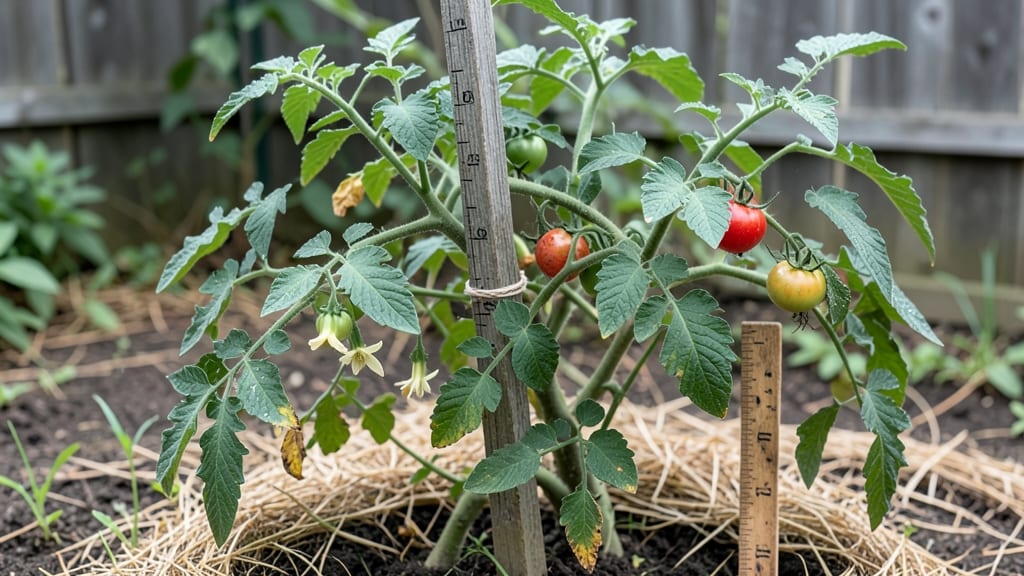
Tomato plants grow anywhere from 1 foot to over 12 feet tall, depending on the variety you choose—so picking the right type for your space is everything.
Wondering how much vertical space your tomato plants will need this season? The height of your tomato varieties can make or break your garden layout—and knowing the difference between dwarf, indeterminate, and determinate types is the first step to success.
Determinate varieties stay compact (3-5 feet), perfect for containers or small gardens, while indeterminate types climb like vines (6-12+ feet), demanding sturdy cages or trellises. Without the right support, even a 5-foot plant can flop, wasting space and reducing harvests.
In this guide, I’ll break down the height ranges by variety, how to control growth naturally, and the best spacing tricks to maximize your garden’s potential—no matter how much (or little) room you have.


Tomato plant height by variety: determinate vs indeterminate growth explained
If you've ever wondered why some tomato plants stay compact while others reach skyward like vines, the answer lies in their growth habits. Understanding the difference between determinate and indeterminate varieties is key to planning your garden layout, choosing supports, and maximizing your harvest.
These two types grow differently—not just in height, but in how they produce fruit and respond to pruning.
The height of your tomato plants directly impacts your garden's design. Determinate varieties typically stay between 3 to 5 feet, making them ideal for small spaces or container growing.
Indeterminate varieties, on the other hand, can climb to 6 to 12 feet or more, requiring sturdy trellises or cages. Knowing which type you're growing helps you avoid overcrowding and ensures your plants get the support they need for healthy growth.
Here's a quick visual comparison to help you visualize the differences before diving deeper:
<comparison-table>| Growth Type | Height Range | Growth Pattern | Fruit Production | Best For |
|---|---|---|---|---|
| Determinate | 3–5 ft | Bushy, compact | All at once (1–2 weeks) | Containers, small gardens |
| Indeterminate | 6–12+ ft | Vining, continuous | Ongoing (all season) | Trellises, large gardens |
🌱 Growth Type: Determinate = bushy, Indeterminate = vining
Determinate tomato varieties are often called bush tomatoes because they grow in a compact, rounded shape. Varieties like Celebrity or Roma typically max out around 4 feet, making them perfect for gardeners with limited vertical space.
These plants set all their fruit at once, which means you’ll get a single massive harvest—ideal if you love canning or preserving. However, their limited height means you won’t get a continuous supply of tomatoes throughout the season.
Indeterminate varieties, like Sungold or Brandywine, are the vining superstars of the tomato world. They don’t stop growing until frost kills them, which means they can easily reach 8 to 12 feet or more if given proper support.
These plants produce fruit continuously, giving you a steady harvest from midsummer until fall. The trade-off? You’ll need to invest in sturdy trellises, cages, or stakes to keep them upright and manageable.
One of the biggest mistakes gardeners make is assuming all tomato plants grow the same way. I once planted indeterminate Beefsteak tomatoes in a small pot without a trellis, and by midsummer, they were sprawling everywhere like unruly vines.
The lesson? Always check the variety’s growth habit before planting. For determinate types, space them 18–24 inches apart, while indeterminate varieties need 24–36 inches of space—and vertical support.
If you're growing in containers, dwarf varieties like Tiny Tim or Patio Princess stay under 2 feet, making them perfect for balconies or patios. These compact plants still produce plenty of fruit but won’t overwhelm your space.
For larger containers (like 5-gallon buckets), you can even grow indeterminate varieties with proper support, though they’ll need deeper pots to accommodate their extensive root systems.
Pruning plays a huge role in managing height, especially for indeterminate varieties. Regularly pinching off suckers (the small shoots that grow in the leaf axils) encourages stronger stems and better air circulation. For determinate varieties, minimal pruning is needed since they naturally stay compact.
However, removing lower leaves can prevent soil-borne diseases from splashing onto the fruit. Always use clean, sharp pruners to avoid damaging the plant.
Another factor that affects height is your climate. In cooler regions, indeterminate varieties might grow slower and stay slightly shorter than their counterparts in warmer zones. Conversely, in hot climates, some determinate varieties may grow taller than expected due to increased vigor.
Pay attention to your local growing conditions and adjust your expectations—and supports— accordingly.
For gardeners with limited space, semi-determinate varieties like Mountain Merit offer a middle ground. They grow 4–6 feet tall and produce fruit over a longer period than true determinate types, making them a great compromise.
These varieties are often recommended for small gardens or urban settings where you want a balance between height and continuous harvest.
No matter which type you choose, remember that support is non-negotiable for indeterminate varieties. Without proper trellising, these plants can become top-heavy and prone to breaking. Use sturdy bamboo stakes, tomato cages, or even a DIY wire trellis to keep them upright.
For determinate varieties, a simple low cage or even a mulch ring can help keep them contained and healthy.
Best tomato varieties ranked by height for small vs large gardens
Choosing the right tomato varieties based on height can transform your garden from cramped to spacious. If you're working with limited space, compact varieties are your best friends, while larger gardens can accommodate towering vining types that produce pounds of fruit.
The key is matching your garden layout to the plant's natural growth habit—whether it's a bushy determinate or a sky-reaching indeterminate.
For patio gardens or containers, dwarf varieties under 3 feet thrive without support, while larger gardens can dedicate space to 10-foot-plus vining giants. I’ve tested these varieties in my own garden, and the difference in yield and manageability is night and day.
Let’s dive into the best options for every space, from balcony pots to backyard plots.
Start with dwarf varieties like 'Tiny Tim', which max out at just 18-24 inches—ideal for 5-gallon containers on your patio. These compact tomatoes produce cherry-sized fruit in abundance, perfect for snacking.
My balcony garden thrives with these, and I’ve never had to prune them. For slightly more space, 'Patio Princess' hits 3-4 feet and delivers slicing tomatoes without the sprawl.
If you have a small garden bed (think 4x4 feet), semi-dwarf varieties like 'Celebrity' or 'Better Boy' (when pruned) fit perfectly. These determinate types grow 4-5 feet tall and produce heavy yields in a single harvest window.
I’ve seen 'Celebrity' plants burst with 50+ tomatoes in one go—just be ready to harvest frequently!
For larger gardens, medium-tall varieties like 'Brandywine' (6-8 feet) or 'Sungold' (5-7 feet) shine. These indeterminate types need strong trellises or cages but reward you with continuous harvests all season.
My backyard garden features a 'Brandywine' plant on a 10-foot bamboo trellis, and it’s a sight to behold—heirloom beefsteak tomatoes dangling like nature’s chandelier.
Finally, if you’re dreaming of a tomato jungle, giant indeterminate varieties like 'Cherokee Purple' or 'Big Beef' can reach 10+ feet with proper support. These monster producers need robust cages or stakes, but the payoff is worth it.
I once grew a 'Big Beef' plant that stretched 12 feet tall and produced over 50 pounds of tomatoes—enough to feed my family for months.
Pro tip: Always check your local climate zone and growing season length when selecting varieties. Shorter seasons favor determinate types, while longer summers let indeterminate varieties truly shine. Happy planting! 🌱