
Companion Plants
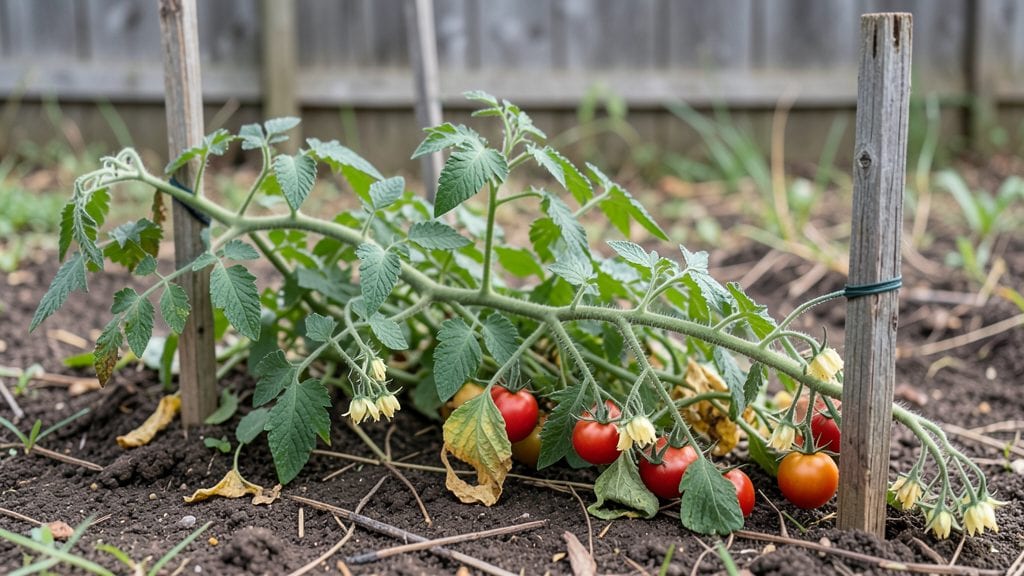
Trailing tomato plants turn a small patio into a vineyard of sun-ripened fruit. 🌱 I thought I’d never grow enough tomatoes until I discovered how indeterminate varieties—like 'Sweet Million' or 'Cherokee Purple'—sprawl like living fences, producing pounds of fruit in just a few square feet.
The key isn’t just staking; it’s training those vines to climb smart, so they focus energy on fruit instead of sprawling across your deck.
You’ll need sturdy trellises (I use 6-foot bamboo stakes with twine), well-draining potting mix, and a spot that gets at least 6-8 hours of sun daily. Prune suckers weekly—those little shoots between the stem and branches—and pinch off the first few flowers to encourage stronger vines.
The payoff? A single plant can yield 20+ pounds of tomatoes by late summer, all while saving space for other crops.
By mid-July, your trellis will be heavy with ripe fruit, and the vines will stretch toward the sky like a living sculpture. The secret’s in the balance: water deeply but let the soil dry slightly between drinks, and fertilize with compost tea every 4 weeks.
Even in small spaces, you’ll harvest enough to can, share, or freeze for winter.
Works for balconies, rooftops, or even a sunny corner of your yard. The same tricks apply whether you’re growing in containers or training vines along a fence. Let’s get those tomatoes climbing!
📚 In This Guide
- What you need
- Instructions
- Tips and common mistakes
- Wrapping up and next steps
What you need
- ● Trailing tomato varieties: Choose determinate or indeterminate types like 'Cherry Cascade,' 'Tumbling Tom,' or 'Sweet Million.' (1-2 plants per trellis, depending on space.)
- ● Trellis or support structure: DIY options: Sturdy wooden stakes (6–8 ft tall), bamboo poles, or PVC pipes (2–3 per plant).
- ● Pre-made trellises: A-frame, tomato cages (oversized, 4–5 ft diameter), or wall-mounted trellises.
- ● Growing medium: Well-draining potting mix (10–15 gallons per plant) or nutrient-rich garden soil (amended with compost).
- ● Containers (if potted): Fabric grow bags (5–7 gallons), large pots (12+ inches deep), or raised beds.
- ● Fertilizer: Balanced organic fertilizer (10-10-10 or 5-5-5) or compost tea for consistent feeding.
- ● Pruning shears: Sharp, clean shears (sterilize with rubbing alcohol between plants).
- ● Tie-downs: Soft plant ties, Velcro strips, or old T-shirts (cut into strips) to secure vines.
- ● Watering system: Drip irrigation or a watering can with a long spout (for even moisture).
- ● Mulch: Straw or shredded leaves to retain moisture and suppress weeds.
- ● Shade cloth: Lightweight fabric (30–50% shade) for hot climates.
- ● Companion plants: Basil, marigolds, or nasturtiums to deter pests and boost growth.
- ● Growth hormones: Root stimulator (like seaweed extract) for transplanting.
- ● Vertical garden kit: Pre-assembled trellis systems for small spaces.
Step-by-Step guide to growing trailing tomato plants
Here’s how to coax those sprawling vines into productive, space-saving powerhouses using simple trellis tricks.
🪴 Step 1: Choose the Right Trellis and Plant Variety
Start with a sturdy A-frame trellis or cattle panel arch—these support the weight of heavy fruit while allowing vines to climb naturally. For 4 plants, a 6-foot tall structure works perfectly. I always pick indeterminate varieties like 'Sungold' or 'Sweet Million' because they keep producing until frost and trail beautifully.
Space plants 18-24 inches apart at the base of the trellis. This gives roots room to establish while keeping vines from competing for support. If using a vertical trellis, plant 2 plants per side—this balances weight and maximizes sunlight exposure for all vines.
🌱 Step 2: Train Vines Early for Strong Growth
Once seedlings reach 6 inches tall, gently tie the main stem to the trellis with soft plant ties (never wire or anything that can cut into the stem). I wait until the first true leaves appear before handling them—this reduces shock. Guide the vine upward in a zigzag pattern every 12-18 inches as it grows.
Here’s the thing—don’t let vines sprawl. When suckers (side shoots) appear in the leaf axils, pinch them off within 3 days of spotting them. This redirects energy to fruit production instead of leafy growth. You’ll see stronger stems and heavier tomatoes if you stay on top of this early.
☀️ Step 3: Prune for Airflow and Sunlight
Throughout the season, prune lower leaves that touch the soil to prevent disease. Aim to keep the bottom 12 inches of the stem bare—this improves airflow and keeps fruit dry. I use clean, sharp pruners and make cuts at a 45-degree angle just above a leaf node to encourage healing.
Watch for suckers larger than a pencil—these compete with the main vine. Remove them by twisting gently (don’t cut) to avoid damaging the stem. This might seem harsh, but you’ll end up with bigger, riper tomatoes and fewer green shoulders on fruits. Real talk: skipping pruning means smaller yields and more pests.
💧 Step 4: Water and Fertilize for Heavy Yields
Water at the base of the plant every 2-3 days until the top 2 inches of soil feel dry. Trailing tomatoes need consistent moisture—let them wilt even slightly, and the fruit splits or tastes bland. I use drip irrigation or a soaker hose to avoid wetting leaves, which prevents fungal diseases like blight.
Feed plants with a balanced fertilizer (10-10-10) every 4-6 weeks starting when flowers appear. Switch to a low-nitrogen, high-phosphorus fertilizer (like 5-10-5) when fruits set to boost sweetness. You’ll notice darker green leaves and heavier clusters within a week of fertilizing—this is your signal it’s working.
✂️ Step 5: Harvest and Maintain Through Fall
Pick tomatoes when they’re fully colored and slightly soft to the touch. I harvest every 2-3 days in peak season to encourage more production. Use pruning shears to cut stems cleanly—this prevents disease from entering the plant. Store ripe tomatoes at room temperature (never in the fridge) to preserve flavor.
As temperatures drop below 50°F, reduce watering and stop fertilizing. Let the vines ripen remaining fruit on the plant—cold nights sweeten tomatoes naturally. Once frost threatens, cut the entire vine at the base, hang it upside down in a cool, dark place, and watch for newly ripened tomatoes over the next few weeks.
Tips & tricks for perfect trailing tomato plants
Here's what nobody tells you about getting those trailing tomatoes to thrive—and why most gardeners miss out on the biggest yields.
Trellis Stability is Key: Don't skimp on your trellis setup. I've seen too many A-frame trellises collapse under the weight of heavy tomato clusters. For 4 plants, use 2x4 lumber for the frame and reinforce the base with concrete blocks or heavy stakes. If you're using a cattle panel arch, bury the posts at least 12 inches deep for maximum stability. The last thing you want is your trellis toppling over when you're not looking.
Timing is Everything for Training: In Step 2, when you're tying up those 6-inch seedlings, be patient. I learned this the hard way—rushing to tie vines too early can damage tender stems. Wait until you see the first true leaves (not the tiny seed leaves), then use soft plant ties that won't cut into the stem as it grows. Pro tip: Make your first tie just above the first leaf node, then continue every 12-18 inches in a zigzag pattern to encourage strong growth.
Pruning Pays Off Big Time: I know pruning seems like extra work, but it's the difference between a few tomatoes and a bushel basket. In Step 3, when you're removing those lower leaves, aim to keep the bottom 12 inches bare. This might seem counterintuitive, but it prevents soil-borne diseases from splashing up onto your fruit. And when you're dealing with suckers larger than a pencil, don't hesitate—twist them off gently. You'll thank me when you're harvesting tomatoes the size of softballs instead of golf balls.
Fertilizer Strategy Matters: The switch from balanced (10-10-10) to low-nitrogen (5-10-5) fertilizer in Step 4 is crucial. I've seen gardeners keep using high-nitrogen fertilizer all season, and their plants just grow more leaves with fewer tomatoes. Once your flowers appear, make that switch, and you'll notice darker green leaves and heavier clusters within days. And remember—consistency is key. Those 4-6 week intervals keep your plants fed without burning them.
Pro Tips for Trailing Tomato Plants
- Here's what nobody tells you about getting those trailing tomatoes to thrive—and why most gardeners miss out on the biggest yields.
- Trellis Stability is Key: Don't skimp on your trellis setup.
- Timing is Everything for Training: In Step 2, when you're tying up those 6-inch seedlings, be patient.
Frequently asked questions
Got questions about growing trailing tomato plants? You’re not alone!
Here are answers to the most common concerns—from setup to troubleshooting—to help you grow like a pro.
When is the best time to start training my trailing tomato plants?
Start training as soon as your plants hit 6–12 inches tall and have a few true leaves. Wait too long, and you risk breaking stems or stressing the plant. Use soft ties (like old T-shirts or plant clips) to avoid damaging the vines. Early training encourages stronger growth and better fruit production!
Can I grow trailing tomatoes in containers? What’s the best setup?
Use large containers (at least 5 gallons) with a sturdy trellis or cage. Ensure drainage holes are present, and mix in compost for nutrients. Dwarf or cherry varieties like ‘Tumbling Tom’ thrive in pots. Just water consistently—containers dry out faster than ground soil.
How do I know if my trailing tomatoes need pruning? What should I avoid?
Prune to remove suckers (side shoots in leaf axils) and lower leaves touching soil (to prevent disease). Avoid over-pruning—leave 3–5 main stems for indeterminate varieties. Never prune more than 1/3 of the plant at once, or you’ll shock the tomato. Focus on airflow and sunlight exposure!
Why are my trailing tomatoes flowering but not fruiting? How can I fix it?
Common causes: too much nitrogen, heat stress, or lack of pollinators. Reduce fertilizer (switch to bloom-boosting 5-10-10), shade plants during extreme heat, and gently shake vines to aid pollination. Hand-pollinate with a small brush if needed. Patience helps—some varieties take 60+ days to fruit!
Are trailing tomatoes harder to harvest than bush varieties?
Not necessarily! Trailing tomatoes often produce more fruit per plant and ripen faster due to better airflow. The key is regular harvesting—pick ripe tomatoes every 2–3 days to encourage more production. Use a small knife or scissors to avoid damaging vines. Plus, elevated plants mean less bending for you!
Still stumped? Drop your question in the comments—we’re happy to help you troubleshoot!
Wrapping up and next steps
Growing trailing tomato plants on trellises isn’t just a space-saving hack—it’s a game-changer for your garden! 🌱 With the right setup, you’ll enjoy bigger yields, healthier plants, and easier maintenance, all while keeping pests at bay.
Whether you’re a beginner or a seasoned gardener, these trellis tricks will help you make the most of your harvest.
Ready to transform your garden? Start by choosing your favorite trailing variety, gather your materials, and get trellising! Click here to revisit the full guide, then grab your pruners and watch your tomatoes reach new heights—literally and figuratively. Happy gardening!