
Companion Plants
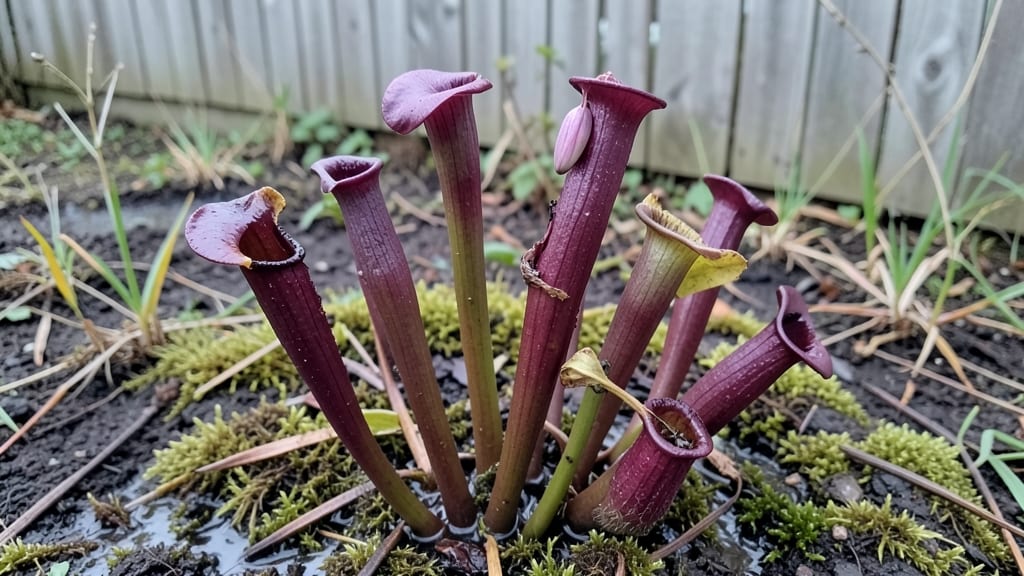
My boggy garden plants don’t just survive—they thrive, turning soggy soil into a lush oasis that hums with life. 🌿 The key is choosing the right companions: plants that love moisture like it’s their job, from native wildflowers to edible favorites that flourish where others drown.
I’ve spent years testing these plants in my own waterlogged patch, and the results are nothing short of shocking—vibrant foliage, abundant blooms, and a garden that stays green even when everything else wilts.
You don’t need fancy equipment or expensive soil amendments to make this work. A few simple adjustments—like amending clay-heavy soil with compost or peat moss, or using containers to control moisture levels—can transform even the wettest spot into a productive garden.
My go-to setup includes a mix of cattails for texture, blue flag iris for bold color, and watercress for fresh harvests, all of which love standing water. The best part? These plants attract pollinators, filter runoff, and often outperform their drought-loving cousins in the same space.
Once planted, maintenance is minimal: mulch with wood chips or leaves to keep roots cool, avoid over-fertilizing (wet soil leaches nutrients fast), and pair moisture-lovers with companion plants like mint or horseradish to deter pests.
Within a season, you’ll see lush growth where others see trouble—proof that soggy soil isn’t a problem, just a different kind of opportunity. Let’s turn your waterlogged patch into a showstopper.
This approach works best in USDA zones 4-8, where boggy conditions are common, but with minor tweaks—like choosing cold-hardy varieties in northern climates or drought-tolerant bog plants in arid regions—you can adapt it almost anywhere.
The secret isn’t fighting the wet soil; it’s working with it. Ready to give it a try?
📚 In This Guide
- What you need
- Instructions
- Tips and common mistakes
- Wrapping up and next steps
What you need
- ● Boggy Garden Plants: 1–3 Calla lilies (per 3 sq ft)
- ● 2–4 Marsh marigolds (per 2 sq ft)
- ● 1 Royal fern (per 1 sq ft)
- ● 1–2 Purple loosestrife (per 4 sq ft)
- ● 3–5 Water mint (per 2 sq ft, if you love fragrance!)
- ● Soil Amendments (if needed): 5–10 lbs of peat moss (for acid-loving plants)
- ● 1–2 lbs of compost (for nutrient boost)
- ● Tools: 1 garden trowel (for delicate planting)
- ● 1 pruners (for trimming established plants)
- ● 1 watering can (or hose with gentle spray nozzle)
- ● 1 garden gloves (to keep hands dry and clean!)
- ● Mulch (e.g., wood chips or gravel to retain moisture)
- ● Water-level indicator (to monitor sogginess)
- ● Drainage fabric (if improving existing wet areas)
- ● Decorative stones or logs (for a natural bog vibe!)
Step-by-Step guide to establishing a wet soil garden
Here’s how to transform soggy ground into a thriving wetland sanctuary for moisture-loving plants.
🌱 Step 1: Test and Amend the Soil
First, dig a small hole in the boggy area and fill it with water. If it drains within 30 minutes, your soil has decent drainage but can still handle moisture-loving plants. If it stays saturated for hours, you’ll need to improve aeration. Mix in 2-3 inches of coarse sand or perlite into the top 6 inches of soil to prevent compaction while retaining moisture.
Add a 1-inch layer of organic matter like composted leaves or peat moss to boost microbial activity. This step is critical—wetland plants thrive when their roots have access to both water and oxygen. Avoid heavy clay amendments; they’ll just make the area stickier.
🌿 Step 2: Select and Plant Wetland-Native Species
Choose plants that naturally thrive in saturated or seasonally flooded conditions, like cattails, pickerelweed, or swamp milkweed. For a more ornamental look, iris, lobelia, or marsh marigolds work beautifully. Space them 12-18 inches apart to allow for root spread and airflow between stems.
Dig holes twice as wide as the root ball but no deeper. Gently loosen the roots if they’re circling and place the plant so the crown sits just above the soil line. This prevents rot in waterlogged conditions. Backfill with the amended soil and press lightly to eliminate air pockets.
💧 Step 3: Manage Water Levels Strategically
Most boggy garden plants prefer standing water up to 6 inches deep during peak growing season. If your soil drains too quickly, create a shallow basin around the plants and top it off with rainwater or dechlorinated tap water weekly. Avoid chlorinated water—it can harm sensitive root systems.
In drier spells, mulch with 3 inches of shredded bark or pine needles to slow evaporation and maintain humidity at the soil surface. This mimics natural wetland conditions where moisture lingers near the roots. Monitor the water level—if it drops below 2 inches, replenish immediately.
✂️ Step 4: Prune and Maintain for Long-Term Health
Deadhead spent blooms in late summer to encourage a second flush of flowers, but leave seed heads on native plants like milkweed to support pollinators. Cut back cattails and sedges in early spring before new growth emerges—this prevents overcrowding and keeps the garden looking tidy.
Fertilize lightly in early spring with a balanced, slow-release fertilizer (10-10-10) if your soil is nutrient-poor. Wetland plants typically don’t need much extra feeding, but a quarter-strength dose can help establish new plantings. Avoid high-nitrogen fertilizers—they promote leafy growth at the expense of flowers.
☀️ Step 5: Protect from Pests and Overwintering
Slugs and snails adore tender new growth in wet conditions. Set out beer traps or apply copper tape around the garden’s edge for organic control. If aphids appear, blast them off with a strong stream of water—this disrupts their colonies without chemicals.
In colder climates, mulch heavily with straw or leaves before the first frost to insulate roots. Most wetland plants are hardy, but tender perennials like lobelia may need winter protection. Cut back dead foliage in late winter to allow sunlight to warm the soil for early spring growth.
Tips & tricks for perfect boggy garden planting
Transforming soggy ground into a thriving wetland garden takes more than just planting—it’s about understanding the subtle science behind moisture balance. Here’s how to avoid common pitfalls and create the ideal conditions for your wetland companions.
Soil Drainage Test: The 30-minute water test in Step 1 reveals whether your soil needs aeration or can handle moisture-loving plants directly. If water lingers beyond this window, focus on adding 2-3 inches of coarse sand or perlite to the top 6 inches—this creates the perfect balance between aeration and moisture retention. Think of it as building a drainage highway for roots while keeping the water table elevated.
Root Placement Precision: When planting in Step 2, positioning the crown just above the soil line is non-negotiable—this prevents rot in waterlogged conditions. I’ve seen too many gardeners bury the crown too deep, leading to soggy stems and plant death. Use a small stake to mark the original soil line from the pot as a reference point during planting.
Water Management Strategy: The 6-inch standing water guideline in Step 3 is your target, but don’t let it become a stagnant pond. In drier periods, your 3-inch mulch layer of shredded bark or pine needles becomes the moisture reservoir. Check water levels weekly—if it drops below 2 inches, replenish immediately. This mimics natural wetland cycles where moisture fluctuates but never completely disappears.
Seasonal Care Calendar: Early spring is prime time for that quarter-strength fertilizer application in Step 4, but timing matters. Apply it when you see new growth emerging—about 2-3 weeks after your last frost date. This gives your plants a gentle nutrient boost without overwhelming their delicate root systems. And remember: high-nitrogen fertilizers are the enemy here—they’ll drown out your flowers in favor of leafy growth.
Pro Tips for Boggy Garden Plants
- Transforming soggy ground into a thriving wetland garden takes more than just planting—it’s about understanding the subtle science behind moisture balance.
- Soil Drainage Test: The 30-minute water test in Step 1 reveals whether your soil needs aeration or can handle moisture-loving plants directly.
- Root Placement Precision: When planting in Step 2, positioning the crown just above the soil line is non-negotiable—this prevents rot in waterlogged conditions.
Frequently asked questions
Got questions about keeping your boggy garden lush and thriving? You’re not alone! Here are some of the most common queries—and their solutions—to help you navigate wet soil like a pro.
What are the best low-maintenance boggy garden plants for beginners?
Start with hardy, native plants like Caltha palustris (marsh marigold), Iris pseudacorus (yellow flag iris), or Mentha aquatica (water mint). These tolerate soggy soil, spread easily, and require minimal fuss once established. Pair them with Carex sedges for texture!
How do I know if my garden soil is truly boggy?
Test it! Dig a hole (12 inches deep) and fill it with water. If it drains in less than 6 hours, it’s well-drained. If water lingers for days, you’ve got boggy soil. Look for standing water after rain or mushrooms popping up—classic signs of poor drainage.
When is the best time to plant boggy garden companions?
Spring or early fall are ideal. In spring, soil warms up, giving roots a head start. Fall planting lets plants establish before winter’s chill. Avoid planting in freezing temps—roots need time to anchor before dormancy. Pro tip: Mulch with peat or bark to retain moisture!
Can I grow vegetables in a boggy garden?
Try kale, lettuce, or rhubarb—they love moisture. For root veggies, amend soil with compost to improve drainage slightly. Avoid potatoes (they rot) and opt for raised beds if your soil is extremely waterlogged. Herbs like mint and parsley also thrive!
Why are my bog plants dying despite the wet soil?
Overwatering or poor soil quality could be the culprit. Check for root rot (mushy, brown roots) or pests like slugs. Ensure your plants get some sunlight (6+ hours/day) and avoid compacted soil. If drainage is the issue, add organic matter or create a shallow "swale" to redirect water. Drainage > drowning!
Still stumped? Drop your boggy garden woes below—we’re happy to help!
Wrapping up and next steps
Transforming your boggy garden into a lush, thriving space is easier than you think!
By choosing the right boggy garden plants, you’re not just embracing nature’s resilience—you’re creating a low-maintenance, eco-friendly oasis that’s perfect for wet conditions. 🌿 From hardy grasses to vibrant flowers, these companions will reward you with beauty and ease.
Ready to take the next step? Start by assessing your soil’s moisture level, then pick your favorite plants from our list. Grab your gardening tools, roll up your sleeves, and let your soggy soil become your garden’s superpower! Happy planting! 🌱