Watering
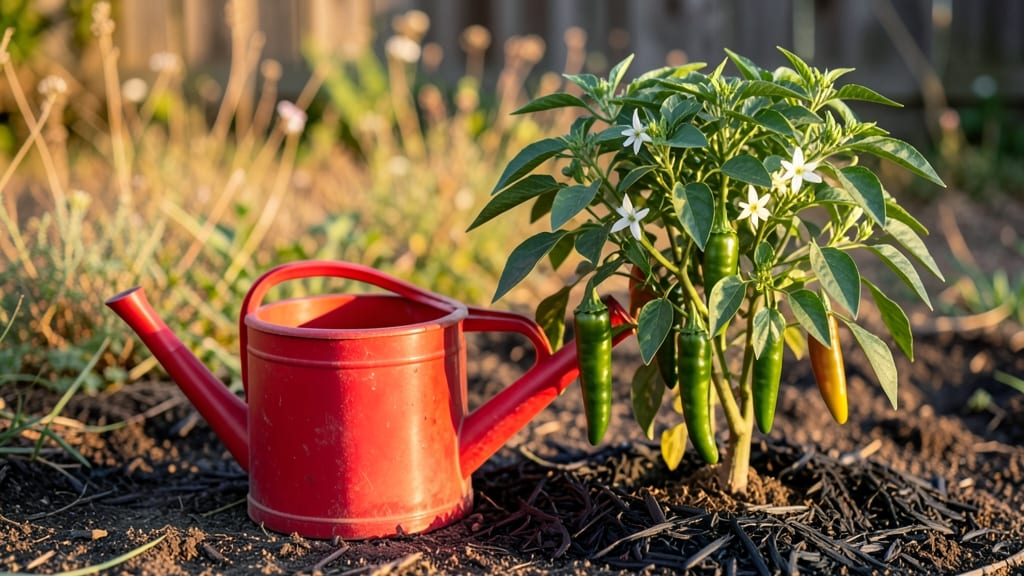
Watering jalapeno plants the right way turns a gamble into a guaranteed harvest of fiery, flavor-packed peppers. 🌱 I’ve learned that most gardeners either drown their plants or let them wilt—both kill the fruit quality.
The trick isn’t just how much water you give, but when and how you deliver it.
Jalapenos hate soggy roots but can’t handle drought stress either. In hot, dry climates, they need deep watering 2–3 times a week, while humid areas might only need 1–2 times.
Drip irrigation keeps roots consistently moist without wetting the leaves, which prevents disease. Hand-watering works too, but aim for the soil, not the foliage.
Watch for signs of trouble: yellowing leaves mean overwatering, while wilting or crispy edges signal thirst. The soil should stay slightly damp but never muddy—stick your finger in to check.
Proper watering doesn’t just keep plants alive; it makes peppers thicker-walled, hotter, and sweeter, which is what we’re all growing them for.
Adjust for your climate: container plants dry out faster, while in-ground peppers hold moisture longer. Mulch helps retain water and keeps roots cool. Once you master this, your jalapenos will reward you with bold, vibrant fruit—and fewer wasted plants. Let’s get those roots happy!
📚 In This Guide
- What you need
- Instructions
- Tips and common mistakes
- Wrapping up and next steps
What you need
- ● Jalapeño Seeds or Seedlings: 5–10 seeds (if starting from scratch) or 3–5 healthy seedlings (for faster growth).
- ● Pro tip: Choose disease-resistant varieties like ‘Early Jalapeño’ or ‘Jalapeño M’ for better yields! 🌶️💡
- ● Containers or Garden Bed: 5-gallon pots (minimum) with drainage holes or a well-draining garden bed in full sun (6+ hours/day).
- ● Potting mix: 50% high-quality potting soil + 50% compost (sterile, peat-free options work best).
- ● Watering Supplies: Watering can with a rose nozzle (for gentle, deep watering).
- ○ Moisture meter (optional but helpful for tracking soil hydration).
- ● Fertilizer: Balanced 10-10-10 fertilizer or organic options like fish emulsion or worm castings.
- ● Slow-release granules (follow package rates).
- ● Mulch (straw or shredded leaves) to retain moisture and suppress weeds.
- ● Plant supports (cages or stakes) if your jalapeños grow tall.
- ● Shade cloth (30–50%) for hot climates to prevent stress.
- ● pH test kit (ideal range: 6.0–7.0 for jalapeños).
Step-by-Step guide to watering jalapeno plants for peak spice
Jalapenos hate soggy roots but demand consistent moisture—here’s how to strike the perfect balance.
💧 Step 1: Establish a Deep Watering Routine
Jalapenos thrive when watered deeply but infrequently. The goal is to moisten the entire root zone—about 12-18 inches deep—so roots grow downward instead of staying shallow. I use the "poke-and-check" method: stick your finger 2 inches into the soil. If it feels dry, it’s time to water. If damp, wait another day.
Water at the base of the plant (not overhead) using a soaker hose or drip irrigation to avoid wetting leaves, which invites fungal diseases. Early morning is best—watering in the evening leaves foliage damp overnight, creating prime conditions for mildew. You’ll know you’re doing it right when the top 2 inches of soil dry out between waterings but the deeper soil stays consistently moist.
☀️ Step 2: Adjust for Heat and Sun Exposure
Jalapenos in full sun (6+ hours daily) evaporate moisture faster, so check soil moisture daily during heatwaves. If temperatures hit 90°F+, increase watering frequency slightly—every 2-3 days—but never let the soil become soggy. Overwatering in hot weather leads to blossom-end rot (those ugly black patches on peppers) and root rot.
Mulch heavily with 2-3 inches of organic mulch (like straw or shredded leaves) to lock in moisture and keep roots cool. I always mulch after the soil warms in spring—it cuts water needs by 30-40% while suppressing weeds. Watch for white crust on the soil surface; this means evaporation is too high and you may need to water more frequently.
🌱 Step 3: Monitor for Stress Signals
Jalapenos send clear signals when their water needs aren’t met. Wilting leaves (especially in the afternoon) mean the plant is thirsty, but yellowing leaves (starting at the bottom) usually mean overwatering or poor drainage. If the soil stays muddy or smells sour, you’re drowning the roots—cut back immediately and let the top 4 inches dry out before watering again.
Here’s the thing—jalapenos are drought-tolerant once established, but flowering and fruiting stages demand consistency. During these phases, keep the soil evenly moist (not soggy) to prevent blossoms from dropping. You’ll see small, crisp peppers form when watering is just right—large, soft peppers signal overwatering or uneven moisture.
⏰ Step 4: Taper Off Before Harvest
As jalapenos near maturity (typically 60-75 days after transplanting), reduce watering slightly to every 3-4 days. This helps concentrate flavor and spice levels. Stop watering 48 hours before picking—dry soil prevents peppers from splitting open when harvested. I always check for firm, glossy skin as a sign they’re ready; soggy soil leads to mushy, low-quality peppers.
After harvest, let the soil dry out completely before watering again. Jalapenos go dormant in fall, so reduce watering to once weekly until the first frost. This prevents rot and keeps plants healthy for next season. You’ll know you’ve nailed it when your plants produce bright green, firm peppers with thick walls—no wrinkles, no soft spots.
Tips & tricks for perfect jalapeno watering
Balancing moisture for jalapenos is an art—too little and they wilt, too much and you’ll lose your harvest. Here’s how to get it right every time.
The Poke-and-Check Method: In Step 1, when you check that 2-inch depth, press firmly—if the soil feels like a damp sponge, wait another day. The top 2 inches drying out between waterings is your golden zone; this prevents shallow roots while keeping the plant hydrated where it matters most. I’ve seen gardeners overwater because they assumed "dry" meant bone-dry—don’t make that mistake!
Heatwave Survival: When temperatures hit 90°F+, switch to the every-2-3-days schedule from Step 2, but time it for early morning. I’ve lost entire pepper crops to blossom-end rot because I watered in the evening during heatwaves—always check for that white crust on the soil surface as your warning sign. A quick fix? Apply a thick layer of mulch immediately to lock in moisture.
Stress Signals Decoded: Those wilting afternoon leaves in Step 3? That’s your plant’s SOS. But here’s the catch: if the wilting happens in the morning, it’s often overwatering. The key is the soil’s texture—if it’s muddy or smells sour, you’ve gone too far. Let the top 4 inches dry completely before watering again, even if it means skipping a day.
Pre-Harvest Prep: The 48-hour dry period before picking in Step 4 isn’t just about preventing splits—it’s about flavor concentration. I’ve noticed the spiciest peppers always come from plants that got this final dry spell. Just be patient: firm, glossy skin takes 2-3 days to develop after you stop watering completely.
Pro Tips for Water Jalapeno Plants
- Balancing moisture for jalapenos is an art—too little and they wilt, too much and you’ll lose your harvest. Here’s ho...
- The Poke-and-Check Method: In Step 1, when you check that 2-inch depth, press firmly—if the soil feels like a damp sp...
- Heatwave Survival: When temperatures hit 90°F+, switch to the every-2-3-days schedule from Step 2, but time it for ea...
Frequently asked questions
Got questions about keeping your jalapeño plants thriving with the perfect watering routine?
You’re not alone! Here are answers to the most common concerns—so you can grow fiery, healthy peppers without a single soggy setback.
How often should I water jalapeño plants?
Water jalapeños deeply 1–2 times per week, depending on your climate. Let the top 1–2 inches of soil dry out between waterings—overwatering is the #1 killer! Mulch helps retain moisture while preventing root rot.
What are the signs of overwatering vs. underwatering?
Overwatered plants show yellowing leaves, mushy stems, or moldy soil. Underwatered ones have crispy edges, wilting, or dry, cracked soil. Stick your finger in the soil—if it’s damp 2+ inches down, hold off!
Can I use tap water for jalapeños?
Tap water is usually fine, but if it’s hard or chlorinated, let it sit out for 24 hours or use filtered water. Jalapeños are sensitive to salt buildup—flush soil occasionally with plain water to keep roots happy.
Do jalapeños need more water in extreme heat?
In temperatures above 90°F, water every 2–3 days (early morning is best). Use a drip irrigation system or soaker hose to avoid wetting leaves, which can cause disease. Watch for wilting—it’s a red flag!
What’s a good alternative if I can’t water regularly?
Try a self-watering planter or hydrogel crystals mixed into soil to retain moisture. Container growers can also group plants together to create a microclimate that slows evaporation. Just ensure good drainage!
Why are my jalapeño leaves turning brown at the tips?
Brown tips often mean overwatering or fluoride/chlorine buildup from tap water. Flush the soil with rainwater or distilled water, and adjust your watering schedule. If the issue persists, check for pests like spider mites!
Wrapping up and next steps
Growing fiery jalapeños is all about balance—especially when it comes to water! 🌱 By now, you’ve learned that consistent moisture (without soggy roots) and proper drainage are your secret weapons for spicy success. Remember, jalapeños are tough but not waterproof—adjust your routine based on their growth stage and your climate.
Ready to level up your harvest? Start by monitoring your plants’ soil moisture like a pro, and don’t forget to prune and fertilize for bigger, hotter peppers. Happy growing—your taste buds (and your garden) will thank you! 🌶️✨