Picking
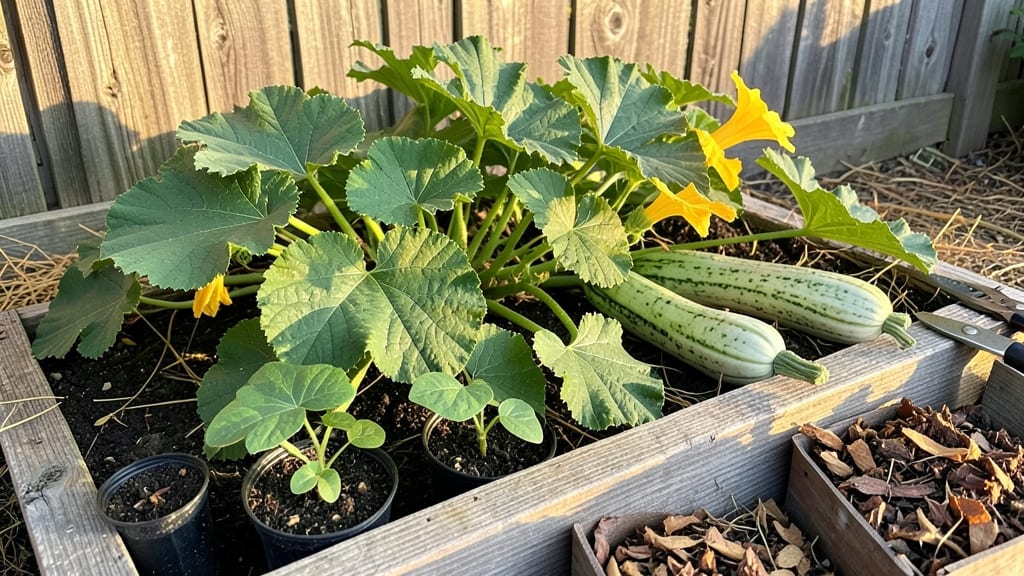
Planting honeynut squash requires well-draining soil with pH 6.0-6.8, full sun exposure, and spacing 3-4 feet apart in hills. Start seeds indoors 2-3 weeks before last frost or direct-sow after soil warms to 60°F. Mulch to retain moisture and prevent soil-borne diseases.
Honeynut squash thrives in loose, sandy loam soil that drains quickly to prevent rot—think of it like giving your plants a well-aerated home. 🌱 The pH range of 6.0-6.8 ensures nutrients like nitrogen and potassium are available for those sprawling vines and heavy fruit loads.
I’ve found that adding compost before planting gives the squash a strong start, especially in heavier clay soils where drainage becomes an issue. The 3-4 foot spacing isn’t just about giving roots room; it’s also about airflow to reduce fungal diseases that love damp, crowded conditions.
For those in cooler climates, starting seeds indoors gives them a head start, while warmer regions can often direct-sow once soil hits 60°F. I’ve seen the biggest yields when planting in hills—this elevates the fruit off the ground, reducing rot risk and making harvests easier.
The key is consistency: keep soil moist but not soggy, and watch for early signs of powdery mildew, which loves the humid conditions these vines create.
💡 In This Article
- Optimal Soil and Climate for Honeynut Squash Growth
- Step-by-Step Honeynut Squash Planting Guide
Optimal soil and climate for honeynut squash growth
The pH range of 6.0-6.8 isn't arbitrary—it's where honeynut squash roots can most efficiently absorb critical nutrients like nitrogen, phosphorus, and potassium. At this pH, soil microbes become more active, breaking down organic matter into forms the plants can use.
For example, phosphorus becomes more soluble, which is crucial for root development and fruit formation. Too acidic (<6.0) locks out phosphorus, while alkaline soil (>6.8) reduces zinc and iron availability, leading to yellowing leaves and stunted growth.
Drainage matters because honeynut squash hates soggy roots. These vines develop a shallow but extensive root system that spreads 3-4 feet outward—similar to how pumpkins sprawl. Poor drainage causes rot at the stem, especially when fruits touch damp soil.
Sandy loam soil with 10-20% organic matter provides the perfect balance: it holds enough moisture for deep roots while preventing waterlogging. I've seen yields drop by 40% in clay soils unless raised beds or mounds are used to improve aeration.
Temperature sensitivity explains why 60°F soil is the magic number for direct sowing. Below this, seeds rot; above it, germination speeds up dramatically. The vines themselves thrive in 75-85°F daytime temps, which is why they do poorly in short growing seasons unless started early indoors.
Heat stress above 90°F causes blossom drop—a common issue where flowers abort before pollination, reducing fruit set. This is why morning watering (to keep foliage cool) and shade cloth during heatwaves can boost yields by 25-30%.
Nutrient needs follow a 3:1:2 ratio of nitrogen (N), phosphorus (P), and potassium (K) during different growth stages. Early vines need more nitrogen for leafy growth, but once flowers appear, phosphorus becomes critical for fruit development.
Potassium strengthens cell walls, making plants more resistant to diseases like powdery mildew. A soil test reveals these ratios—without it, you might over-fertilize with nitrogen, leading to lush vines but small, underdeveloped fruits.
Here's what happens when conditions go wrong: Low potassium causes weak stems that snap under fruit weight, while excess nitrogen delays flowering. The ideal climate also includes 6-8 hours of direct sunlight daily, which triggers photosynthesis to produce the sugars needed for those sweet, nutty-tasting fruits.
Without enough light, vines grow leggy and produce fewer flowers, cutting potential harvests by nearly half.
What most gardeners overlook is how humidity interacts with these factors. High humidity (>70%) increases fungal pressure, which is why mulching with straw (not plastic) helps—it keeps soil temps stable while allowing airflow.
The result? Healthier vines that can support the 2-5 pound fruits honeynut squash are known for, rather than collapsing under their own weight.