
Companion Plants
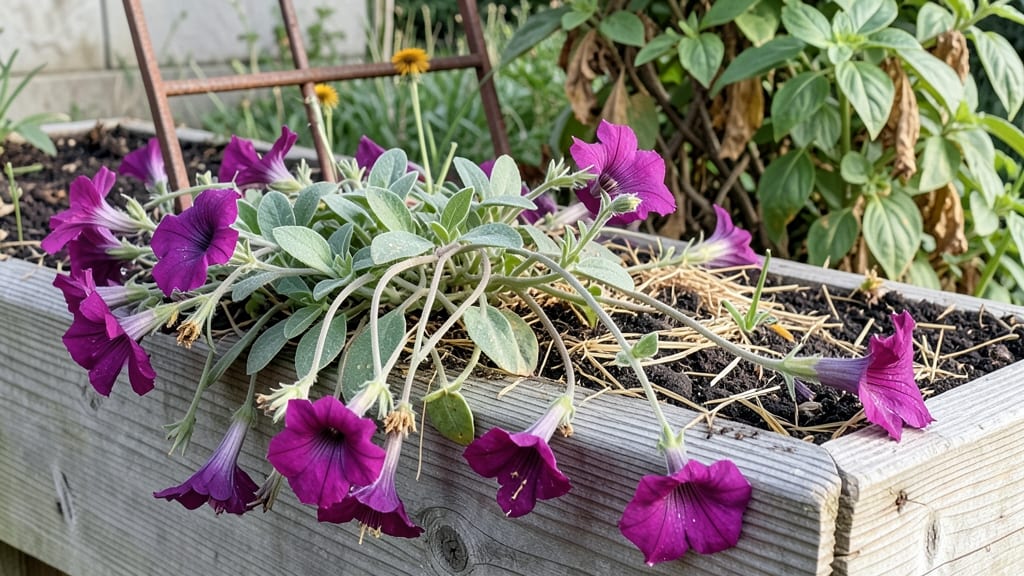
Trailing petunia plants turn containers and garden edges into lush, striped waterfalls of color that beg for compliments. 🌸 I’ve grown them in everything from hanging baskets to window boxes, and the secret to their effortless cascade isn’t complicated—it’s about matching their love of sun, well-draining soil, and a little regular TLC.
The first time I saw mine spill over a pot like a floral curtain, I knew they’d become my go-to for instant drama.
These plants thrive in full sun (at least 6 hours daily) and soil that drains like a sponge—too much moisture turns their roots soggy. A balanced fertilizer every 2 weeks keeps blooms coming, and deadheading faded flowers encourages nonstop production.
The trailing habit means they’ll stretch 12–24 inches long, so give them space to sprawl or they’ll look crowded and leggy.
By summer’s end, you’ll have a dramatic display that attracts butterflies and makes neighbors ask, “What are those?” The key is keeping them hydrated (but not soggy) and pinching back leggy stems early. With this care, they’ll bloom until frost—proof that simple plants can make the biggest impact.
Perfect for balconies, porch railings, or mixed containers with fillers like sweet potato vine. They’re beginner-friendly but demand consistency—skip the neglect, and they’ll reward you with months of show-stopping color. Let’s get those cascades growing!
📚 In This Guide
- What you need
- Instructions
- Tips and common mistakes
- Wrapping up and next steps
What you need
- ● Trailing petunia plants: 3–5 healthy nursery-grown plants (choose varieties like 'Tumbling Violet,' 'Supertunia,' or 'Wave' for best results).
- ● Containers or garden beds: Hanging baskets (10–14 inches in diameter) for 1–2 plants each.
- ● Window boxes or planters (12+ inches deep) for 3–5 plants per container.
- ● Garden soil or raised beds (if planting outdoors).
- ● Potting mix: High-quality, well-draining mix (e.g., Miracle-Gro Moisture Control or Black Gold Natural & Organic).
- ● Slow-release fertilizer: 10–10–10 or 14–14–14 blend (follow package rates).
- ● Watering can or hose with a gentle spray nozzle.
- ● Pruning shears (for trimming leggy stems).
- ● Gloves (to protect hands from soil or thorns).
- ● Mulch (e.g., pine bark fines) to retain moisture.
- ● Plant supports (e.g., trellises or stakes) if training vines vertically.
- ● Full sun exposure (6+ hours daily) for vibrant blooms.
- ● Consistent watering (keep soil evenly moist but not soggy).
- ● Patience! Trailing petunias thrive with regular care and may take 4–6 weeks to fully cascade.
Step-by-step guide to growing trailing petunias with stunning striped blooms
Here’s how to cultivate vibrant, cascading petunias that burst with bold stripes and thrive all season long.
🪴 Step 1: Select Containers and Prepare the Growing Medium
Choose hanging baskets, window boxes, or large containers with multiple drainage holes—petunias despise soggy roots. I opt for 12-inch diameter baskets lined with coconut coir or moss to retain moisture while allowing airflow. Fill each container with 2-3 gallons of well-draining potting mix, amended with ½ cup perlite per gallon to prevent compaction.
Moisten the mix until it’s damp but not saturated—think of a wrung-out sponge. Press it down lightly to remove air pockets, then fluff the surface with your fingers. This ensures roots establish quickly without suffocating. Real talk: Skimping on drainage here leads to root rot by midsummer.
🌱 Step 2: Plant Transplants at the Right Depth and Spacing
Gently remove petunia transplants from their nursery pots, teasing apart roots if they’re crowded. Plant two to three per 12-inch basket, spacing them 6-8 inches apart—this gives their trailing vines room to sprawl without competing for nutrients. Bury stems just below the soil line (no deeper) to encourage root growth along the buried portion.
Firm the soil around each plant with your fingers, then water deeply until it drains freely from the bottom. The first flush of water settles the roots and washes away air gaps. If using striped varieties, group them together for a cohesive visual impact—those bold patterns pop when clustered.
☀️ Step 3: Position for Maximum Sun and Consistent Moisture
Trailing petunias demand full sun—at least 6-8 hours daily—but they’ll scorch in afternoon heat if deprived of airflow. Place containers where they receive morning sun and afternoon shade in hot climates, or dappled light if your space is intensely sunny. I’ve learned the hard way: Wilting by noon means relocating.
Water daily in hot weather, keeping the growing medium evenly moist (not soggy). Check by sticking your finger 1 inch deep—if it feels dry, water again. Mulch the surface with ½ inch of pine bark fines to slow evaporation. This step is non-negotiable: Petunias wilt faster than you can blink in dry soil.
✂️ Step 4: Prune and Fertilize for Nonstop Blooms
Deadhead spent blooms weekly by pinching off flowers just above the next set of leaves. This redirects energy to new growth instead of seed production. I also trim leggy stems back by ⅓ their length to encourage bushier, fuller plants. Use bypass pruners for clean cuts—never tear stems, or you’ll invite disease.
Feed every 2 weeks with a balanced liquid fertilizer (10-10-10 or 20-20-20) diluted to half strength. Overfeeding burns roots, but skipping it stunts growth. Watch for new buds forming at leaf junctions—that’s your cue the plant is thriving. Here’s the thing: Striped petunias need consistent feeding to maintain their vibrant patterns.
🌿 Step 5: Train Vines and Extend the Season
Gently weave trailing stems through basket slits or along trellises as they grow, guiding them outward. This prevents tangled mats and maximizes display. In cooler months, move containers to a protected spot (like a covered patio) when night temps drop below 50°F. Petunias are tender annuals—frost kills them instantly.
To prolong blooms, reduce watering slightly in fall and switch to a low-nitrogen fertilizer (like 5-10-10) to harden off plants. You’ll see fewer new flowers but stronger stems. I’ve kept striped varieties blooming until first frost with this trick—proof that a little adjustment goes a long way.
Tips & tricks for perfect trailing petunia blooms
These insider secrets will help you cultivate trailing petunias with vibrant stripes that cascade beautifully all season long.
Container Selection: Don't settle for just any hanging basket—opt for ones with multiple drainage holes and at least 12 inches in diameter for two to three plants. The extra space prevents root competition and allows those trailing vines to sprawl dramatically. I've found that coconut coir or moss liners work wonders for moisture retention while preventing soggy roots that lead to rot by midsummer.
Sunlight Strategy: Those 6-8 hours of full sun are non-negotiable, but here's the trick: position your containers to catch morning sun and afternoon shade in hot climates. The intense midday rays can scorch delicate petunia leaves, causing them to crisp at the edges. I've learned this the hard way—wilting by noon means it's time to relocate. For intensely sunny spaces, dappled light works best to maintain that vibrant striped pattern without stressing the plants.
Pruning Precision: When deadheading spent blooms weekly, use bypass pruners for clean cuts just above the next set of leaves. This redirection of energy prevents seed production and encourages continuous flowering. For leggy stems, trim back by ⅓ their length—this might seem drastic, but it triggers bushier growth with more vibrant blooms. The key is consistency: those striped varieties need regular pruning to maintain their bold patterns and prevent woody stems.
Fertilizer Timing: The 2-week feeding schedule with balanced liquid fertilizer (10-10-10 or 20-20-20) is crucial, but dilution matters—always use half strength to avoid root burn. Watch for new buds forming at leaf junctions as your cue that the plant is thriving. In fall, switch to a low-nitrogen fertilizer (like 5-10-10) to harden off plants and prolong blooms until first frost. This subtle adjustment makes all the difference in maintaining those stunning striped patterns through the season.
Pro Tips for Trailing Petunia Plants
- These insider secrets will help you cultivate trailing petunias with vibrant stripes that cascade beautifully all season long.
- Container Selection: Don't settle for just any hanging basket—opt for ones with multiple drainage holes and at least 12 inches in diameter for two to three plants.
- Sunlight Strategy: Those 6-8 hours of full sun are non-negotiable, but here's the trick: position your containers to catch morning sun and afternoon shade in hot climates.
Frequently asked questions
Got questions about growing trailing petunias? You’re not alone! Here are answers to the most common queries to help you cultivate stunning, cascading blooms with ease.
When is the best time to plant trailing petunias?
Plant trailing petunias after the last frost when soil temperatures stay above 55°F (13°C). For containers or hanging baskets, start seeds indoors 8–10 weeks before the last frost, or buy young plants from nurseries in early spring. In warmer climates (zones 9–11), you can plant them year-round!
How often should I water trailing petunias?
Keep soil consistently moist but not soggy—water when the top inch feels dry. Trailing petunias thrive with daily watering in hot weather, especially in containers. Mulch around plants to retain moisture, and water early in the day to prevent fungal issues. Overwatering is a common mistake—let excess water drain away!
What pests or diseases should I watch for?
Trailing petunias are generally low-maintenance, but watch for aphids, spider mites, or whiteflies. Treat infestations with neem oil or insecticidal soap. Powdery mildew can occur in humid conditions—improve airflow and avoid overhead watering. Rotate plants occasionally to prevent soil-borne diseases like fusarium wilt.
Can trailing petunias grow in shade?
While they prefer full sun (6+ hours daily), trailing petunias tolerate partial shade (4–6 hours of sun). In shadier spots, expect fewer blooms but lush foliage. For deep shade (<4 hours of sun), consider alternatives like fuchsias or begonias, which thrive with less light.
How do I prune trailing petunias for bushier growth?
Pinch back leggy stems by 1/3 when plants are 6–8 inches tall to encourage branching. Deadhead spent blooms regularly to promote continuous flowering. Avoid heavy pruning late in the season—focus on shaping early and maintaining airflow to prevent disease.
Do trailing petunias survive winter?
Trailing petunias are annuals in most climates (zones 1–8) and won’t survive frost. In mild winters (zones 9–11), they may persist as perennials. Save seeds or take cuttings in fall to propagate for next year. For colder areas, treat them as seasonal plants and replant annually for fresh blooms!
Wrapping up and next steps
Trailing petunias bring vibrant color and effortless charm to gardens, containers, and hanging baskets—proving that stunning blooms don’t require complicated care. With the right light, soil, and pruning, these cascading beauties thrive year after year, turning any space into a lush, floral oasis.
Whether you’re a seasoned gardener or a beginner, their low-maintenance nature makes them a perfect choice for adding drama with minimal fuss.
Ready to dive in? Grab your supplies, pick your favorite varieties, and start planting! Your garden (or balcony!) will thank you with a dazzling display that keeps blooming all season long. 🌸✨