
Landscaping
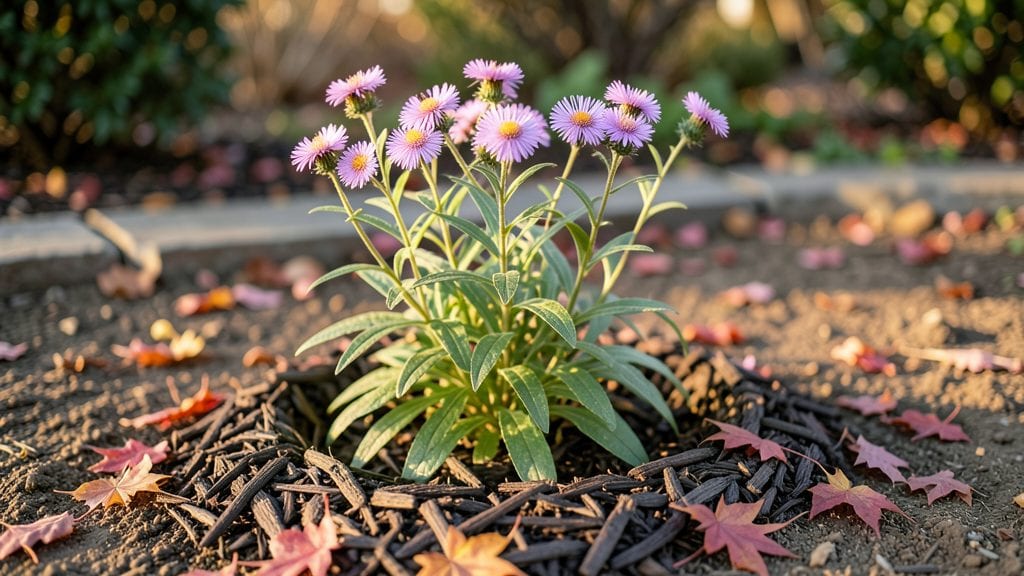
Fall landscaping plants transform your yard from ordinary to showstopping when you pick the right mix of bold foliage and sturdy structure. 🌿 I’ve designed my front yard with fiery maples, textured ornamental grasses, and mums that last until frost—creating a look that’s effortless yet undeniably seasonal.
The secret isn’t just choosing plants; it’s layering heights, textures, and colors so every corner feels intentional.
Start with a few low-maintenance stars: ornamental grasses like Little Bluestem sway in the breeze with minimal care, while chrysanthemums in deep reds and golds deliver instant curb appeal. Pair them with evergreen shrubs for year-round bones, and you’ll skip the winter slump.
Most of these thrive in full sun to partial shade, and their fall colors hold strong through early winter—no extra work required.
By late October, your yard will glow with velvety burgundy leaves, sun-kissed grasses, and the warm amber of fall-blooming trees.
Add a few seasonal accents—think pumpkins in neutral tones or a cozy string of outdoor lights—and you’ve got a space that feels like a cozy autumn retreat. The best part? These plants need one good watering per week once established, so your time is better spent admiring the results.
This works for small city yards or sprawling backyards—just scale the quantities. Whether you’re refreshing an old border or starting fresh, these bold, reliable plants do the heavy lifting while you enjoy the view. Ready to make your fall yard the envy of the neighborhood?
📚 In This Guide
- What you need
- Instructions
- Tips and common mistakes
- Wrapping up and next steps
What you need
- ● Fall-perennial plants: 5–10 mature plants (e.g., Heuchera, Hydrangea, Sedum, or Japanese Maple) – Choose based on your climate zone and sunlight exposure.
- ● Mulch: 2–3 bags (2–3 cubic feet each) of shredded hardwood or pine bark – Helps retain moisture and regulate soil temperature.
- ● Garden soil or compost: 1–2 bags (40 lb each) of organic potting mix or compost – Amends native soil for better drainage and nutrient retention.
- ● Slow-release fertilizer: 1–2 bags (20 lb) of 10-10-10 or 5-10-10 formula – Supports root growth and vibrant foliage.
- ● Garden gloves: 1 pair (waterproof, reinforced) – Protects hands from thorns, dirt, and sharp tools.
- ● Trowel or hand shovel: 1 (5–6 inch blade) – For planting small perennials and breaking up soil.
- ● Garden fork: 1 (heavy-duty, 18-inch) – Loosens compacted soil before planting.
- ● Pruners: 1 pair (bypass pruners, sharp and clean) – For trimming dead foliage or shaping plants.
- ● Watering can or hose with nozzle: 1 – Ensures gentle, even watering (aim for 1–1.5 inches per week).
- ● Measuring tape: 1 (25-foot) – Helps plan spacing for mature plant sizes.
- ● Container garden pots: 2–4 (12–18 inch diameter) – For adding portable fall interest or overwintering tender plants.
- ● Edging tools or landscape fabric: 1 roll – Defines plant beds and suppresses weeds.
- ● Plant stakes or labels: 10–20 (wooden or biodegradable) – Marks new plantings for easy identification.
- ● String lights or solar-powered path lights: 1 set – Adds ambiance to your fall garden after sunset!
How to select and plant fall landscaping plants for seasonal impact
Here's the foolproof approach I use to transform fall gardens into striking, low-maintenance displays.
🌿 Step 1: Choose Plants for Color, Texture, and Seasonal Longevity
Focus on plants with bold fall foliage that transitions naturally into winter structure, like ornamental grasses (e.g., Miscanthus or Panicum), evergreen shrubs (e.g., Ilex or Juniperus), and deciduous trees with fiery hues (Acer rubrum or Ginkgo biloba). I avoid plants that lose all foliage by early winter—they create bare spots that require spring cleanup.
Prioritize height variation: place tall grasses (4-6 feet) at the back, mid-height shrubs (3-4 feet) in the middle, and low-growing perennials (1-2 feet) in front. This creates visual layers that catch light differently as the sun dips lower in fall. For example, I pair **Burning Bush (Euonymus alatus) with Switchgrass (Panicum virgatum) and Dwarf Fothergilla—each contributes texture and color at different heights.
🪴 Step 2: Prepare Planting Sites for Fall Conditions
Fall planting thrives because cooler temperatures reduce transplant shock, but soil prep is critical. Test your soil’s pH and amend with 2-3 inches of compost or aged manure to improve drainage—many fall plants (like Japanese maples) hate soggy roots. I dig holes twice as wide as the root ball but only as deep, placing plants so the top of the root ball sits 1 inch above ground level to prevent settling.
For containers, use well-draining potting mix (never garden soil) and select pots with multiple drainage holes. Group plants with similar water needs—drought-tolerant varieties like Dwarf Ninebark** (Physocarpus opulifolius 'Little Devil') alongside moisture-loving Oakleaf Hydrangea creates maintenance headaches. Always water deeply after planting to eliminate air pockets in the soil.
☀️ Step 3: Plant for Sun Exposure and Wind Protection
Most fall foliage plants need full sun to partial shade (6+ hours of light), but Japanese maples and ornamental cherries prefer morning sun and afternoon shade to prevent leaf scorch. I plant sun-lovers like **Smoke Bush (Cotinus) on the south or west side of beds, while shade-tolerant Oakleaf Hydrangea goes on the north or east.
Shelter new plantings from winter winds by placing them near evergreen windbreaks (e.g., Arborvitae or Leyland Cypress). I also avoid planting near large trees—their roots compete aggressively for water and nutrients, stunting fall color development. If you must plant near trees, use root barriers to protect young plants.
💧 Step 4: Water and Mulch for Fall Establishment
Water newly planted fall specimens deeply once a week (or more in drought) until first hard frost, ensuring the soil stays 2-3 inches moist below the surface. I use a soaker hose to deliver water slowly at the base—overhead watering wastes moisture and spreads disease. Reduce watering in late fall as temperatures drop, but avoid letting soil dry completely.
Apply 3-4 inches of mulch (e.g., shredded bark or pine straw) around the base, keeping it 2 inches away from stems to prevent rot. Mulch insulates roots, moderates soil temperature, and retains moisture—critical for plants like Viburnum that need consistent moisture to develop vibrant fall berries. Replenish mulch annually in early spring.
✂️ Step 5: Prune and Clean Up for Winter Readiness
Prune dead or diseased branches immediately after planting, but avoid heavy pruning—wait until late winter or early spring to shape. I remove only crossing branches or suckers that compete with the main structure. For ornamental grasses, cut back brown foliage in early spring (not fall) to preserve their winter texture and protect emerging shoots.
Remove annuals and weak perennials that won’t overwinter, but leave dried seed heads (e.g., Black-Eyed Susan or Coneflower) for winter interest and wildlife. I also label all new plantings with stakes and tags**—fall foliage can look identical until leaves change, and you’ll thank yourself in spring when it’s time to divide or replace.
Tips & tricks for perfect fall landscaping plantings
Creating a showstopping fall garden takes more than just choosing pretty plants—it's about strategic placement and seasonal care that keeps your landscape thriving through winter.
Seasonal Plant Pairing: In Step 1, when arranging your height layers, consider color progression too. Pair plants with early fall color (like Euonymus alatus) with those that peak later (such as Ginkgo biloba), creating a month-long color show. I like to add Panicum virgatum in front of Acer rubrum—the grasses catch morning light while the maple glows in afternoon sun. This layering creates depth that's especially visible as daylight shortens.
Soil Prep Precision: The 2-3 inches of compost in Step 2 isn't just about nutrients—it's about creating the right soil structure. For heavy clay soils, mix in 1 part perlite to 3 parts compost to improve drainage without sacrificing moisture retention. I test soil pH before amending because Japanese maples (mentioned in Step 2) thrive in acidic soil (pH 5.0-6.5), while Physocarpus opulifolius prefers neutral (6.0-7.0). A simple soil test kit solves this mystery before you plant.
Winter Wind Strategy: When positioning plants in Step 3, think about wind patterns in your specific yard. I always plant Ilex shrubs on the north side of beds—they act as natural windbreaks for more delicate Cotinus behind them. For exposed areas, consider Juniperus varieties with dense growth habits; their evergreen foliage provides year-round shelter while adding texture to your winter landscape.
Mulch Layering Technique: The 3-4 inches of mulch in Step 4 serves multiple purposes beyond insulation. I use shredded hardwood mulch for its slow decomposition rate, then top with 1 inch of pine straw in late fall. The straw adds a natural, rustic look while preventing soil compaction from heavy winter rains. For container plants, I mix mulch with orchid bark to improve aeration—critical for root health in pots.
Pro Tips for Fall Landscaping Plants
- Creating a showstopping fall garden takes more than just choosing pretty plants—it's about strategic placement and seasonal care that keeps your landscape thriving through winter.
- Seasonal Plant Pairing: In Step 1, when arranging your height layers, consider color progression too.
- Soil Prep Precision: The 2-3 inches of compost in Step 2 isn't just about nutrients—it's about creating the right soil structure.
Frequently asked questions
Got questions about transforming your outdoor space with fall landscaping plants? You're not alone! Here are answers to the most common queries to help you create a stunning autumn display with confidence.
When is the best time to plant fall landscaping plants?
For most regions, late summer to early fall (August through October) is ideal. This timing allows roots to establish before winter while avoiding summer heat stress. Pro tip: Check your USDA hardiness zone—cool-season plants like pansies and ornamental kale thrive when planted 6-8 weeks before your first frost.
Can I mix perennials and annuals in my fall garden?
Perennials like Heuchera (coral bells) or Sedum (stonecrop) provide structure year-round, while annuals like Calendula or Zinnias add vibrant pops of color. Pro tip: Plant perennials first for a solid base, then fill gaps with annuals for seasonal flair. Just ensure annuals won’t outcompete slower-growing perennials.
How do I protect my fall plants from pests like slugs or deer?
Slugs love tender foliage—use organic slug bait (like iron phosphate) or beer traps. For deer, opt for deer-resistant plants like Lavender, Russian Sage, or Boxwood. Pro tip: Add a physical barrier (like fencing or netting) around new plantings until they’re established. Repellents with garlic or rotten eggs can also deter browsers!
Do fall plants need less water than summer ones?
Yes! As temperatures drop, most plants require less frequent watering. Water deeply 1-2 times per week (or when the top 1-2 inches of soil are dry) to encourage root growth. Pro tip: Mulch heavily (2-3 inches) to retain moisture and protect roots from temperature swings. Avoid overwatering—fall rains can lead to soggy soil and root rot.
What are the most low-maintenance fall plants for beginners?
Start with hardy, drought-tolerant options like:
- Ornamental Grasses (e.g., Miscanthus or Feather Reed Grass)
- Hydrangeas (especially Oakleaf or Panicle varieties)
- Japanese Maple (for bold foliage with minimal fuss)
- Shrub Roses (like Knock Out® roses)
Wrapping up and next steps
Transforming your outdoor space with fall landscaping plants is easier—and more rewarding—than you think! 🍂 From fiery maples to evergreen shrubs, these plants bring color, texture, and structure to your yard, even as temperatures drop.
Whether you're a seasoned gardener or just starting, now’s the perfect time to plant, prune, and prepare for a stunning autumn landscape.
Ready to get started? Grab your gloves, sketch a quick design, and visit your local nursery—your future fall oasis is just a few plants away! 🌿