
Pests
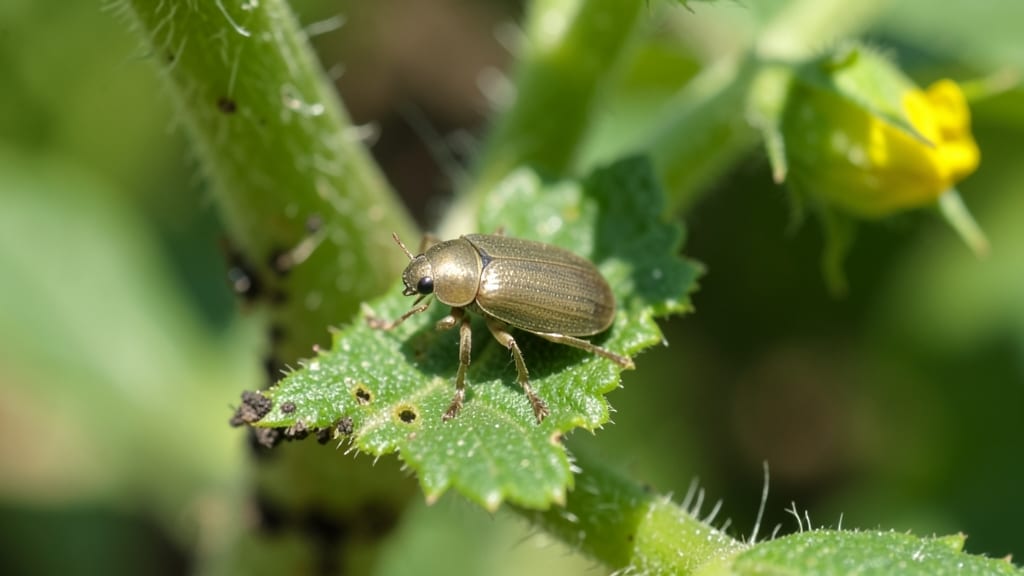
Flea beetles on tomato plants can turn your lush vines into a skeleton in days. ✨ I’ve lost entire tomato crops to these tiny black pests, but I’ve also mastered the 24-hour traps that stop them dead in their tracks—literally.
The key is catching them before they chew through leaves, and these methods work without harsh chemicals.
These beetles love young, tender tomato seedlings, and once they find your plants, they multiply fast. The good news? You don’t need expensive sprays or complicated setups—just a few simple tools like yellow sticky traps, row covers, or even a bucket of soapy water.
I’ve tested all of them, and some catch hundreds of beetles in a single day.
By morning, your plants will look revived, with fewer holes and new growth pushing through. The traps don’t just work—they’re humane, reusable, and safe for pollinators. Plus, once you’ve eliminated the worst of the infestation, companion plants like basil or marigolds help keep them away for good.
Works in backyard gardens, raised beds, or even container setups—just set the traps near your tomato plants at dusk when beetles are most active. Here’s how to make them work for your garden this season.
Root Causes of Flea Beetle Attacks
Flea beetles don’t just randomly decide to feast on your tomato plants—they’re drawn by a mix of environmental cues, plant chemistry, and even human gardening habits. Understanding these triggers is the first step to outsmarting them. Here’s why your tomatoes might be under siege:
Tomato plants release volatile organic compounds (VOCs) when stressed—like a distress signal to insects. Flea beetles, with their razor-sharp jaws and keen sense of smell, detect these chemicals and zero in on vulnerable plants.
- Young, tender leaves are especially rich in nitrogen and water, making them a flea beetle buffet. Seedlings and newly transplanted tomatoes are prime targets.
- Damaged or wilted foliage emits even stronger chemical alerts, inviting more beetles to join the party.
- Certain tomato varieties (like cherry or heirloom types) may produce slightly different VOCs that attract flea beetles more aggressively than hybrid varieties.
Actionable insight: If you notice beetles swarming, check for hidden stress signs—overwatering, nutrient deficiencies (like yellowing leaves), or even nearby weeds acting as beetle magnets.
Flea beetles are cold-blooded opportunists, and their activity spikes under specific conditions:
| Factor | Why It Matters |
|---|---|
| 🌞 Warm, sunny days (60–85°F) | Beetles become active, fly to plants, and feed aggressively. Cloudy, humid days slow them down. |
| 🌧️ Dry soil | Stressed plants release more VOCs, and beetles prefer crunchy, water-deprived leaves. |
| ⏳ Early spring/late winter | Beetles emerge from overwintering sites (like leaf litter or garden debris) as soon as soil warms. |
Pro tip: Monitor your local frost dates—flea beetles typically appear before your tomatoes do, giving them a head start on your crop. 💡
Even well-meaning gardening practices can create a flea beetle paradise. Here’s how:
- Poor garden hygiene: Leftover plant debris (especially from last year’s tomatoes) provides shelter for overwintering beetles. Solution: Clean up garden beds in fall.
- Overcrowded plants: Dense foliage traps heat and humidity, creating a beetle-friendly microclimate. Solution: Space tomatoes 18–24 inches apart.
- Using mulch too early: Fresh mulch can attract beetles if applied before plants are established. Solution: Wait until seedlings are 2–3 inches tall.
- Ignoring nearby weeds: Wild mustards, pigweed, and nightshade weeds (like ground cherries) are flea beetle favorites. Solution: Pull weeds within 10 feet of your tomato patch.
Key takeaway: Flea beetles exploit gaps in your defenses. A single overlooked weed or a late spring cleanup can turn your garden into their personal buffet. 🎯
Now that you know why these pests target your tomatoes, the next step is turning the tables with humane, fast-acting traps. Stay tuned!
Quick Fixes for Tiny Tomato Troubles
Flea beetles may be small, but their damage can feel massive—especially when your tomato plants are under siege. The good news? You don’t need harsh chemicals to reclaim your garden.
Below, we’ve mapped practical, humane solutions directly to the root causes of infestations, plus prevention tips to keep your tomatoes thriving. Let’s tackle this step by step!
If you spot tiny holes (like shotgun pellets!) or wilting leaves, act now. Flea beetles multiply quickly, so early intervention is key.
👨🍳 How to do it: - Handpick adults (yes, really!). They’re easy to spot—tiny, black, and super fast.
Drop them into soapy water (a humane way to say goodbye). - Shake plants gently over a bucket of soapy water in the early morning when beetles are sluggish. ⏰ Pro tip: Do this for 3–5 days straight to break their cycle.
Flea beetles hate physical barriers. Use these low-tech tricks to protect young seedlings and mature plants alike.
🌱 How to do it: - Row covers (floating fabric tunnels) work like magic. Cover seedlings at planting, then remove when flowers appear (beetles avoid pollen). - Collar seedlings with cardboard egg cartons (cut to size) or toilet paper rolls buried 1–2 inches into the soil.
Beetles can’t jump over them! - Diatomaceous earth (DE) is a last-resort powder that dehydrates beetles. Sprinkle lightly around the base of plants (avoid windy days—it’s messy!).
Flea beetles love certain plants more than tomatoes. Use this to your advantage!
🎯 How to do it:
- Plant radishes, mustard greens, or Swiss chard near your tomatoes.
- Check traps daily for beetles (they’ll gather on these plants).
- Drown them in soapy water or release predatory insects (like ladybugs or lacewings) to clean up the rest.
✨ Pro tip: Rotate trap crops weekly to keep beetles confused—and hungry elsewhere!
Some plants repel flea beetles while boosting tomato health. Plant these near (not with) your tomatoes:
| Plant | Why It Works | Planting Tip |
|---|---|---|
| Basil | Masks tomato scent; beetles avoid it. | Place 1–2 plants per tomato stake. |
| Marigolds | Release beetle-repelling compounds. | Interplant every 2–3 feet. |
| Nasturtiums | Trap beetles away from tomatoes. | Use as a border plant. |
| Onions/Garlic | Strong scent deters beetles. | Scatter cloves around the base. |
Healthy soil = strong plants = fewer pest problems. Flea beetles target stressed tomatoes, so give your plants the best defense:
💡 How to do it: - Mulch heavily with straw or grass clippings to retain moisture (beetles love dry, weak plants). - Avoid over-fertilizing with nitrogen—it attracts beetles.
Instead, use balanced fertilizer (like 5-5-5) or compost tea. - Water deeply in the morning (1–2 inches per week). Wet soil washes away eggs and deters adults.
Once you’ve kicked them out, lock them out with these long-term strategies:
- Rotate crops annually—flea beetles return to the same spot. - Clean up debris in fall (beetles overwinter in dead plants). - Plant tomatoes later in the season (beetles emerge in late spring/early summer). - Encourage predators: Birds, toads, and ground beetles love flea beetles.
Add a birdbath or log pile to attract them.
Final Thought: Flea beetles are a nuisance, but with these targeted, chemical-free methods, you’ll have your tomato plants back in business in no time. Start with one or two fixes, monitor daily, and adjust as needed. Happy gardening! 🍅🌿
Frequently asked questions
What do flea beetle holes on tomato leaves look like?
Flea beetle damage appears as tiny, irregular holes—almost like someone shot your leaves with a shotgun! These holes are usually 1/16-inch wide and scattered randomly across the edges of younger leaves. Severe damage can make leaves look lace-like or skeletonized.
Are flea beetles harmful to tomato fruit?
While they primarily feed on leaves, heavy infestations can stress plants enough to reduce fruit production. The real danger is to young seedlings—they can defoliate plants completely before tomatoes even set fruit. Once plants mature, beetles usually move on to new growth or other crops.
How long does it take for homemade flea beetle traps to work?
Most DIY traps (like yellow sticky cards or soapy water buckets) show results within 24-48 hours if placed correctly. For best results, combine traps with row covers during the day and handpicking at dawn/dusk. Consistent daily checks maximize effectiveness.
Can I use neem oil on tomato plants for flea beetles?
Neem oil works best as a preventive spray, not a cure. Apply it at dusk when beetles are less active, mixing 1 tablespoon per quart of water with a drop of dish soap. Reapply every 5-7 days, but avoid spraying when tomatoes are flowering to protect pollinators.
Will flea beetles come back next year if I don't treat them?
Absolutely—these pests overwinter in garden debris and return stronger each year. The key is fall cleanup: Remove all plant debris, rotate crops, and plant repellent companion plants like basil or marigolds. Consistent prevention reduces annual infestations by 80-90%.