
How To
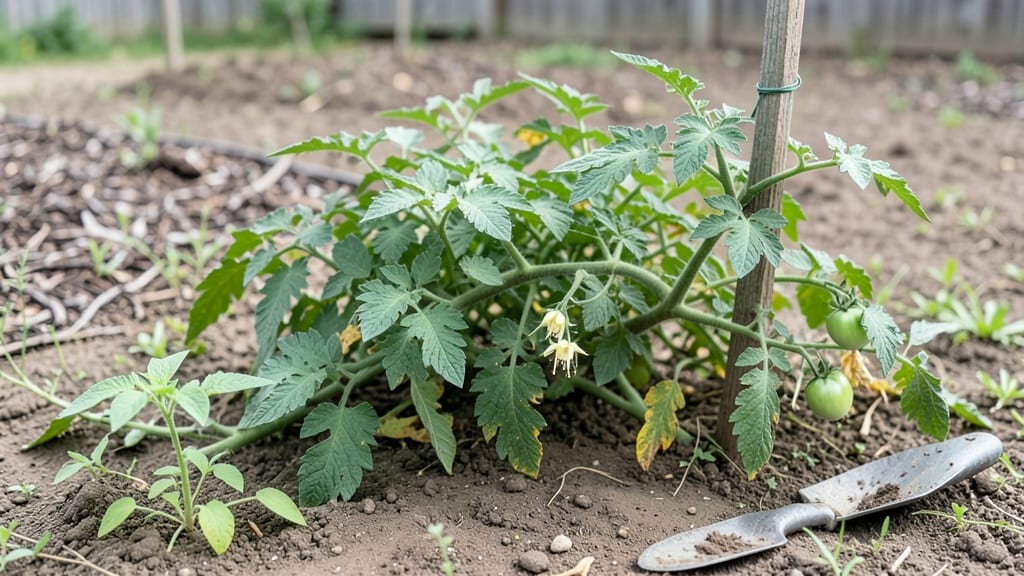
You can plant bell peppers next to tomatoes, but their close proximity increases risks of soil-borne diseases like fusarium wilt and verticillium wilt. Space them 18-24 inches apart, use raised beds or container gardening, and rotate crops annually. Adding basil or marigolds may help deter pests.
While they're both nightshades, bell peppers and tomatoes share vulnerabilities to the same fungal pathogens. The real issue isn't competition for nutrients but soil contamination—these diseases linger in the soil for years. 🌱 I've seen entire garden sections fail when infected plants aren't removed properly.
The key is breaking the pathogen's lifecycle through proper spacing and soil management. Raised beds with fresh soil can cut infection rates by up to 70% compared to in-ground planting.
For best results, I recommend treating your soil with neem oil before planting and monitoring for early symptoms like leaf yellowing. Container gardening works beautifully for both—just ensure pots have drainage holes to prevent waterlogged roots, which pathogens love.
The 18-24 inch spacing isn't just about aesthetics; it creates airflow that helps prevent fungal spores from spreading through splashing water.
💡 In This Article
- Shared Diseases Between Bell Peppers and Tomatoes
- Safe Companion Planting Strategies for Peppers and Tomatoes
Shared diseases between bell peppers and tomatoes
The real danger when planting bell peppers near tomatoes isn't competition but soil-borne fungal pathogens like Fusarium oxysporum and Verticillium dahliae. These microscopic invaders produce microscopic spores that can survive in soil for 15 years or more.
The fungi enter plants through root wounds, creating vascular blockages that starve the plant of water and nutrients. 🌱 What makes this especially problematic is that both bell peppers and tomatoes belong to the Solanaceae family, making them equally susceptible to these diseases.
The infection process begins when fungal spores in the soil germinate near plant roots, producing microscopic threads called hyphae that penetrate root tissues. Once inside, the fungi colonize the xylem vessels—the plant's water transport system—disrupting nutrient flow.
You'll first notice symptoms like interveinal chlorosis (yellowing between leaf veins) followed by wilting, even when soil appears moist. The key factor here is root proximity: when plants are too close, fungal spores can spread through water splashing during irrigation or rain, creating a perfect storm for infection.
What most gardeners don't realize is how these pathogens thrive in waterlogged conditions. The fungi's growth rate increases by 300% in saturated soil compared to well-drained conditions. This is why proper drainage—through raised beds or containers—becomes crucial.
The pathogens also produce chemicals that suppress beneficial soil microbes, creating an environment where only the fungus can prosper. 🌿 The lifecycle becomes self-perpetuating: infected plants weaken, making them more vulnerable to secondary infections.
Here's what happens at the cellular level: The fungi produce enzymes that break down plant cell walls, creating entry points. Once inside, they release toxins that trigger programmed cell death in the plant's vascular system.
This creates visible symptoms like stunted growth and leaf scorch—the plant essentially suffocates from the inside out. The most alarming fact is that these pathogens can be spread through contaminated tools, shoes, or even water from infected plants, making them particularly difficult to eradicate once established.
Consider these key factors when assessing risk: Soil pH between 6.0-7.0 creates optimal conditions for these fungi, while temperatures between 77-86°F accelerate their growth. The pathogens also produce microsclerotia—hard, dormant structures that can survive extreme conditions, including freezing.
This is why crop rotation becomes your most powerful defense: breaking this lifecycle requires removing infected plants and avoiding susceptible crops in the same spot for at least 3-4 years. 💡
The visual symptoms provide crucial early warning signs. Look for yellowing leaves that start at the bottom and progress upward, combined with stunted growth despite adequate watering.
In advanced cases, you'll see vascular discoloration when you cut open stems—brown or black streaks indicate the fungus has established itself in the plant's circulatory system. This stage is often irreversible, making prevention through proper spacing and soil management your best strategy.