Picking
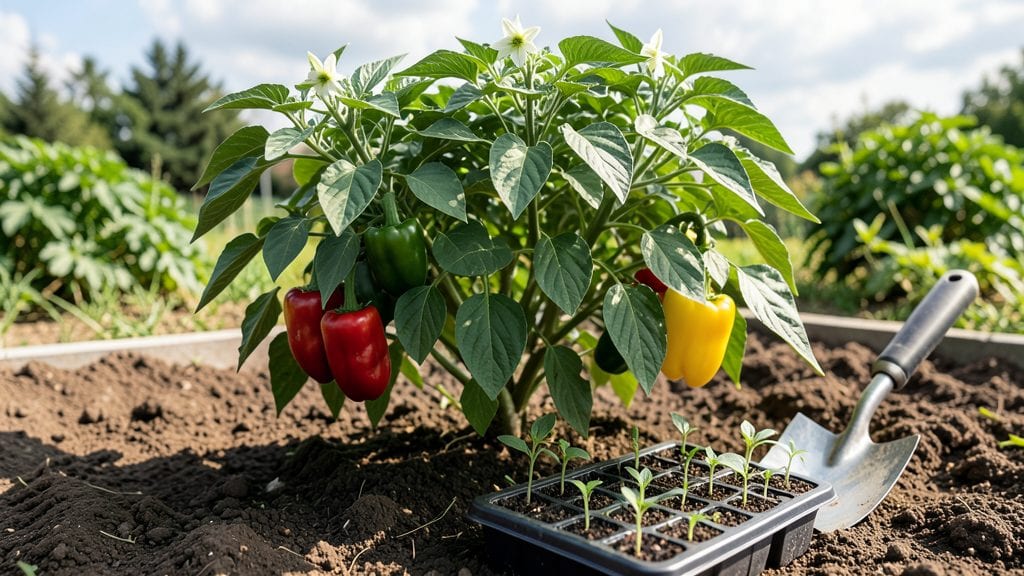
Planting peppers isn't just about sticking seeds in dirt—it's about giving them the exact conditions they crave to turn into productive, sun-drenched powerhouses. 🌿 I learned the hard way that cramming plants together or planting too early leads to stunted growth, fewer peppers, and a whole lot of frustration.
The key is warm soil, proper spacing, and knowing when to get them in the ground so they don't bolt or wilt.
You'll need well-draining soil mixed with compost, a sunny spot that gets at least 6-8 hours of direct sunlight daily, and a little patience for the 10-14 days it takes for seeds to germinate.
Most beginners overlook the importance of soil temperature—peppers won't sprout until it hits 65°F—and that's when problems start. Start indoors 8-10 weeks before your last frost or wait until after all danger of frost has passed if direct-sowing.
Once planted, peppers reward you with glossy green leaves and sturdy stems that support heavy fruit. With the right spacing—18-24 inches apart for bush types, 24-36 inches for larger varieties—you'll avoid crowded plants that spread disease and compete for nutrients.
By midsummer, you'll be harvesting peppers that outperform anything you've grown before, and the secret was all in the setup.
This method works for both bell and hot peppers, whether you're growing in raised beds, containers, or straight in the ground. The biggest mistake? Rushing the process—peppers are warm-season divas that need time to establish before they'll produce. Here's how to get it right the first time.
📚 In This Guide
- What you need
- Instructions
- Tips and common mistakes
- Wrapping up and next steps
What you need
- ● Pepper plants: 5–10 seedlings or seeds (choose varieties like jalapeño, bell, or habanero based on your climate and taste).
- ● Well-draining potting mix or garden soil: 1–2 bags (amend with compost for nutrients).
- ● Containers or garden bed: For containers: 5–10 gallon pots (minimum 12" depth) with drainage holes.
- ● For in-ground planting: A sunny spot (6+ hours of sunlight) with loose, fertile soil.
- ● Fertilizer: Balanced organic fertilizer (10-10-10 or compost tea) to kickstart growth.
- ● Watering can or hose: With a gentle spray nozzle for even moisture.
- ● Mulch: Straw or shredded leaves (1–2 inches) to retain soil moisture.
- ○ Stakes or cages (optional but helpful): 3–4 ft tall to support taller varieties.
- ● Soil pH test kit (peppers prefer 6.0–6.8).
- ● Epsom salt (for magnesium boost, 1 tbsp per plant every 2–3 weeks).
- ● Row covers (to protect seedlings from pests or cold snaps).
- ● Pruning shears (for trimming leggy growth or dead leaves).
- ● Plant markers (to label varieties and track progress!).
Step-by-step instructions for planting peppers with perfect spacing
Here’s the foolproof method I use to plant peppers so they thrive—not crowd each other.
🌱 Step 1: Choose the Right Spot and Prepare the Soil
Peppers need full sun—at least 6-8 hours daily—so pick a location that gets morning light and afternoon warmth. Avoid spots where tomatoes or peppers grew last year (disease risks). Work in 2-3 inches of compost into the top 6 inches of soil to loosen it and improve drainage.
Test your soil’s moisture by squeezing a handful—it should crumble easily but not fall apart. If it’s too dense, mix in 1-2 inches of coarse sand to help roots spread. Peppers hate soggy feet, so good drainage is non-negotiable. I like to dig a small hole with my fingers to check for standing water before planting.
🪴 Step 2: Plant Seeds or Transplants at the Right Depth
If starting from seeds, plant them ¼ inch deep in 2-3 inch pots filled with seed-starting mix. Space seeds 1 inch apart in each pot—peppers are picky about crowding even early on. Cover them lightly with soil and mist until damp, not soaked. Keep pots in a warm spot (70-80°F) until sprouts appear in 7-14 days.
For transplants, dig holes twice as wide as the root ball and 1 inch deeper than the pot. Gently remove the plant, loosen the roots if they’re circling, and place it in the hole so the top of the root ball sits ½ inch below soil level. This encourages stronger root growth. I always firm the soil around the base with my fingers to eliminate air pockets.
☀️ Step 3: Space Plants for Optimal Airflow and Growth
Peppers need room to breathe—18-24 inches apart in rows 24-36 inches apart. Crowding leads to poor air circulation, which traps moisture and invites fungal diseases like powdery mildew. If you’re short on space, use container gardening with 5-gallon pots, spacing them 12-18 inches apart.
Here’s the trick: Plant in a grid pattern, not rows. This maximizes sunlight exposure for every pepper. After planting, water deeply to settle the soil and encourage roots to spread. You’ll know you’ve done it right when the soil around the base looks slightly compressed but not hardened.
💧 Step 4: Water and Mulch for Consistent Moisture
Water peppers 1 inch per week, more in extreme heat. Use a drip irrigation system or water at the base early in the morning to avoid wetting leaves (this prevents disease). Let the top 1-2 inches of soil dry out between waterings—peppers are drought-tolerant but hate soggy roots.
Spread 2-3 inches of mulch around each plant, keeping it 2 inches away from the stem. Organic mulch like straw or shredded leaves keeps soil cool and retains moisture. Replenish mulch every 4-6 weeks as it breaks down. You’ll see healthier plants with fewer pests and less stress when the soil stays consistently moist but not waterlogged.
✂️ Step 5: Prune and Support for Bigger Harvests
Once peppers reach 12-18 inches tall, pinch off the first few flowers to encourage bushier growth. This gives the plant energy to develop a stronger root system and more branches. Use your fingers to gently twist off small flowers—no need for pruners. Leave the rest to fruit naturally.
For taller varieties, install stakes or cages at planting time. Tie stems loosely with soft fabric strips (never wire—it cuts into plants). Prune any suckers (side shoots) that form in the leaf axils to direct energy to fruit production. You’ll know you’re on the right track when plants have 3-5 main stems and a full canopy of leaves by midseason.
Tips & tricks for perfect pepper planting
Here's what I learned from years of trial and error to help your peppers thrive from the start.
Sunlight Strategy: That 6-8 hours of full sun is non-negotiable, but here's the secret: morning sun is more important than afternoon. If you're in a hot climate, afternoon shade can actually protect peppers from scorching while still giving them plenty of light. I've noticed my peppers produce more fruit when they get that morning warmth to kickstart their day.
Soil Test Tip: Before planting, do this quick soil check: squeeze a handful of moist soil—if it crumbles easily but holds its shape, you're good. If it sticks together like clay, mix in that 1-2 inches of coarse sand as mentioned. I've had peppers drown in heavy clay soil before, and it's a heartbreaker watching them struggle.
Transplant Hack: When planting those 2-3 inch pots, gently press the sides to encourage roots to spread outward before planting. This helps them establish faster. Also, if your transplants are root-bound, make a few small cuts around the edges of the root ball with a clean knife—this gives roots a head start growing into your garden soil.
Watering Wisdom: The 1 inch per week guideline works for average conditions, but adjust for your climate. In my experience, peppers in containers dry out faster than in-ground plants, so I water mine every 2-3 days in summer heat. The key is that top 1-2 inches of soil should dry out between waterings—stick your finger in to check!
Pro Tips for Planting With Peppers
- Here's what I learned from years of trial and error to help your peppers thrive from the start.
- Sunlight Strategy: That 6-8 hours of full sun is non-negotiable, but here's the secret: morning sun is more important than afternoon.
- Soil Test Tip: Before planting, do this quick soil check: squeeze a handful of moist soil—if it crumbles easily but holds its shape, you're good.
Frequently asked questions
Got questions about planting peppers? You’re not alone! Here are some of the most common queries—and their answers—to help you grow a thriving pepper garden with confidence.
When is the best time to plant pepper seeds or seedlings?
Peppers are heat-loving plants, so wait until after the last frost (when soil temps hit at least 60°F/15°C). Start seeds indoors 8–10 weeks before transplanting or buy healthy seedlings from a nursery. If your climate is warm year-round, plant in early spring for a summer harvest.
How far apart should I space pepper plants?
Spacing matters! Give bell peppers 18–24 inches apart in rows 24–36 inches apart, while hot peppers (like jalapeños) can snuggle closer at 12–18 inches apart. Taller varieties (like banana peppers) need 24+ inches to avoid shading. Pro tip: Use mulch to retain moisture and reduce competition.
Why are my pepper plants wilting or turning yellow?
Yellowing leaves or wilting often signal overwatering, underwatering, or nutrient deficiencies. Check soil moisture—peppers like consistent dampness (not soggy!). Yellow lower leaves? It’s normal aging. Crispy edges? Boost humidity or water deeply. Pale leaves? Feed with a balanced fertilizer (like 10-10-10) or compost.
Can I plant peppers in containers? What’s the best setup?
Peppers thrive in containers as long as the pot is at least 12–18 inches deep (bigger for bushier varieties). Use well-draining soil with a 5-gallon minimum per plant. Add tomato cages or stakes for support, and place pots in full sun (6+ hours/day). Bonus: Containers warm up faster in spring!
What can I plant near peppers to improve growth?
Peppers love companion plants that repel pests or attract pollinators. Try:
- Basil – Deters pests like thrips and improves flavor.
- Marigolds – Natural pest repellent (especially for aphids).
- Onions/garlic – Keep spider mites away.
- Avoid planting near: Fennel or brassicas (cabbage family), which stunt growth.
How long does it take for pepper plants to produce fruit?
Patience pays off! From seed, peppers take 60–90 days to mature, while seedlings may fruit in 45–60 days if given ideal conditions (warmth, sun, and consistent care). Hot peppers often mature faster than bells. Harvest early to encourage more production!
Wrapping up and next steps
Planting peppers with the right spacing and sun-loving care is your ticket to a vibrant, productive garden! 🌱 Whether you're a beginner or a seasoned gardener, these sun-loving spacing secrets will help you maximize your harvest—so get ready to enjoy fresh, homegrown peppers all season long. Now’s the perfect time to roll up your sleeves, grab your gloves, and start planning your next planting session!
Your next step? Sketch a quick layout of your garden beds or containers, mark your pepper spots, and get those seeds or seedlings in the ground. Happy planting—and here’s to a spicy, bountiful harvest! 🌶️✨