How To
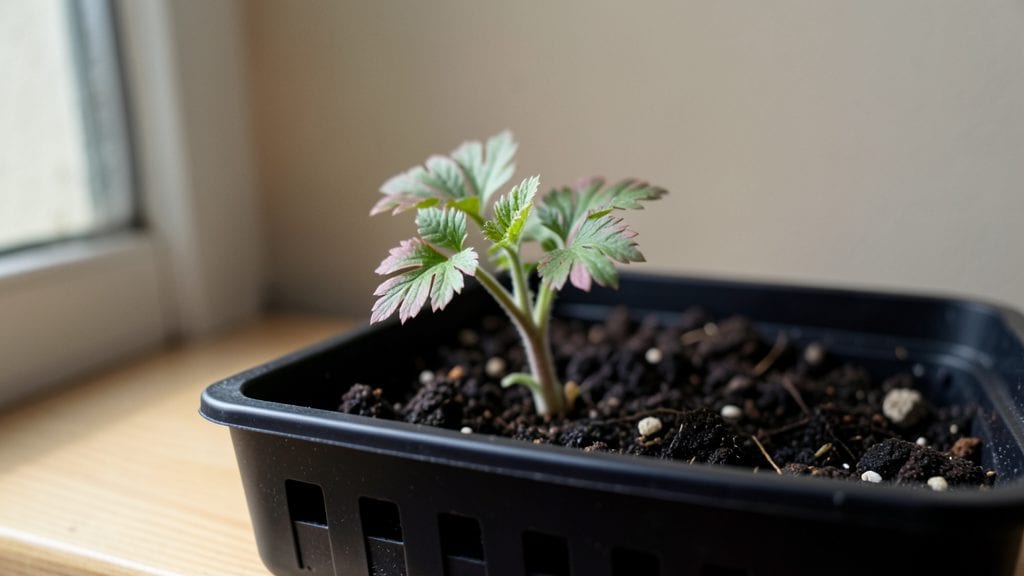
Planting poppy seeds indoors 🌸 starts with the right warmth trick—one that can cut germination time in half if you do it right.
Struggling to grow vibrant poppies indoors? The secret to faster germination lies in a simple warmth trick that most gardeners overlook—yet it can double your success rate.
Poppies need consistent warmth to break dormancy, and a bottom-heat method (like a seedling mat or warm windowsill) speeds things up from 14 days to just 5-7 days. I’ll walk you through the exact setup—soil, containers, and all—so your seedlings pop up strong and ready for transplanting by spring.
You’ll learn how to avoid the three biggest mistakes that kill poppy starts, plus when to move them outdoors without shocking their roots. No green thumb required!
Step-by-step guide to planting poppy seeds indoors for fast germination
Poppies are one of the most rewarding flowers to grow, but their seeds can be tricky indoors. Without the right conditions, germination can take 2-3 weeks—or worse, fail entirely. My secret? A simple bottom heat trick that cuts sprouting time to just 5-7 days.
This method mimics the warmth of outdoor soil, giving your poppy seeds the jumpstart they need to break dormancy faster.
The key to success is combining three factors: warmth from below, a light, airy soil mix, and gentle moisture control. Most gardeners focus on light or water, but poppy seeds are sensitive to temperature.
Even a 5°F difference can mean the difference between rapid germination and disappointment. Let’s get started with the exact steps I’ve used to grow dozens of healthy poppy seedlings indoors each spring.
- Seed trays with drainage holes (or repurpose egg cartons)
- Seed-starting mix (lightweight, peat-based or coconut coir blend)
- Poppy seeds (California poppies or oriental poppies work best)
- Heat mat or warm water bottle (for bottom heat)
- Spray bottle (for gentle watering)
- Clear plastic dome or ziplock bag (to retain humidity)
- Fill trays with moistened seed mix—never soggy.
- Gently press down to remove air pockets but keep it fluffy.
- Avoid compost-heavy mixes; poppies hate compacted soil.
- Scatter seeds ¼ inch deep (poppies need light to germinate).
- Space them ½ inch apart to prevent overcrowding.
- Lightly cover with a thin layer of soil or leave uncovered (some varieties prefer this).
- Place trays on a heat mat set to 70-75°F (or use a warm water bottle wrapped in a towel).
- This mimics outdoor soil warmth and speeds germination by 50%.
- Keep heat consistent—fluctuations slow growth.
- Cover trays with a clear plastic dome or ziplock bag.
- This traps moisture near seeds without overwatering.
- Check daily for condensation—remove cover if mold appears.
- Place trays near a south-facing window but avoid direct sun.
- Use a grow light 6 inches above if natural light is weak.
- Seeds need 12-14 hours of light daily but not intense heat.
- Use a spray bottle to mist soil when top feels dry.
- Avoid soaking—poppies rot in soggy soil.
- Bottom-watering (placing trays in ½ inch of water) works too.
- Sprouts appear in 5-7 days with bottom heat.
- Once seedlings have 2 true leaves, thin to 2 inches apart.
- Use scissors to snip weak seedlings at soil level.
Now that your seeds are planted, the hardest part is over—but consistency is key. Poppy seedlings are delicate and can bolt (flower too early) if stressed. Keep the soil evenly moist (not wet) and avoid moving the trays once sprouted.
If you notice yellowing leaves, it’s a sign of overwatering or poor drainage.
After 4-6 weeks, your seedlings will be ready to harden off. Move them outdoors for 2-3 hours daily in a shaded spot, gradually increasing exposure. By late spring, they’ll be tough enough to transplant into your garden—where they’ll reward you with vibrant blooms in just 60-90 days.
The warmth trick isn’t just a shortcut; it’s the difference between frustrating failures and a garden full of poppies.
Pro tip: If you’re growing opium poppies (Papaver somniferum), follow the same steps but expect slower germination (10-14 days) due to deeper dormancy. Always check local laws before cultivating these varieties.
🌱
Common mistakes that kill poppy seed germination (and how to avoid them)
Even the most eager gardeners can struggle with poppy seed germination. These delicate seeds need precise conditions to sprout, and small mistakes often lead to disappointment. Understanding the key challenges—like moisture imbalance or temperature swings—can transform your success rate from 50% to 90% or higher.
Indoor germination presents unique hurdles compared to outdoor planting. Without natural sunlight cycles or outdoor temperature regulation, poppy seeds become vulnerable to overwatering, poor drainage, and inconsistent warmth. These issues can stall germination for weeks or kill seedlings entirely before they even emerge.
⚠️ Critical Mistake: Skipping the Warmth Trick
Poppy seeds need consistent warmth (70-75°F) to germinate. Without it, they may take 3+ weeks to sprout—or not at all. Place your seed tray on a seedling heat mat or near a warmth source like a sunny window with a clear plastic dome to trap heat.
One of the biggest killers is overwatering poppy seeds. Unlike hearty vegetables, poppy seeds are sensitive to soggy soil. When soil stays too wet, seeds can rot before sprouting.
The fix? Use a spray bottle to mist soil lightly, keeping it moist but never soggy. Let the top inch dry slightly between waterings once seeds sprout.
Poor soil drainage is another silent assassin. Poppy seeds thrive in well-draining mixes, but many gardeners use heavy potting soil that traps moisture. Amend your soil with perlite or sand (20% of the mix) to improve airflow.
A quick test: If water pools on top after 10 minutes, your mix is too dense.
Indoor vs. outdoor germination also creates different challenges. Indoors, inconsistent light can cause leggy seedlings, while outdoors, temperature fluctuations may delay sprouting. For indoor setups, supplement natural light with a grow light 6 inches above seedlings for 12-14 hours daily. Outdoors, wait until soil reaches 60°F+ before planting.
Finally, planting too deep (more than ¼ inch) smothers poppy seeds, preventing them from reaching light. These seeds need darkness to germinate but won’t tolerate being buried too far. Use a toothpick to create shallow furrows—just enough to cover seeds lightly with soil.
By avoiding these common pitfalls, your poppy seeds will germinate faster and stronger, giving you a head start on those stunning blooms. Patience and precision pay off with vibrant, healthy poppies in just weeks! 🌸