Planting
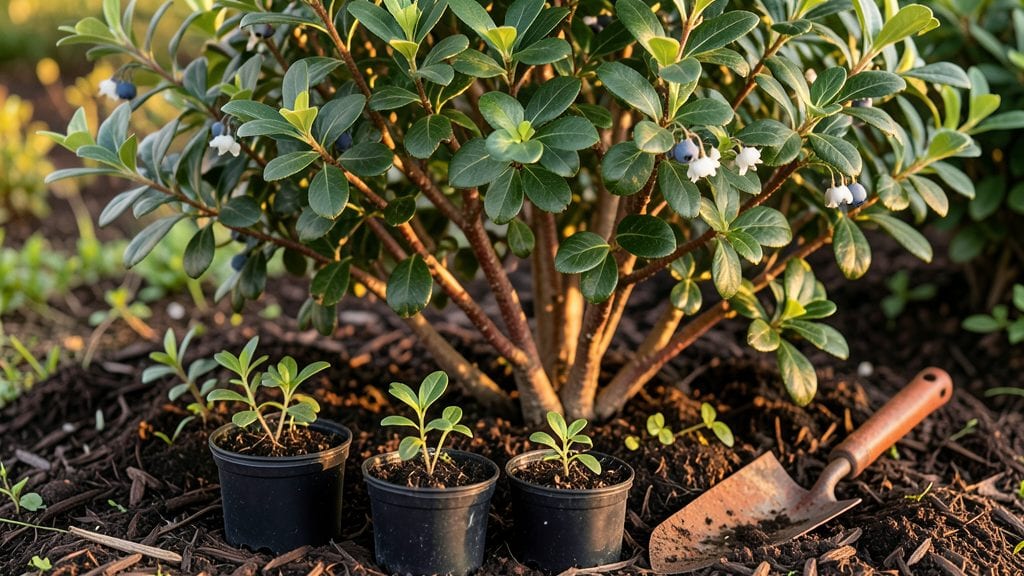
Here are some blueberry planting tips that will transform your garden—start with the right variety and soil, or risk ending up with just two meager bushes instead of buckets of fruit. 🌿 alkaline soil, but once I adjusted the pH and picked the right type, those same bushes now produce enough berries to share with neighbors every summer.
The trickiest part isn’t digging holes—it’s matching your climate to the blueberry type. Northern varieties like ‘Bluecrop’ thrive in cooler zones, while southern types like ‘Climax’ handle heat better.
Acidic soil (pH 4.5-5.5) is non-negotiable, and drainage must be perfect—soggy roots mean no fruit. Even spacing (4-6 feet apart) prevents overcrowding, and mulch keeps roots cool and moist.
📚 In This Guide
- What you need
- Instructions
- Tips and common mistakes
- Wrapping up and next steps
What you need
- ● Blueberry plants: Purchase 3–5 healthy nursery-grown bushes (choose varieties suited to your climate, like Southern Highbush, Northern Highbush, or Rabbiteye). Opt for 1-year-old bare-root plants or container-grown (3–4 gallon pots) for best results.
- ● Well-draining soil: Blueberries thrive in acidic soil (pH 4.5–5.5). Use a mix of peat moss, pine bark, or composted pine needles to amend garden soil if needed.
- ● Organic mulch: 3–4 inches of pine straw, wood chips, or shredded leaves to retain moisture and acidify soil over time.
- ● Fertilizer: A balanced acid-loving plant fertilizer (10-10-10 or 8-3-9) or cottonseed meal (for organic gardens) to provide nitrogen.
- ● Soil pH test kit: Essential for monitoring acidity levels—adjust with sulfur or aluminum sulfate if pH is too high.
- ● Garden tools: Trowel or hand shovel
- ● Pruners (sterilized)
- ● Garden fork or spade
- ● Measuring tape or ruler
- ● Watering supplies: Hose with a gentle spray nozzle (avoid overhead watering)
- ○ Drip irrigation system (optional but ideal for consistent moisture)
- ● Epsom salt: A quick fix for magnesium deficiency (mix 1 tbsp per gallon of water for foliar spray).
- ● Blueberry plant food: Specialized granules like Espoma Blueberry Acidifier for targeted nutrition.
- ● Row covers or netting: Protects bushes from birds and pests during fruiting season.
- ● Stakes or cages: Supports young plants if they’re prone to toppling in windy areas.
- ● Garden journal: Track planting dates, pH levels, and harvest times for future reference!
Step-by-Step blueberry planting tips for a thriving bush
Here's how to plant blueberries the right way—so you'll have berries for years.
🌱 Step 1: Choose the Perfect Planting Spot
Blueberries need full sun—at least 6 hours daily, though they tolerate light shade in hot climates. Pick a location with well-draining soil; they hate soggy roots. I always test drainage by digging a 1-foot hole—if water pools after 30 minutes, amend the soil with 2 inches of compost or plant on a slight mound.
Acidic soil is non-negotiable—aim for a pH between 4.5 and 5.5. If your soil tests higher, mix in 2 pounds of peat moss or sulfur per planting hole. I use a simple pH test kit to check before planting; it’s worth the $10 to avoid years of poor yields.
🪴 Step 2: Plant at the Right Depth and Spacing
Dig a hole twice as wide as the root ball but only as deep—planting too deep suffocates roots. Loosen the roots gently if they’re circling the pot, then place the bush in the hole so the top of the root ball sits 1 inch above soil level. This prevents water from pooling at the stem.
Space bushes 4-6 feet apart for southern varieties and 6-8 feet apart for northern types. Crowding leads to disease and poor fruit production. I like to plant in a slight trench with a 1-inch layer of pine needles (from the list) around the base—this mimics their natural acidic habitat.
☀️ Step 3: Mulch and Water for Establishment
Spread 3 inches of pine bark mulch around the base, keeping it 6 inches away from the stem. This mulch slowly releases acidity and retains moisture. Water deeply right after planting—soak the soil until it’s 6 inches deep—then water 1-2 times weekly to keep the top 2 inches moist.
Blueberries are shallow-rooted, so consistent moisture is key. I use a rain gauge to track watering; if it rains 1 inch or more, skip the hose. Overwatering causes root rot, and underwatering stresses the plant. After 4 weeks, you’ll see new growth—this means your bush is settling in.
✂️ Step 4: Prune for Shape and Health
Prune in late winter or early spring before buds swell. Remove dead or crossing branches first, then cut back 1/3 of the oldest wood to encourage new growth. I use clean, sharp shears to make cuts at a 45-degree angle, just above a bud or branch junction.
Thin out crowded stems to improve airflow—this reduces fungal diseases like botrytis. After pruning, fertilize with 1/2 cup of acid-loving plant food (from the list) mixed into the soil around the base. You’ll see fresh, vibrant leaves within 3-4 weeks, signaling the plant is recovering well.
Tips & tricks for perfect blueberry planting
These three game-changing tricks will help you avoid common pitfalls and set your blueberry bushes up for years of bountiful harvests.
Soil Prep Secret: Before planting, I always mix 1/2 cup of garden sulfur into the bottom of the hole—this ensures the roots start in properly acidic soil right away. The 2 pounds of peat moss or sulfur mentioned in Step 1 is crucial, but adding sulfur directly to the planting hole gives an extra boost during the critical first few weeks. Test your soil again in 6 months to confirm it's staying in that 4.5-5.5 pH range—this is the single most important factor for blueberry success.
Root Ball Rescue: If you notice roots circling tightly in the pot (which happens with container-grown bushes), make 2-3 vertical cuts around the root ball with a clean knife before planting. This encourages roots to spread outward into your prepared soil instead of staying compacted. I do this even with nursery plants that look well-rooted—it's a quick 2-minute fix that makes a huge difference in establishment.
Watering Watch: The 1-2 times weekly watering guideline in Step 3 assumes average conditions, but I've learned the hard way that this can vary wildly. In hot summer months, you might need daily watering to keep that top 2 inches moist. A simple way to check: stick your finger about 2 inches down—if it feels dry, water. Overwatering is just as bad as underwatering, so always let the top inch dry out between waterings after the initial 4-week settling period.
Pruning Pro Tip: When you're cutting back 1/3 of the oldest wood in Step 4, look for branches that are thinner than a pencil—these are the ones to remove. The remaining branches should be about pencil thickness or thicker. I mark the cuts with a piece of chalk before making them to ensure I'm cutting at that 45-degree angle just above a bud. This precision makes all the difference in how the bush recovers.
Pro Tips for Blueberry Planting Tips
- These three game-changing tricks will help you avoid common pitfalls and set your blueberry bushes up for years of bountiful harvests.
- Soil Prep Secret: Before planting, I always mix 1/2 cup of garden sulfur into the bottom of the hole—this ensures the roots start in properly acidic soil right away.
- Root Ball Rescue: If you notice roots circling tightly in the pot (which happens with container-grown bushes), make 2-3 vertical cuts around the root ball with a clean knife before planting.
Frequently asked questions
Got questions about growing your own blueberry patch? You’re not alone! Here are answers to the most common queries—from timing to troubleshooting—to help you plant with confidence.
When is the best time to plant blueberry bushes?
Plant bare-root blueberries in early spring (before buds swell) or late fall (6–8 weeks before frost). Container-grown bushes can go in anytime their soil isn’t frozen. Pro tip: Avoid planting in summer heat—transplant shock is worse when roots struggle to establish!
How long does it take for blueberry bushes to produce fruit?
Patience is key! Southern highbush varieties may bear fruit in 1–2 years, while rabbiteye and northern highbush types can take 2–3 years. Focus on soil prep, watering, and mulching to speed up the process. Fertilize lightly in the first year to encourage root growth over fruit production.
Can I grow blueberries in containers or small spaces?
Dwarf varieties like ‘Top Hat’ or ‘Peach Sorbet’ thrive in 5-gallon pots with well-draining soil. Use a balanced fertilizer (like 10-10-10) and acidic soil mix (pH 4.5–5.5). Place containers in full sun and water consistently—containers dry out faster than garden beds!
Why aren’t my blueberries ripening, or are they small and tart?
Common culprits: poor pollination (plant 2+ varieties nearby), nutrient deficiencies (add iron or manganese if leaves yellow), or inconsistent watering. Thin fruit clusters early to improve size—overcrowded berries stay tiny! Also, check for pests like blueberry maggots or spider mites.
Do blueberries need acidic soil? How do I test it?
Yes! Blueberries love acidic soil (pH 4.5–5.5). Test with a soil kit (available at garden centers) or send a sample to a local extension office. To lower pH, amend soil with sulfur or peat moss. Avoid lime—it raises pH and harms your bushes!
What’s the easiest way to propagate blueberries?
Try layering! In spring, bend a low branch to the ground, bury a section with soil, and secure it with a rock or stake. Keep the soil moist until roots form (3–6 months). Alternatively, take hardwood cuttings in late winter and root them in perlite. Patience pays off—propagation takes time but saves money!
Wrapping up and next steps
You’ve got all the blueberry planting tips to turn your garden into a sweet, year-round blueberry paradise! 🌱 From picking the right variety and soil prep to mastering pruning and pest control, these tricks will set you up for success.
Remember, patience and consistency are key—your bushes will reward you with juicy berries for decades.
Now that you’re ready to dig in, take the next step—mark your calendar for planting season and gather your supplies. Whether you’re a beginner or a seasoned gardener, every blueberry bush you plant is a step toward a healthier, tastier harvest. Happy planting! 🌟