Plants
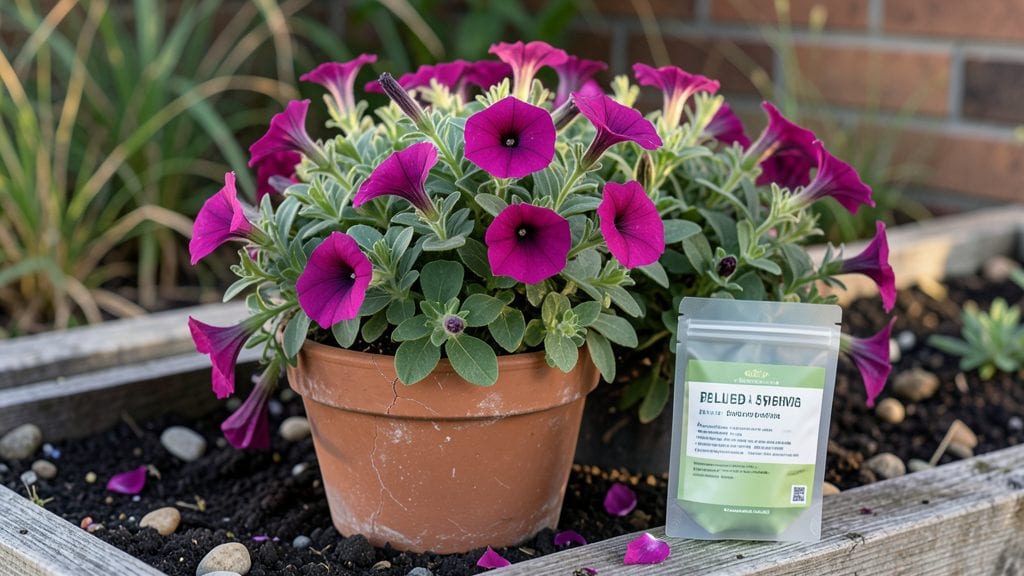
The right petunia plant fertilizer can turn your garden into a nonstop parade of color 🌸—but only if you feed them the way they need it.
Struggling to keep your petunias blooming as vibrantly as they did at the nursery? The secret isn’t just water—it’s the perfect fertilizer blend applied at the right times. Without proper nutrition, even the hardiest petunias fade into lackluster shadows of their potential, and that’s a shame because they deserve better.
Petunias thrive on a balanced diet, but timing matters just as much as the type. Too much fertilizer too soon can burn delicate roots, while skipping feeds during peak bloom season means fewer flowers.
I’ll show you how to match your fertilizer to your petunias’ growth stages—from early spring root boosts to summer bloom maintenance—and avoid the common mistakes that leave your plants looking tired.
By the end, you’ll know exactly which fertilizers work best, how often to apply them, and how to spot when your petunias are hungry—so you can enjoy bold, long-lasting blooms all season long.
Best fertilizers for petunias: organic vs synthetic options compared
Petunias are heavy feeders that demand nutrient-rich soil to produce their show-stopping blooms. The right petunia fertilizer isn’t just about nitrogen, phosphorus, and potassium (NPK)—it’s about matching your petunia variety (trailing, bush, or multiflora) with the perfect feeding strategy.
Organic options like compost tea build soil health long-term, while synthetic fertilizers deliver quick nutrient bursts for instant bloom boosts.
Choosing the wrong fertilizer can lead to leggy stems, fewer blooms, or even burned roots. For example, high-nitrogen fertilizers encourage leafy growth at the expense of flowers, while phosphorus-rich feeds are essential for root development and bloom production.
Let’s break down the best options tailored to your petunias’ needs, so you can enjoy nonstop color from spring to frost.
🌸
| Fertilizer Type | NPK Ratio | Best For | Application Method | Pros | Cons |
|---|---|---|---|---|---|
| Synthetic: Water-Soluble (10-10-10) | 10-10-10 | All petunia varieties, quick blooms | Dilute and water every 2-3 weeks | Fast results, precise nutrient control | Risk of over-fertilizing, not soil-building |
| Synthetic: Slow-Release Granules (14-14-14) | 14-14-14 | Long-term growth, trailing petunias | Sprinkle around base once every 6-8 weeks | Low maintenance, steady nutrient release | Slower to correct deficiencies |
| Organic: Fish Emulsion (5-1-1) | 5-1-1 | Leafy growth, bush petunias | Dilute and water every 3-4 weeks | Improves soil structure, rich in micronutrients | Strong odor, may attract pests |
| Organic: Compost Tea | Varies (low NPK) | Soil health, multiflora petunias | Foliar spray or soil drench weekly | Boosts beneficial microbes, sustainable | Weaker nutrient content, requires frequent use |
| Organic: Bone Meal (3-15-0) | 3-15-0 | Root development, bloom initiation | Mix into soil at planting time | High in phosphorus, encourages flowers | Slow-release, not ideal for ongoing feeding |
For trailing petunias, prioritize balanced synthetic fertilizers like 10-10-10 to maintain their vigorous vine growth and continuous blooms. These varieties need steady nutrition to support their sprawling habit and heavy flower production.
I’ve found that mixing a slow-release granule at planting with weekly liquid feeds during peak bloom keeps them thriving all season.
Bush petunias, on the other hand, respond beautifully to organic options like fish emulsion or compost tea. These fertilizers enhance soil fertility without the risk of salt buildup that synthetic fertilizers can cause. I recommend applying fish emulsion every 3-4 weeks during the growing season to promote compact growth and bold blooms. The added benefit? Your petunias will develop stronger roots, making them more drought-resistant.
If you’re growing multiflora petunias, which produce tiny, clustered flowers, a combination of bone meal at planting and compost tea throughout the season works wonders. Bone meal kickstarts root and bloom development, while compost tea keeps the soil teeming with beneficial microbes that improve nutrient uptake.
This combo ensures your multiflora petunias stay compact and prolific, filling your garden with a sea of color.
One common mistake I see is over-fertilizing with nitrogen-heavy feeds, which leads to
Petunia fertilizing schedule: when and how often to feed for continuous blooms
Petunias thrive on a consistent feeding schedule that matches their growth stages. Skipping or overdoing fertilizer can lead to leggy stems or burned roots, so timing is everything. The key is feeding lightly when they’re establishing roots and more aggressively when blooms demand extra nutrients.
Here’s my proven seasonal plan to keep your petunias flowering like crazy all season.
Start with a balanced starter fertilizer (like 5-10-10) when you plant in spring to jumpstart root growth. Avoid high-nitrogen feeds—they’ll encourage foliage over flowers. Once blooms appear, switch to a phosphorus-rich formula (10-20-10) to fuel those show-stopping blossoms.
The trick is feeding every 2-3 weeks during peak bloom, but cutting back in fall to avoid stress before frost.
For potted petunias, cut fertilizer amounts by half since roots have less soil to absorb nutrients. Always water thoroughly before and after feeding to prevent fertilizer burn. Signs of over-fertilizing include crispy leaf edges or white crust on soil—rinse the roots immediately if you see these.
Pro tip: Use a slow-release granular fertilizer (like Osmocote) at planting for a 3-month nutrient boost. Mix it into the top 2 inches of soil—this cuts down on mid-season feeding. Pair it with compost tea every 4 weeks for organic micronutrients that synthetic feeds miss.
My petunias now bloom from June until frost thanks to this schedule. The secret? Consistency and adjusting for the season. Skip the guesswork—follow this plan, and your petunias will outshine the neighbors’! 🌸