Size
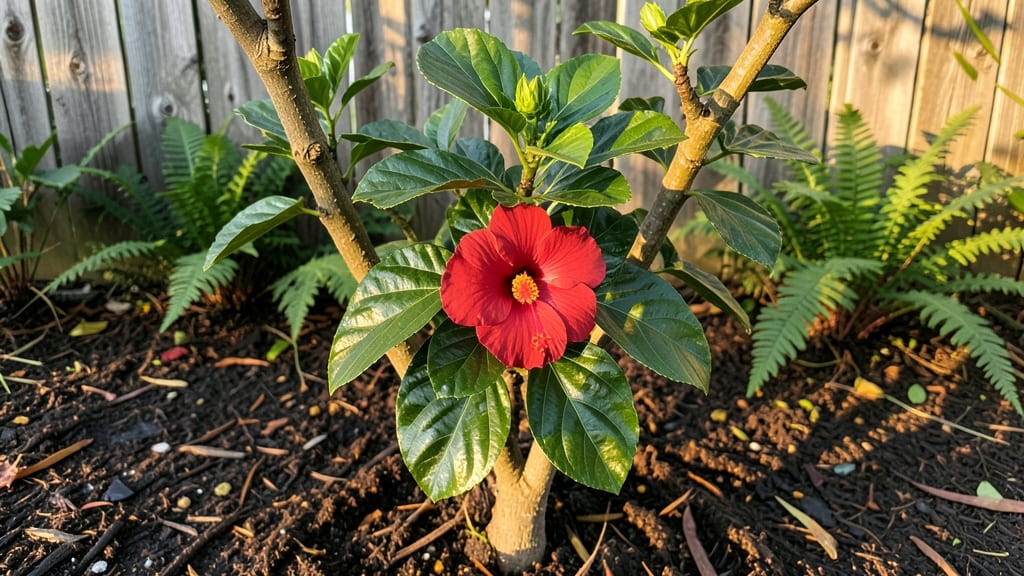
Growing a tall hibiscus plant that reaches sky-high with dramatic blooms isn’t just possible—it’s easier than you think, especially when you skip the heavy pruning most guides recommend. 🌿 I’ve grown these towering beauties for years, and the secret isn’t in constant trimming but in the right variety, soil, and a little patience.
The first time I saw my hibiscus stretch 10 feet tall without a single cut, I knew I’d cracked the code.
Start with a hardy variety like Hibiscus syriacus or Hibiscus moscheutos—both naturally climb and thrive with minimal fuss. These plants love full sun (think 6+ hours daily) and well-draining soil rich in compost.
Overwatering is the real enemy: let the top 2 inches of soil dry out between waterings, and you’ll avoid root rot while keeping those leaves lush and vibrant. The blooms? They’ll reward you with 3-4 inch flowers from midsummer straight through fall.
Here’s the game-changer: prune only to shape, not to control height. In late winter, trim back any dead branches, but leave the rest untouched. By summer, your hibiscus will shoot up like a tropical sentinel, blooming prolifically with almost no effort.
The only challenge is staking—use a 6-foot bamboo stake or trellis to support the weight, and you’re golden. No shears, no stress, just sky-high drama.
Works in zones 5-9, from urban balconies to rural yards, and even thrives in containers if you choose a dwarf variety. The key is letting it grow wild while you handle the basics—sun, water, and a little support.
Ready to watch your garden get a tropical makeover without the upkeep? Let’s get those roots growing.
📚 In This Guide
- What you need
- Instructions
- Tips and common mistakes
- Wrapping up and next steps
What you need
- ● Tall hibiscus plant: Choose a Hibiscus rosa-sinensis variety (e.g., 'Dwarf Red' or 'Samurai') or a tropical species like Hibiscus syriacus (hardy hibiscus) for height. Opt for a 3-5 foot starter plant from a nursery.
- ● Well-draining potting mix: 5 gallons of a blend designed for tropical plants (e.g., 60% peat moss, 20% perlite, 20% compost). Avoid heavy garden soil!
- ● Large container or in-ground plot: Container: A 15-20 gallon pot with drainage holes (minimum 18" diameter for stability). Terracotta or fabric pots work best.
- ● In-ground: A 6x6 foot area with full sun exposure (6+ hours daily) and loose, well-draining soil (amend with compost if needed).
- ● Slow-release fertilizer: 1 lb of a balanced 10-10-10 or 20-20-20 formula (organic options like fish emulsion work too!).
- ● Mulch: 2-3 inches of organic mulch (e.g., pine bark or shredded leaves) to retain moisture and regulate temperature.
- ● Pruning shears: Sharp, bypass-style shears (sterilized with rubbing alcohol) for minimal trimming.
- ● Support stake or trellis: A 6-8 foot bamboo stake or metal trellis to guide vertical growth (especially for Hibiscus syriacus).
- ● Moisture meter: To monitor soil hydration—hibiscus hates soggy roots!
- ● Epsom salt: 1 tbsp monthly for magnesium boost (prevents yellowing leaves).
- ● Plant food spikes: 2-3 slow-release spikes for hassle-free feeding.
- ● Rainwater collector: A 5-gallon jug to water during droughts (hibiscus loves hydration!).
- ● Climate check: Tall hibiscus thrives in USDA Zones 5-11. If you’re in Zone 4 or below, grow in containers and overwinter indoors.
- ● Sunlight commitment: Ensure your spot gets full sun (no shade!). Partial shade may stunt growth.
- ● Patience: Hibiscus grows 2-5 feet per year—sky-high blooms take time (but worth it!).
How to grow a towering hibiscus with minimal pruning
Skip the constant trimming—here's how to coax a naturally tall hibiscus to reach its full potential.
🌱 Step 1: Choose the Right Variety and Planting Site
Start with a hardy tropical hibiscus like Hibiscus rosa-sinensis 'Dwarf Red' or 'Big Island'—these varieties grow tall naturally without aggressive pruning. Plant in well-draining soil enriched with 2-3 inches of compost (mixed into the top 12 inches of soil). Hibiscus roots need room to spread, so dig a hole twice as wide as the root ball but only as deep as the container it came in.
Pick a spot with full sun—at least 6-8 hours daily—and shelter from strong winds. If your climate has frost, plant in containers so you can move it indoors during winter. The key is consistent warmth: hibiscus thrives in 70-85°F and wilts below 50°F. Watch for yellowing leaves after cold snaps—that's your sign to relocate it.
☀️ Step 2: Water Deeply and Strategically
Water once a week during the first month, letting 1 gallon soak into the soil around each plant. Hibiscus roots grow deep, so shallow watering encourages weak, surface roots. After the first month, water only when the top 2 inches of soil feel dry—overwatering causes root rot, which stunts growth. I test this by sticking my finger in the soil; if it's damp past 1 inch deep, wait another day.
Mulch with 2-3 inches of organic mulch (like shredded bark) to retain moisture and protect roots. Keep mulch 6 inches away from the stem to prevent rot. In hot climates, mulch also cools the soil, which hibiscus appreciates. If you see yellowing lower leaves, it might be overwatering—let the soil dry out more between waterings.
💧 Step 3: Feed for Height, Not Just Blooms
Use a balanced 10-10-10 fertilizer (mixed at ½ strength) every 4 weeks from spring through summer. Hibiscus needs phosphorus for strong stems, but too much nitrogen makes it bushy instead of tall. I skip fertilizer in winter—dormant plants don’t need it. For extra height, add 1 tablespoon of Epsom salt (magnesium sulfate) to the soil once a month—it strengthens stems and encourages vertical growth.
Watch for new growth after feeding. Healthy stems should be thick and woody by mid-summer. If your hibiscus grows leggy and weak, it’s either getting too much nitrogen or not enough light. Adjust by moving it to a sunnier spot and switching to a low-nitrogen fertilizer (like 5-5-5) for a month.
✂️ Step 4: Prune Only to Encourage Height
Prune only in late winter or early spring before new growth starts. Cut back 1/3 of the oldest stems to the ground—this removes weak growth and redirects energy upward. Avoid heavy pruning in summer; it stresses the plant and reduces blooms. If you see dead or diseased branches, trim those immediately, but keep cuts clean and angled to prevent water pooling.
Never prune for shape unless you want a bushier plant. For a tall hibiscus, skip the shears after the initial spring trim. The goal is to let it grow naturally—6-10 feet tall in ideal conditions. If a branch gets too long, you can pinch the tip (remove the top inch) to encourage side branches, but this slows vertical growth.
🌿 Step 5: Support and Protect for Maximum Height
Install a 6-foot bamboo stake or trellis next to the plant in early spring. Tie the main stem to the stake with soft plant ties (like old T-shirts or horticultural tape) as it grows. Hibiscus stems are flexible but can bend under heavy blooms. Reposition ties every 2 weeks to avoid girdling the stem. If you see leaves wilting on one side, the plant is leaning—adjust the support immediately.
In late summer, when blooms start weighing down branches, prune back the heaviest flowers to prevent breakage. Remove only the spent blooms, not the entire stem. This keeps the plant focused on vertical growth rather than recovering from damaged branches. With minimal pruning, your hibiscus will reward you with tall, dramatic blooms all season long.
Tips & tricks for towering hibiscus growth
Here's what nobody tells you about growing hibiscus that reaches for the sky without constant pruning.
Variety Matters: Not all hibiscus grow tall naturally. Stick with Hibiscus rosa-sinensis varieties like 'Dwarf Red' or 'Big Island'—these are bred for height and thrive with minimal pruning. I learned this the hard way after struggling with varieties that just wanted to bush out. The right variety is your foundation for that dramatic vertical growth we're aiming for.
Soil Temperature is Critical: Hibiscus roots need warmth to grow deep and strong. In Step 1, when planting, aim for soil temperatures above 60°F—use a soil thermometer if you're unsure. If your spring soil is still cool, delay planting until after the last frost when temperatures consistently stay above 50°F. Cold soil stunts root development, which directly impacts how tall your plant will grow.
Watering Wisdom: The first month's watering schedule in Step 2 is non-negotiable. Those 6-8 hours of daily sun mean your plant needs serious hydration to support vertical growth. After the initial month, resist the urge to water at the first sign of wilting—let that top 2 inches dry out completely before watering again. I've seen hibiscus grow 3 feet taller in one season just by sticking to this watering routine.
Support System: Don't skip the 6-foot bamboo stake in Step 5—it's not just decorative. Install it at planting time so the main stem can grow accustomed to the support. Use soft ties like old T-shirts rather than wire, which can cut into the stem as it grows. I reposition the ties every 2 weeks to prevent girdling, and my hibiscus have never snapped under bloom weight.
Pro Tips for Tall Hibiscus Plant
- Here's what nobody tells you about growing hibiscus that reaches for the sky without constant pruning.
- Variety Matters: Not all hibiscus grow tall naturally. Stick with Hibiscus rosa-sinensis varieties like 'Dwarf Red' o...
- Soil Temperature is Critical: Hibiscus roots need warmth to grow deep and strong. In Step 1, when planting, aim for s...
Frequently asked questions
How tall can a hibiscus plant grow without pruning?
A tall hibiscus plant can reach 10–15 feet (or taller!) if left unpruned, especially in warm climates. However, unchecked growth may lead to leggy stems and fewer blooms. Light pruning (removing dead or overcrowded branches) keeps them manageable while encouraging bushier, flower-filled growth.
When is the best time to prune tall hibiscus?
Prune your hibiscus after flowering season (late winter to early spring) to avoid cutting off potential blooms. For tropical varieties, you can also do light trims in summer to shape the plant. Avoid heavy pruning in fall—it can stress the plant before winter dormancy.
Can I grow a tall hibiscus indoors?
While possible, tall hibiscus plants thrive outdoors in full sun (6+ hours daily). Indoors, they’ll need bright, indirect light and a humid environment (like a greenhouse or sunny windowsill). Expect slower growth and fewer blooms compared to outdoor conditions.
Why are my hibiscus leaves yellowing or dropping?
Yellowing leaves often signal overwatering, underwatering, or nutrient deficiencies. Check soil moisture (it should be damp but not soggy) and adjust watering. Yellow edges? It could be underwatering or low humidity. Drop leaves? It might be stress from temperature shifts or pests (like spider mites).
Are there dwarf hibiscus varieties that stay compact?
Yes! If you prefer low-maintenance height, try ‘Dwarf Red’ or ‘Lil’ Kim’ hibiscus, which max out at 3–5 feet. These still produce stunning blooms but require far less pruning. Just ensure they get full sun and well-draining soil for best results.
Still stumped?
Drop your hibiscus care questions in the comments—we’re happy to help you grow a sky-high beauty with minimal fuss!
Wrapping up and next steps
Growing a tall hibiscus plant is all about embracing its natural grandeur with just a little guidance! Whether you’re drawn to its bold blooms or its low-maintenance charm, these sky-high beauties reward patience and care with stunning results. Start small—plant with confidence, prune lightly, and watch your hibiscus thrive.
Ready to take the next step? Pick your favorite variety (like the towering Hibiscus rosa-sinensis or the hardy Hibiscus moscheutos) and get growing! With the right spot and a little love, your garden will soon be graced with dramatic, effortless height and breathtaking color. 🌸✨