
Shrubs
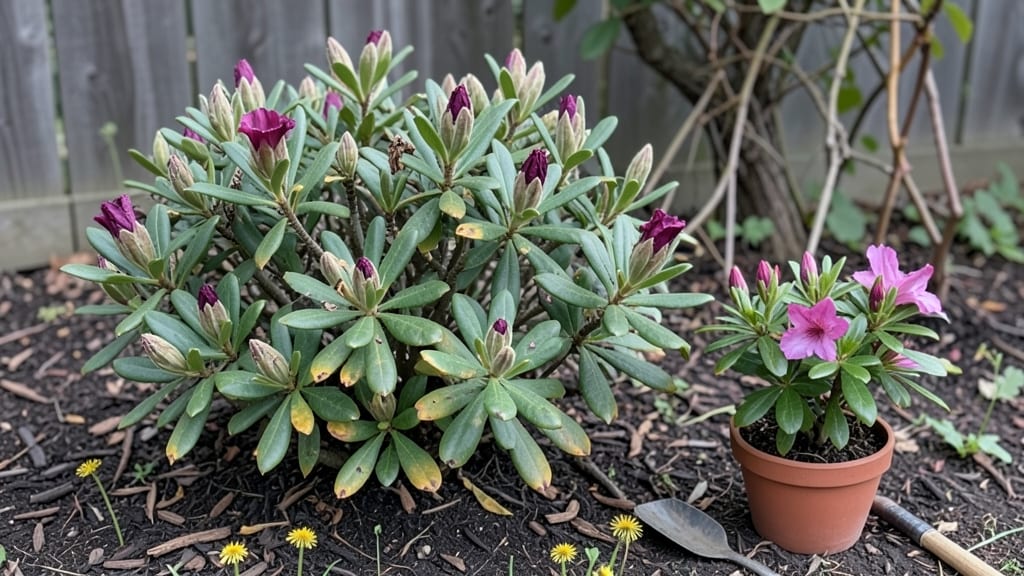
Azalea planting conditions require acidic soil (pH 4.5–6.0), partial shade (3–6 hours of sunlight daily), and well-draining, organic-rich soil. They thrive in USDA zones 5–9 with consistent moisture and protection from harsh winds or direct afternoon sun.
Azaleas are fussier than your average shrub—they demand acidic soil because their roots can't absorb nutrients properly in alkaline conditions.
Think of it like a finicky chef: they need the right environment to shine. 🌿 I always mix in peat moss or pine bark to keep that pH 4.5–6.0 range, and a simple DIY pH test kit helps me avoid costly mistakes.
The right soil mix isn't just about acidity, though—it's also about drainage, which prevents those dreaded root rot issues.
When it comes to sunlight, partial shade is key—these beauties hate getting fried like a forgotten burger on the grill. I've seen azaleas struggle in full sun, with leaves turning crispy, while the same plants thrive under 3–6 hours of dappled light.
Pro tip: Morning sun is gentler than afternoon rays, and a little afternoon shade can make all the difference in hot climates.
💡 In This Article
- Optimal Soil Composition for Azalea Growth
- Climate and Sunlight Needs for Healthy Azaleas
Optimal soil composition for azalea growth
Azaleas need acidic soil because their roots can only absorb essential nutrients like iron, manganese, and phosphorus when the pH stays between 4.5–6.0. At higher pH levels, these nutrients become locked away as insoluble compounds, starving the plant even if they're present in the soil.
Think of it like a key and lock system—only the right pH "unlocks" the nutrients for the roots to use. This is why azaleas often struggle in garden centers where soil pH isn't properly managed.
The ideal soil mix combines three key ingredients: peat moss (for acidity and moisture retention), pine bark fines (to improve aeration and drainage), and coarse sand (to prevent compaction). A common blend I use is 50% peat moss, 30% pine bark, and 20% sand.
This creates a loose, crumbly texture that mimics their natural forest floor habitat, where organic matter slowly breaks down to feed the roots. The pine bark also adds a slow-release acidity as it decomposes, helping maintain the proper pH over time.
Testing soil pH is easier than you'd think. I recommend using a digital pH meter or liquid test kit for accuracy—these cost around $15–$25 and give results in minutes.
If your soil tests above 6.0, you can lower the pH by adding elemental sulfur (apply 1–2 pounds per 100 square feet and water thoroughly). For a quicker fix, cottonseed meal or sphagnum peat can help acidify the soil naturally over a few weeks.
Always retest after 4–6 weeks to ensure you've reached the target range.
One common mistake is assuming all mulches work equally. While pine straw is excellent for maintaining acidity, cedar mulch can actually raise pH slightly over time due to its tannin content. I've seen azaleas decline when homeowners switch to cedar without realizing it.
For best results, stick with pine bark mulch or composted leaf litter, which both support the acidic environment these plants need to thrive.
Here's what happens when soil conditions are off: In alkaline soil (pH 7.0+), azaleas develop chlorosis—yellowing leaves with green veins—because they can't access iron. In overly acidic soil (pH 4.0–), aluminum toxicity becomes an issue, causing brown leaf tips and stunted growth.
The sweet spot is pH 5.5–6.0, where nutrient availability is optimal and root diseases are less likely to take hold.
For container-grown azaleas, the soil mix is even more critical since you can't amend the surrounding earth. I always use a pre-mixed acid-loving plant soil with added mycorrhizal fungi, which helps the roots absorb nutrients more efficiently.
Repotting every 2–3 years with fresh acidic mix keeps them healthy—just be sure to water thoroughly after repotting to settle the soil and eliminate air pockets.