
How To
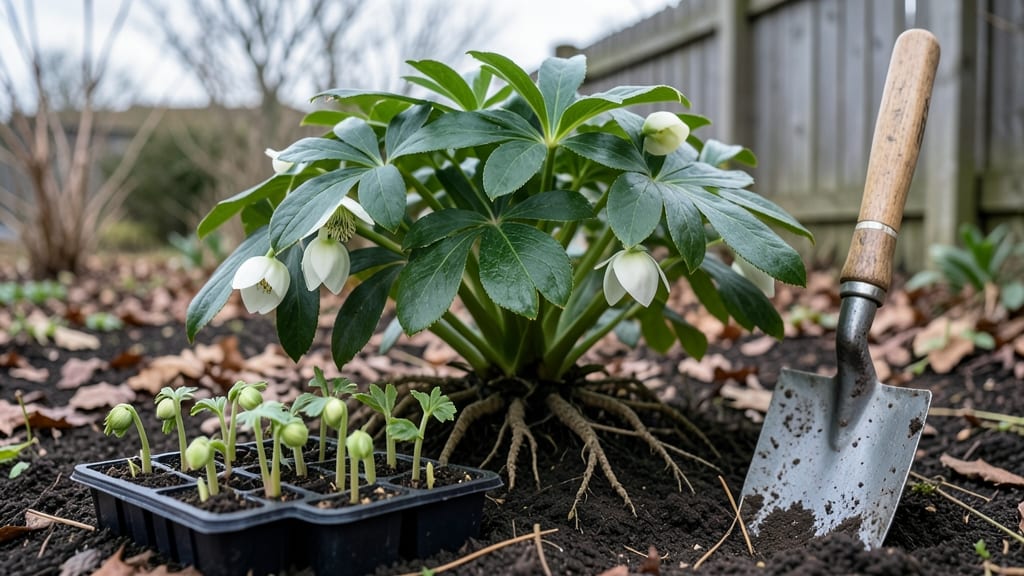
Creating the right hellebore planting conditions means your garden can finally have those 🌸 winter blooms that outshine everything else.
Picture this: other plants wilt in your shady spots, but hellebores thrive there—delivering bold colors from late fall through spring. The secret isn’t complicated, but it’s easy to get wrong if you’re used to sunnier gardens.
With the right soil mix and just the right amount of shade, hellebores become the low-maintenance stars of your garden. Below, I’ll walk you through the exact conditions they need to bloom year after year, plus how to avoid the common mistakes that kill them.
You’ll learn how to prep your soil, where to plant them for maximum impact, and even which companion plants make them grow even better. Let’s get those hellebores thriving!
Ideal soil and light requirements for hellebore success
Hellebores, often called Lenten roses, are the unsung heroes of shade gardens. Unlike sun-loving plants, these beauties thrive in conditions where others fail—making them perfect for woodland gardens or north-facing borders.
The key to their success lies in understanding their soil preferences and light needs, which I’ll break down in detail below.
One of the biggest misconceptions is that hellebores only tolerate full shade. While they do well in deep shade, they actually bloom best with dappled light. This balance ensures vibrant flowers while preventing leaf scorch or flopping stems.
Let’s dive into the specifics so you can create the perfect environment for these winter-blooming stars.
Hellebores prefer humus-rich soil that mimics their natural woodland habitat. If your garden soil is heavy clay or sandy loam, amend it with 2–3 inches of compost or well-rotted manure before planting.
This improves water retention and nutrient availability, which are critical for vibrant blooms and healthy foliage.
A slightly acidic pH between 5.5 and 6.5 is ideal for hellebores. Test your soil using a home pH kit or send a sample to your local cooperative extension service.
If your soil is too alkaline, add elemental sulfur to lower the pH gradually. Conversely, if it’s too acidic, pulverized limestone can help raise it slightly.
While hellebores tolerate full shade, they bloom best with dappled light. Think of them as the goldilocks of shade plants—not too much sun, not too little.
A spot under deciduous trees (like oaks or maples) works perfectly because the filtering canopy provides morning sun in spring and shade in summer.
If you’re planting hellebores in full sun, be prepared for leaf scorch or floppy stems. To mitigate this, choose morning sun locations where plants receive direct light only in the cooler hours. Alternatively, use light-colored mulch to reflect excess heat and reduce stress on the plants.
One of the most common mistakes is overwatering hellebores. While they enjoy consistently moist soil, their roots rot easily in soggy conditions. Ensure your planting area has adequate drainage by adding a layer of gravel or perlite to the bottom of holes.
Mulching with 3–4 inches of organic matter (like shredded bark) helps retain moisture while preventing soil compaction.
For container-grown hellebores, use a well-draining potting mix blended with 20% perlite or orchid bark. This prevents root suffocation and ensures oxygen reaches the roots. Water containers when the top inch of soil feels dry, but avoid letting them sit in waterlogged saucers.
In regions with hot summers, hellebores may go dormant to conserve energy. During these periods, reduce watering to every 10–14 days
Best planting locations: where to place hellebores for maximum impact
Hellebores are the unsung heroes of shade gardens, blooming when most plants are dormant. Their secret? Strategic placement in spots where other plants struggle. Whether you have a woodland garden, border planting, or even containers, hellebores can transform these areas into year-round focal points.
The key lies in understanding their natural habitat and replicating those conditions in your garden.
These shade-loving perennials thrive in environments with dappled sunlight and moist, well-draining soil. Unlike sun-loving plants, hellebores despise harsh afternoon rays and hot, dry conditions. By placing them in the right spots, you’ll ensure vibrant blooms from late winter through early spring.
Let’s explore the best locations to showcase their beauty while keeping them healthy.
- 🌳 Woodland Gardens: Mimic their natural habitat under deciduous trees like oaks or maples. The filtering light and humus-rich soil create perfect conditions. Pair with ferns and hostas for a lush, layered look.
- 🪴 Container Gardens: Use 14-inch pots with well-draining mix (50% potting soil, 30% compost, 20% perlite). Place containers where they receive morning sun and afternoon shade, like near north-facing walls.
- 🌿 Garden Borders: Plant hellebores along shady borders or under shrubs like hydrangeas. Their low-growing habit (1-2 feet) makes them ideal for edging or filling gaps between taller plants.
- 💧 Moisture-Retentive Spots: Avoid dry areas—hellebores prefer soil that stays consistently moist but never soggy. Ideal spots include near sprinkler heads or under eaves where rainwater collects.
- 🌸 Companion Plants: Boost their impact by pairing with ferns (for texture), heucheras (for color contrast), or bleeding hearts (for seasonal interest). Avoid competitive plants like rhododendrons.
One of my favorite tricks is planting hellebores near spring-blooming bulbs like snowdrops or crocuses. While the bulbs fade, the hellebores take over, creating a seamless transition. This layered approach ensures your garden stays vibrant from January through May.
For containers, choose varieties like 'HGC Picotee' or 'Annie’s Song', which thrive in smaller spaces.
If your garden has full shade areas (like under evergreens), hellebores will still perform well, though their blooms may be slightly smaller. The trade-off? Fewer pests and less maintenance. For dappled shade (sun through tree leaves), expect larger blooms and more vigorous growth.
Test your spot by placing a white plate in the sunniest part of the day—if it’s warm to the touch for more than 2 hours, it’s too hot for hellebores.
Don’t overlook vertical planting! Use hellebores in hanging baskets or tiered planters near shady walls. Their trailing foliage adds movement and color to otherwise dull spaces. Just ensure the containers have drainage holes and use a lightweight potting mix to prevent root rot.
With the right location, hellebores will reward you with decades of low-maintenance beauty—and who doesn’t love a plant that asks for so little? 🌿