
Fertilization
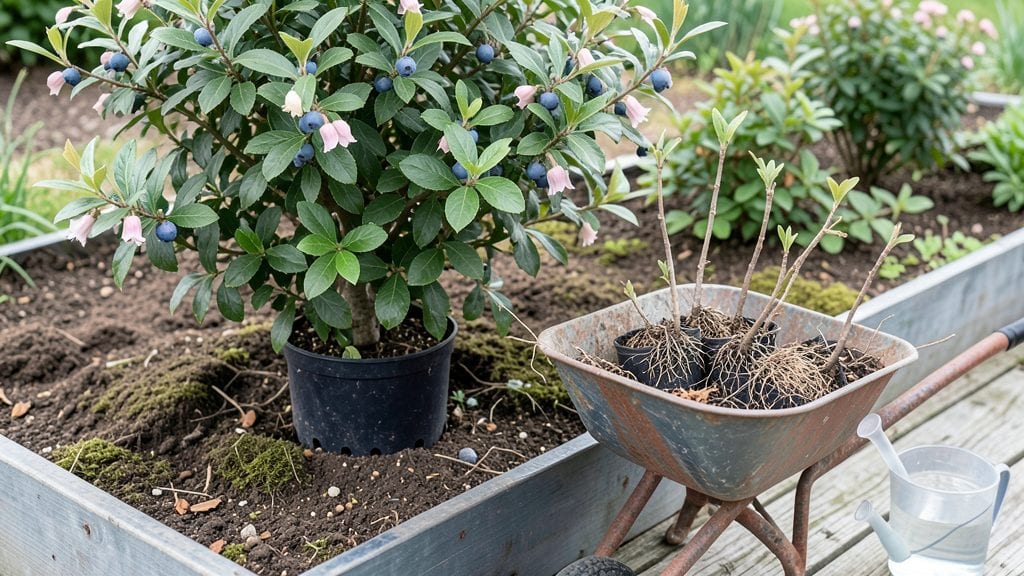
Growing blueberries with the right planting conditions turns a simple shrub into a juicy, sweet harvest—but get it wrong, and you’re stuck with tart, undersized berries.
Too many gardeners overlook the soil pH or sunlight needs, and that’s how you end up with tiny, mealy fruit instead of plump, flavorful clusters. The secret? A precise mix of acidic soil, 6+ hours of sun, and the right spacing to let air circulate.
Whether you’re planting in USDA Zone 6a or adjusting for your local climate, these conditions make all the difference. Below, I’ll break down the exact soil prep, sunlight tricks, and spacing rules that guarantee bigger, sweeter berries every season.
Skip the guesswork—here’s how to set up your 🫐 blueberry bushes for success from day one.
Optimal soil pH levels for blueberry bushes: the science behind acidic soil needs
Blueberries are famously finicky about their soil pH, thriving only in acidic conditions between 4.5 and 5.5. This isn’t just a quirk—it’s a biological necessity. Blueberries belong to the Ericaceae family, which includes other acid-loving plants like azaleas and rhododendrons.
Their roots struggle to absorb iron and manganese in neutral or alkaline soils, leading to chlorotic leaves (yellowing) and poor fruit production. If your soil pH is off, even the hardiest blueberry varieties will produce small, tart berries instead of the sweet, plump ones you crave.
Before you panic about your soil’s acidity, let’s break down why this matters. The pH scale measures how acidic or alkaline your soil is, with 7.0 being neutral. Below 7.0 is acidic, and above is alkaline.
Blueberries cannot tolerate pH levels above 6.0—their growth stalls, and they become vulnerable to diseases like phytophthora root rot. The good news?
Adjusting your soil’s pH is simpler than you think, whether you’re dealing with naturally alkaline soil or need to maintain the perfect acidity for your existing bushes.
Here’s the critical piece of advice: test your soil first. You can grab a DIY pH test kit from your local garden center for under $10, or send a sample to your cooperative extension service for a professional analysis.
I recommend testing in early spring, just before planting or fertilizing. Dig a 6-inch hole, collect soil from multiple spots (avoid fresh manure or compost piles), and mix the samples. This gives you an accurate reading of your garden’s overall conditions.
Once you know your soil’s pH, you can take action. If your reading is below 4.5, you’ll need to raise the pH slightly using lime or wood ash (though this is rare for blueberries).
But in most cases, you’ll be dealing with alkaline soil (pH 6.0 or higher), which requires lowering the pH. The most common methods include adding elemental sulfur, peat moss, or pine needles.
Each has pros and cons, so let’s dive into how to choose the right approach for your garden.
| Blueberry Planting Conditions | Specification |
|---|---|
| Soil pH Range | 4.5 – 5.5 (acidic) |
| Ideal Soil Type | Well-draining, organic-rich |
| Drainage Requirement | Avoids waterlogging |
| Sunlight Needs | 6+ hours of full sun |
| Spacing (In-Ground) | 3–6 feet apart (varies by variety) |
| Mulch Type | Pine bark or pine needles |
| Fertilizer Needs | Acid-loving plant fertilizer (10-10-10) |
| Watering Frequency | 1–2 gallons per plant, 2–3x weekly |
If your soil is alkaline (pH 6.0 or higher), the fastest way to lower pH is with elemental sulfur. This mineral reacts with soil moisture to produce sulfuric acid, gradually acidifying the soil.
For a 10-foot by 10-foot area, mix in 5–10 pounds of sulfur in early fall or late winter. Work it into the top 6–8 inches of soil and water thoroughly.
It takes 2–3 months to see results, so plan ahead if you’re planting in spring. Never apply sulfur in dry soil—it won’t work without moisture.
For a more natural approach, try peat moss or pine bark fines. These organic amendments are slower-acting but improve soil structure while lowering pH. Spread a 2–3 inch layer over the planting area and mix it into the topsoil.
Over time, as the organic matter breaks down, it releases humic acids, which gently acidify the soil. This method is ideal for container gardening, where you can blend peat moss directly into your potting mix.
Just remember: peat moss is non-renewable, so consider pine needles or oak leaves as sustainable alternatives.
One mistake I see often is over-amending with sulfur. Too much can make your soil too acidic (pH below 4.5), which harms beneficial microbes and causes aluminum toxicity in plants. Test your soil again in 6–8 weeks after amending and adjust as needed.
If you’re planting in containers, use a pre-mixed acidic potting soil (look for labels saying "blueberry mix" or "ericaceous"). These blends already have the right pH and nutrients to support healthy growth.
Let’s talk about long-term maintenance. Once your blueberries are established, you’ll need to replenish acidity annually. In early spring, top-dress the soil with a 1-inch layer of pine needles or apply a slow
Sunlight requirements for blueberries: how much light do they really need?
Blueberries thrive when planted in full sun, but their exact sunlight needs depend on your climate zone and whether you're growing them in containers or in-ground. Most varieties need 6 to 8 hours of direct sunlight daily to produce the largest, sweetest berries.
Without enough light, you’ll end up with smaller, tart berries that lack the juicy flavor we all love. Even partial shade can reduce yields, so placement is key.
In hotter climates (like the Southwestern U.S.), blueberries can tolerate morning sun and afternoon shade to prevent leaf scorch. However, in cooler regions (like the Pacific Northwest), they’ll need full sun exposure to ripen properly. Understanding these nuances ensures your bushes stay healthy and productive year after year.
| Growing Condition | Sunlight Needs | Berry Quality Impact | Best Placement |
|---|---|---|---|
| In-Ground (Cool Climates) | 6-8 hours full sun | Large, sweet berries | South-facing slope or open area |
| In-Ground (Hot Climates) | Morning sun, afternoon shade | Medium-sized, flavorful berries | East side of house or under deciduous trees |
| Containers (Any Climate) | 5-6 hours full sun | Smaller berries, lower yield | Patio, balcony, or deck with southern exposure |
If you’re growing blueberries in containers, they’ll need at least 5 hours of sunlight daily to survive, but they won’t produce as many berries as in-ground plants. Containers dry out faster, so you’ll also need to water more frequently.
For best results, place pots near a south-facing window or in a sunny spot on your patio. Dwarf varieties like 'Top Hat' or 'Peach Sorbet' are ideal for containers and tolerate slightly less light.
For in-ground planting, choose a location with unobstructed sunlight from early morning until mid-afternoon. Avoid planting near tall trees or buildings that cast long shadows. If your yard has limited sunlight, consider reflective surfaces like white walls or gravel paths to bounce extra light onto the bushes.
This trick can make a noticeable difference in berry production.
One common mistake is assuming that partial shade is acceptable for blueberries. While they can tolerate some shade, especially in hot climates, too much shade leads to poor fruit set and weak stems.
If your bushes are struggling, move them to a sunnier spot or prune nearby trees to increase light exposure. A little extra sunlight goes a long way in boosting both berry size and flavor intensity.
Regional adjustments are crucial. In northern climates (like Minnesota or Maine), blueberries can handle full sun all day because cooler temperatures prevent leaf burn. In southern climates (like Texas or Florida), afternoon shade is a must to protect leaves from intense heat.
Pay attention to your local microclimate—even a small difference in sun exposure can impact your harvest.