
Plants
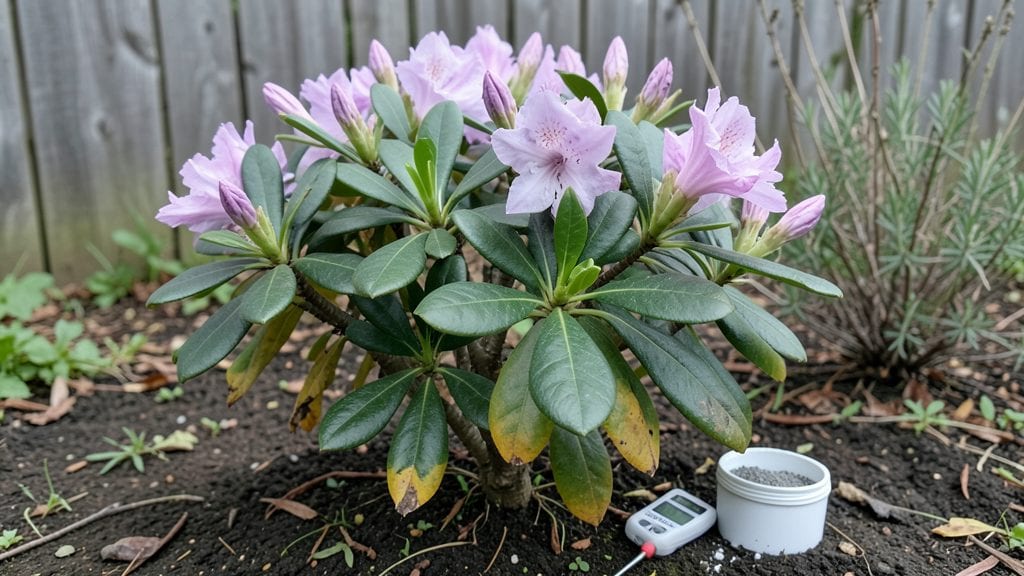
Creating the perfect acidic plant soil mix transforms struggling acid-loving plants into thriving showstops—like the blueberries that finally fruited after years of yellowing leaves. 🌱 The secret lies in balancing organic matter, mineral amendments, and regular pH checks, not just tossing in sulfur.
Most gardeners overlook the slow-release nature of organic acids, which is why their soil pH bounces back to neutral within months.
Start with a base of 50% peat moss or coconut coir—these hold acidity better than compost—and mix in 25% pine fines or oak leaves for natural acidity. Add 20% garden soil for structure, then 5% elemental sulfur to lower pH gradually.
Test your mix with a reliable pH meter before planting; most acid-lovers need 4.5–5.5 pH. This blend stays acidic for 2–3 seasons with proper maintenance.
Your azaleas will burst with vibrant pink blooms, hydrangeas deepen to true blue, and blueberry bushes produce pint-sized fruit instead of bitter leaves. The key is monitoring: top-dress with sulfur every spring and mulch with pine needles to lock in acidity.
Even in hot climates, this method keeps roots happy without chemical shortcuts.
For container gardens, use 50% mix to 50% perlite to prevent compaction, and water with rainwater or distilled to avoid mineral buildup. If your soil tests too acidic (below 4.0), amend with lime or wood ash—but never skip the test first.
The goal is steady acidity, not extreme pH swings that shock roots.
The Hidden Triggers Behind Soil Acidity
If your once-vibrant plants are struggling despite your best care, the soil beneath them might be silently sabotaging their growth. Acidic soil isn’t always a natural fit—it often develops due to specific environmental and human-induced factors.
Understanding these causes is the first step to restoring balance and unlocking your plants’ full potential. Let’s dive into the science behind why soil becomes overly acidic, so you can take targeted action.
Soil acidity isn’t always a bad thing—many plants, like blueberries, azaleas, and rhododendrons, thrive in slightly acidic conditions (pH 4.5–6.0). However, when the balance tips too far toward acidity, it’s usually because of how organic matter breaks down. Here’s why:
- Organic Matter Decay: As leaves, grass clippings, and wood chips decompose, they release organic acids (like humic and fulvic acids) that lower pH. While this is natural, excessive buildup—especially in dense, poorly aerated soil—can create a too-acidic environment.
- Peat Moss Overuse: A popular amendment for acid-loving plants, peat moss is naturally acidic (pH 3.5–4.5). While it’s great in moderation, over-relying on it can permanently skew soil pH downward, especially in sandy or fast-draining soils.
- Pine Needles & Wood Chips: These common mulches are highly acidic (pH 3.8–4.2) and release tannins that further lower soil pH over time. If you’re using them heavily, they’re likely the culprit behind your soil’s sour shift.
💡 Pro Tip: If you love using organic mulches, balance them with neutral amendments like composted bark or hardwood mulch to stabilize pH.
Water isn’t just life-giving—it’s also a silent pH regulator. In some regions, rainfall and irrigation can directly acidify soil over time. Here’s how:
- Acid Rain: Pollution from factories and vehicle emissions reacts with water vapor in the atmosphere, creating sulfuric and nitric acids that fall as rain. Over years, this can lower soil pH by 0.1–0.5 points annually in affected areas.
- Soft Water Irrigation: Water with low mineral content (especially low calcium and magnesium) has a higher tendency to dissolve aluminum and iron in soil, releasing hydrogen ions that increase acidity. If your tap water is "soft," it’s likely contributing.
- Overwatering: Excess moisture flushes away essential nutrients (like calcium and potassium) while leaving behind hydrogen ions, which accumulate and lower pH. This is especially true in container gardens, where drainage is poor.
🌡️ Test Your Water: Use a simple EPA acid rain test kit or check your local water report. If your water is highly acidic (
Fertilizers are designed to feed plants, but some common types can accelerate soil acidification—sometimes without you even realizing it. Here’s what to watch for:
| Fertilizer Type | How It Affects pH | Acidity Impact |
|---|---|---|
| Ammonium-Based Fertilizers (e.g., urea, ammonium sulfate) | As microbes break down ammonium (NH₄⁺), they release hydrogen ions (H⁺), lowering pH. | Can drop pH by 0.5–1.0 points per application if overused. |
| Synthetic Nitrate Fertilizers (e.g., calcium nitrate) | Less acidic than ammonium but can still leach calcium, indirectly increasing acidity. | Moderate impact; best for neutral-to-alkaline soils. |
| Sulfur Coatings (on slow-release fertilizers) | Sulfur oxidizes into sulfuric acid, a strong acidifier. | High risk—can lower pH by 1.0+ points in sandy soils. |
| Aluminum Sulfate (used to lower pH intentionally) | Directly adds aluminum ions, which displace calcium and magnesium, increasing acidity. | Potent but short-term; overuse harms microbes. |
✨ Smart Swap: Opt for calcium nitrate or organic fertilizers like fish emulsion (which add buffering minerals) instead of ammonium-heavy products.
Your soil isn’t just dirt—it’s a bustling ecosystem where microbes and plant roots are constantly exchanging chemicals. Sometimes, their activity tilts the pH scale in unexpected ways:
- Microbe Metabolism: Certain bacteria and fungi (like Thiobacillus) produce sulfuric acid as a byproduct of breaking down organic matter. In waterlogged or compacted soil, these microbes thrive unchecked, boosting acidity.
- Root Exudates: Plants release organic acids (e.g., citric acid, malic acid) through their roots to mobilize nutrients like phosphorus. While this helps the plant, it can locally acidify the rhizosphere (the soil zone around roots).
- Fungal Dominance: In overly acidic soils, mycorrhizal fungi (which help roots absorb nutrients) can become imbalanced, further suppressing beneficial bacteria that buffer pH.
🔥 Fix It Fast: Aerate compacted soil and add compost or biochar to encourage diverse microbial activity. This helps stabilize pH naturally.
Now that you know why your soil might be too acidic, the next step is correcting the imbalance—without harming your plants or the soil’s long-term health. Stay tuned!
Fixing Soil pH for Thriving Plants
Acid-loving plants like azaleas, blueberries, and gardenias thrive when their soil pH is just right—but if your garden’s soil is too acidic, it can stunt growth, yellow leaves, or even kill your plants. The good news?
Adjusting soil pH is simpler than you think. Below, we’ll tackle the most common causes of overly acidic soil and match them with practical, step-by-step fixes—plus tips to keep your soil balanced long-term.
If your plants are already showing stress (like yellowing leaves or poor flowering), act fast with these emergency adjustments:
1. Raise pH with Lime (For Severely Acidic Soil)
🍳 What You’ll Need:
- Garden lime (calcium carbonate) or dolomitic lime (adds magnesium too)
- Garden gloves & a shovel
- pH test kit (to monitor progress)
👨🍳 Steps:
- Test your soil first—aim for a pH of 5.0–6.5 for most acid-loving plants (lower for blueberries, higher for rhododendrons).
- Apply lime evenly over the soil surface (follow package instructions—usually 5–10 lbs per 100 sq ft for moderate adjustments).
- Water thoroughly to help lime integrate into the soil.
- Wait 2–3 months, then retest. Lime takes time to work!
✨ Pro Tip: Use pelletized lime for easier spreading and less waste. Avoid quicklime (calcium oxide)—it’s too harsh and can burn roots.
2. Mix in Organic Amendments (Gentler Adjustments)
If you prefer a natural, slow-release fix, try these:
| Amendment | How It Helps | How to Use |
|---|---|---|
| Wood Ash | Raises pH quickly (best for fire pits) | Sprinkle ½–1 cup per plant into the soil. |
| Crushed Eggshells | Slowly increases pH over time | Crush and mix into the top 2 inches of soil. |
| Compost | Buffers acidity while adding nutrients | Work 2–3 inches into the topsoil annually. |
| Bone Meal | Adds phosphorus + slightly raises pH | Use 1–2 tbsp per plant at planting time. |
💡 Warning: Avoid wood ash from treated wood (like pressure-treated lumber)—it may contain harmful chemicals.
Prevention is key! Keep your soil pH stable with these low-effort habits:
🔪 Avoid Over-Fertilizing with Acidic Products
Some fertilizers (like cottonseed meal or sulfur-based fertilizers) lower pH over time. Instead:
- Use balanced fertilizers (like 10-10-10) for most plants.
- For blueberries, opt for ammonium sulfate (acidifying) but monitor pH closely.
⏰ Test Soil Regularly
- Every 6–12 months, especially if you notice:
- Slow growth
- Yellowing leaves (chlorosis)
- Fungal issues (like root rot)
- DIY test kits (like LaMotte or MySoil) are affordable and easy.
🌡️ Mulch Strategically
- Pine needles, oak leaves, or peat moss naturally acidify soil—great for erics (azaleas, heaths).
- Straw or grass clippings raise pH over time—better for neutral-loving plants like tomatoes.
If your soil is extremely acidic (pH < 4.5) or you’re dealing with heavy clay, consider:
- Topsoil replacement (for small beds).
- Professional soil testing (extension offices often offer cheap services).
- Raised beds with pre-mixed acidic soil (like Fafard or Black Gold mixes).
Remember: Patience is key! Soil pH changes take time—don’t rush it. With the right adjustments, your acid-loving plants will bloom, grow strong, and thank you with vibrant foliage and bountiful harvests! 🌿✨
Frequently asked questions
What plants actually need acidic soil?
Classic acid-loving plants include blueberries (pH 4.5–5.0), azaleas and rhododendrons (pH 4.5–6.0), gardenia (pH 5.0–6.5), hydrangeas (pH 5.0–6.0), and camellias (pH 5.0–6.0). Even some vegetables like potatoes and strawberries prefer slightly acidic conditions (pH 5.0–6.5).
Can I use coffee grounds to acidify soil?
Yes, but sparingly! Coffee grounds are mildly acidic (pH ~6.2–6.8 when fresh) and add nitrogen as they decompose. Use ½ cup per plant mixed into the top 2 inches of soil every few months. Too much can create a sour smell and attract pests. For stronger acidification, pair them with pine needles or peat moss.
How often should I test acidic soil pH?
Test every 6–12 months for established gardens, or monthly for new plantings until stable. Use a digital pH meter (more accurate than strips) and retest after amendments. Most acid-lovers need pH 4.5–6.0—blueberries are the pickiest, requiring 4.5–5.0. Regular checks catch pH swings before plants show stress.
Will compost raise or lower soil pH?
Compost is neutral to slightly alkaline (pH 6.0–8.0), so it gently raises acidic soil over time. For acid-loving plants, use well-aged compost (1+ years) in moderation (mix 20% compost with 80% acidic mix). Avoid fresh manure—it’s too alkaline and can shock roots.
Can I reuse acidic soil from potted plants?
Yes, but refresh it! After 1–2 years, acidic potting mixes lose their acidity. Sift out old roots, add 20% fresh peat moss or pine fines, and top-dress with elemental sulfur (1 tsp per gallon). Sterilize by baking at 200°F for 30 minutes to kill pathogens. Never reuse soil with visible mold or foul odors.