Fertilization
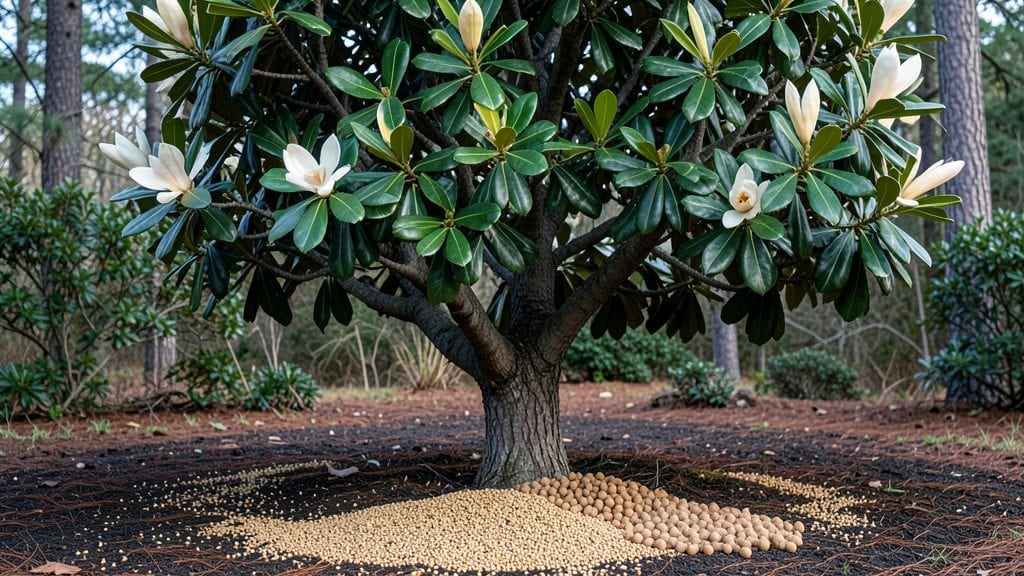
The right magnolia plant food can turn your lackluster shrub into a showstopper with glossy leaves and dramatic blooms. 🌿 I’ve watched my own magnolias go from struggling to thriving after switching to the right fertilizer—it’s all about matching their acid-loving needs with the right timing and type.
Magnolias crave acidic, nutrient-rich soil, so we’re focusing on fertilizers designed for acid-loving plants like azaleas and rhododendrons. Organic options like sulfur-coated urea or slow-release granules work best, but synthetic acid-loving formulas can give faster results.
The key is feeding in early spring when new growth starts, then again in late summer to prep for next year’s blooms.
You’ll see the difference within 6-8 weeks: deeper green leaves, stronger stems, and blooms that last longer. Just avoid overdoing it—magnolias hate soggy roots, so always water after applying fertilizer to help it settle safely into the soil.
Works for both container-grown and in-ground magnolias, though potted plants may need more frequent feeding. Let’s get those roots fed right so your magnolia can shine all season.
📚 In This Guide
- What you need
- Instructions
- Tips and common mistakes
- Wrapping up and next steps
What you need
- ● Magnolia plant food (store-bought): 1 slow-release granular fertilizer (specifically for acid-loving plants, like Miracle-Gro Azalea, Camellia & Rhododendron or Espoma Holly Tone). 1 liquid fertilizer (e.g., Fish Emulsion 5-1-1 or Seaweed Extract).
- ● DIY ingredients (if making homemade food): 1 tablespoon Epsom salt (for magnesium). 1 tablespoon cottonseed meal (organic nitrogen source). 1 tablespoon sulfur (to lower soil pH). 1 quart of water (for liquid mix).
How to choose and apply the right magnolia plant food
Magnolias thrive when fed the right nutrients—here's how to pick and use a specialized fertilizer for vibrant blooms.
🌿 Step 1: Select an Acid-Loving, Magnolia-Specific Fertilizer
Magnolias demand acidic soil (pH 5.0-6.5) and nutrients tailored to their slow, steady growth. Look for a balanced, slow-release fertilizer labeled for acid-loving plants or magnolias, with a ratio like 10-10-10 or 8-3-9. Avoid high-nitrogen blends—too much promotes leafy growth at the expense of blooms. I always check for micronutrients like iron, manganese, and zinc, which magnolias need for disease resistance and vibrant foliage.
If your soil isn’t naturally acidic, pair the fertilizer with elemental sulfur (apply 1 pound per 100 square feet in early spring) to gradually lower pH. Test your soil first—magnolias wilt when stressed by incorrect pH. A simple home soil test kit (available at garden centers) confirms whether your soil needs adjustment before feeding.
💧 Step 2: Apply Fertilizer at the Right Time and Rate
Feed magnolias twice a year: once in early spring (just as new leaves emerge) and again in late spring (when buds form). Avoid fertilizing in summer or fall—this stresses roots and encourages late-season growth that won’t harden off before winter. For established trees, spread ½ cup of granular fertilizer around the drip line (the edge of the tree’s canopy) in a 3-inch-wide band. Water deeply afterward to activate the granules and prevent root burn.
For younger magnolias (under 5 years old), cut the dose to ¼ cup per application—their root systems are still developing. Overfeeding causes leaf scorch or salt buildup in the soil, which shows as crispy brown edges on leaves. If you notice this, flush the soil with 3-4 inches of water to leach out excess salts.
☀️ Step 3: Pair Fertilizer with Proper Watering and Mulching
After applying fertilizer, water the tree deeply to help nutrients penetrate the root zone. Magnolias have deep taproots, so aim for 1-2 inches of water per week during growing seasons. Use a soaker hose or drip irrigation to avoid wetting foliage, which reduces disease risk. I always water in the early morning so leaves dry quickly—magnolias are prone to powdery mildew in humid conditions.
Top-dress the root zone with 3 inches of acidic mulch (like pine straw or finely shredded bark) to retain moisture and gradually acidify the soil. Keep mulch 6 inches away from the trunk to prevent rot. This layer also insulates roots in winter, protecting them from temperature swings that can stress the plant and reduce next year’s blooms.
✂️ Step 4: Monitor for Nutrient Deficiencies and Adjust
Watch for yellowing leaves (a sign of iron or nitrogen deficiency) or purple stems (a phosphorus deficiency). If leaves yellow between veins, your magnolia needs chelated iron—apply a foliar spray labeled for acid-loving plants. For nitrogen issues, switch to a low-analysis fertilizer (like 5-5-5) and feed lightly in early spring. Over-fertilizing with nitrogen leads to weak wood and fewer blooms, so less is often more.
Prune lightly after fertilizing to encourage strong, dense growth. Remove only dead, diseased, or crossing branches—never prune in fall or winter, as this stimulates new growth that won’t survive cold. A well-fed magnolia rewards you with larger blooms and darker, glossier foliage within 2-3 seasons. Patience is key; magnolias grow slowly but live for decades when cared for properly.
Tips & tricks for perfect magnolia care
These insider tips will help you optimize your magnolia's nutrition and avoid common pitfalls that can stifle those stunning blooms.
Soil pH is Non-Negotiable: The ideal pH range of 5.0-6.5 is crucial—magnolias absolutely wilt under stress from incorrect pH. I've seen firsthand how a simple soil test before fertilizing prevents years of struggling with nutrient uptake. If your test shows higher pH, don't just add fertilizer—first amend with elemental sulfur (1 pound per 100 sq ft) and wait 2-3 months before feeding. This gradual adjustment prevents root shock that can kill your tree's delicate root system.
Timing is Everything: Those two annual feedings in early and late spring are non-negotiable for established trees, but here's the secret: the late spring application should happen precisely when you see buds forming—not after they've opened. This timing ensures the tree uses nutrients to develop next year's blooms rather than maintaining current foliage. For younger trees, remember the quarter-cup dose is critical—their developing roots can't handle the half-cup amount meant for mature specimens.
Watering Wisdom: The 1-2 inches per week guideline is perfect, but here's what nobody tells you: morning watering isn't just about disease prevention—it's about giving roots time to absorb nutrients before the heat of day. I've noticed magnolias fertilized in the afternoon often show signs of salt buildup because the roots can't process the nutrients quickly enough. And when you do water after fertilizing, make it deep—aim for 6-8 inches of penetration to reach those deep taproots where the action happens.
Mulch Like a Pro: That 3-inch layer of acidic mulch serves triple duty: it maintains moisture, gradually acidifies the soil, and insulates roots. The key detail most people miss is keeping it 6 inches away from the trunk—this prevents rot that can kill your tree over time. I've seen magnolias with perfect fertilizer programs fail because of improper mulching. And here's a bonus tip: refresh your mulch annually in early spring, mixing in some compost to replenish organic matter that breaks down over time.
Pro Tips for Magnolia Plant Food
- These insider tips will help you optimize your magnolia's nutrition and avoid common pitfalls that can stifle those stunning blooms.
- Soil pH is Non-Negotiable: The ideal pH range of 5.0-6.5 is crucial—magnolias absolutely wilt under stress from incorrect pH.
- This timing ensures the tree uses nutrients to develop next year's blooms rather than maintaining current foliage.
Frequently asked questions
Got questions about keeping your magnolias thriving with the right plant food? Here are some of the most common concerns—plus quick, expert-backed answers to keep those glossy leaves and showstopping blooms in top shape!
How often should I fertilize my magnolia tree?
For established magnolias, apply a balanced, acid-loving fertilizer (like 8-3-9 or 10-10-10) every 4–6 weeks during spring and summer. Skip fertilizing in fall/winter—they’re dormant! For young trees (under 3 years), halve the dose to avoid root burn. Pro tip: Water deeply before and after feeding to help nutrients absorb!
Can I use regular lawn fertilizer on my magnolia?
Not ideal! Lawn fertilizers are often high in nitrogen and alkaline, which can stress acid-loving magnolias. Instead, opt for acid-forming fertilizers (like those with sulfur or iron) or organic options like cottonseed meal or peat moss. If you must use a general-purpose fertilizer, choose a low-nitrogen, slow-release formula (e.g., 6-6-6).
What are the signs my magnolia needs more food?
Watch for these red flags:
- Yellowing leaves (especially older ones) – often a sign of iron or nitrogen deficiency.
- Stunted growth or sparse blooms – your tree may need a phosphorus boost (the "P" in NPK).
- Pale green or purple-tinged foliage – could indicate magnesium or potassium deficiency.
Is it safe to fertilize magnolias in extreme heat or drought?
Absolutely not! Fertilizing during heatwaves (above 90°F/32°C) or drought can burn roots and stress the plant. Wait until the soil is moist and temperatures are mild (early morning or evening feedings help). If your magnolia is struggling, water first, then apply a diluted fertilizer (half-strength) to avoid shock.
What’s a natural alternative to chemical magnolia plant food?
Try these organic, soil-friendly swaps:
- Coffee grounds – Add a thin layer to the soil (1–2 inches) every few months to lower pH naturally.
- Composted pine needles – Mimics the acidic forest floor magnolias love.
- Fish emulsion or seaweed extract – Rich in micronutrients like iron and zinc.
- Epsom salt (magnesium sulfate) – Mix 1 tbsp per gallon of water monthly to prevent yellowing.
Wrapping up and next steps
Choosing the right magnolia plant food is your secret weapon for vibrant blooms and thriving foliage! 🌸 Whether you opt for organic compost, acid-loving fertilizers, or slow-release granules, the key is consistency and matching your magnolia’s unique needs.
With the right nutrition, your plant will reward you with stunning flowers and lush greenery year after year.
Ready to give your magnolia the love it deserves? Start by testing your soil’s pH and picking a fertilizer today—your future blooms will thank you! 🌱