
Watering Vegetable Plants: Soil-Moisture Tricks for Stronger Roots and Higher Yields

Watering

Watering Vegetable Plants: Soil-Moisture Tricks for Stronger Roots and Higher Yields

Watering vegetable plants correctly is the game-changer between a garden that thrives and one that struggles—even when you’re giving them plenty of water.

Picture this: you’ve just planted your 🥬 seedlings in Zone 6a, and every morning you’re out there with the hose, thinking you’re doing everything right. But by midday, the leaves are wilting anyway. That’s because the real secret isn’t just how much you water—it’s how you do it.

Too much water drowns roots, while too little stresses plants before they can grow strong. The trick? Keeping soil consistently moist (but not soggy) by watering deeply and at the right time of day.

Below, I’ll show you exactly how to read your soil, adjust for spring’s unpredictable rains, and avoid the most common mistakes that waste water and stunt growth.

You’ll learn the optimal schedule for seedlings, flowering plants, and fruiting stages, plus 5 soil-moisture hacks that cut water use by nearly half while boosting yields. Ready to turn your watering routine into a root-building powerhouse?

📅 Annual Watering Schedule
❄️ JAN
1x/wk
❄️ FEB
1x/wk
🌸 MAR
2x/wk
🌸 APR
2x/wk
🌸 MAY
2x/wk
☀️ JUN
2x/wk
☀️ JUL
2x/wk
☀️ AUG
2x/wk
🍂 SEP
1x/wk
🍂 OCT
1x/wk
❄️ NOV
2x/mo
❄️ DEC
2x/mo
High (Summer)
Medium (Spring/Fall)
Low (Winter)

The right watering schedule for vegetable plants by growth stage

Watering vegetable plants isn’t a one-size-fits-all task—it changes dramatically as your plants mature. Seedlings need gentle moisture to prevent rot, while fruiting tomatoes demand deep soaks to support heavy harvests.

Understanding these growth-stage watering needs ensures your garden thrives without waste. The key? Adjusting frequency and depth based on soil type and weather conditions.

Most gardeners overlook how soil composition alters water retention. Sandy soil drains fast, requiring daily checks, while clay holds moisture too long, risking root suffocation. Loamy soil—ideal for veggies—balances drainage and retention.

I’ll break down schedules for each growth phase and soil type, plus a foolproof finger-test method to check moisture levels before watering.

5 Soil-moisture tricks to maximize root health and yield

Healthy vegetable plants start from the ground up—literally. I’ve learned that soil moisture management is the hidden key to stronger roots, higher yields, and fewer plant diseases.

The right techniques can mean the difference between wilted lettuce and crisp, thriving greens or blight-free tomatoes instead of sad, spotted fruit. Let’s dive into the top 5 soil-moisture tricks that’ll transform your garden’s productivity.

Most gardeners focus on how often to water, but the real magic happens in how deeply and when. For example, tomatoes and peppers need consistent moisture at their roots, while leafy greens like spinach prefer shallow, frequent watering.

The goal? Encourage deep root growth while preventing fungal diseases like root rot or blight. These tricks will help you avoid common pitfalls and keep your plants hydrated without drowning them.

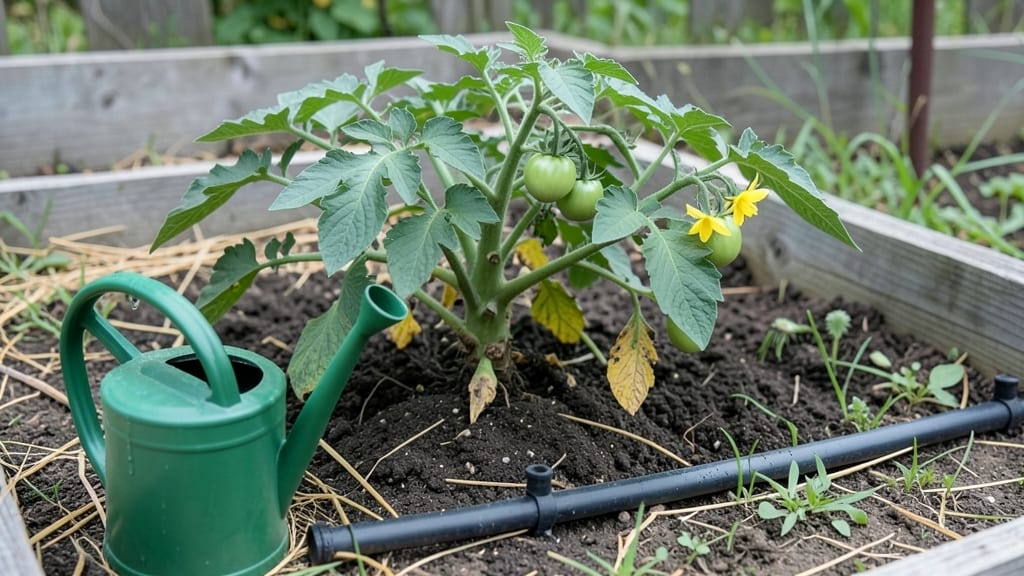
  1. Mulch 3-4 inches deep to retain moisture, suppress weeds, and keep roots cool. Use straw or wood chips—avoid fresh mulch that can mat and trap moisture.
  2. Water early morning (6-9 AM) to reduce evaporation and fungal risks. Avoid evening watering, which promotes blight in tomatoes and peppers.
  3. Use the soak-and-dry cycle: Water deeply until moisture reaches 6-8 inches down, then let the top 1-2 inches dry before watering again. This mimics natural rain patterns.
  4. Install drip irrigation or soaker hoses to deliver water slowly and directly to roots, cutting waste and preventing leaf diseases like powdery mildew.
  5. Test soil moisture with your finger: 1 inch deep for seedlings, 2-3 inches for established plants. If dry, water; if damp, wait. Overwatering is the #1 killer of vegetable plants!

Let’s break down why these tricks work for specific vegetables. For tomatoes, deep watering 2-3 times per week prevents blossom-end rot, while peppers thrive with consistent moisture but hate soggy soil. Leafy greens like lettuce and kale prefer shallow, frequent watering to stay crisp.

The key is adapting your approach based on the plant’s needs—no one-size-fits-all solution here!

One of my biggest mistakes was watering based on a schedule rather than soil conditions. I used to drown my basil thinking it needed more water, only to watch it develop fungal spots.

Now, I check the soil before watering, and my plants reward me with bigger yields and healthier growth. Pro tip: Group plants with similar water needs together in your garden layout for easier care.

Don’t forget the seasonal adjustments. In summer, you’ll need to water more frequently (sometimes daily), while in fall, you can space out waterings as temperatures drop. Rainy seasons?

Use a rain gauge to track natural water input and adjust accordingly. The goal is to keep roots happy without overcomplicating things.

By mastering these soil-moisture tricks, you’ll see stronger stems, better flavor, and fewer pests in your garden. Start with one or two techniques this season, and watch your vegetable plants thrive like never before. Your future self (and your dinner plate) will thank you! 🌱💧

★★★★★4.8(2 reviews)
Categories Watering
Growth Stage Soil Type Watering Frequency Depth Finger Test Depth
Seedlings Sandy Daily (light mist) ½ inch Top ½ inch dry
Seedlings Loamy Every 2 days ½ inch Top 1 inch dry
Seedlings Clay Every 3 days ¼ inch Top ½ inch damp
Vegetative (Leafy Growth) Sandy Every 1-2 days 1 inch Top 1-2 inches dry
Vegetative (Leafy Growth) Loamy Every 2-3 days 1-1.5 inches Top 2 inches dry
Vegetative (Leafy Growth) Clay Every 3-4 days ½ inch Top 1 inch damp
Flowering/Fruiting Sandy Daily (deep soak) 1.5-2 inches Top 2-3 inches dry
Flowering/Fruiting Loamy Every 2 days 2 inches Top 3 inches dry