
Watering
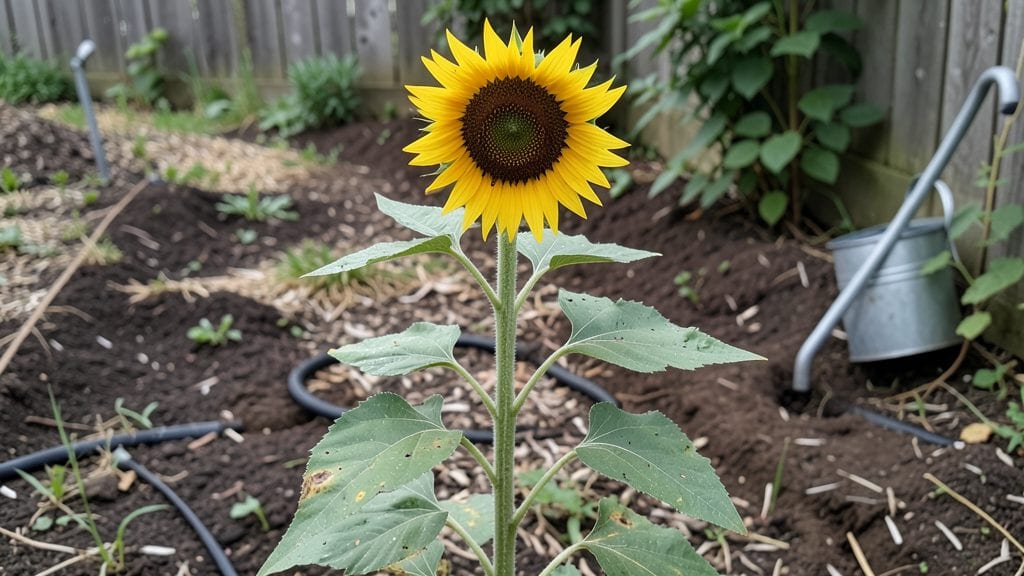
Watering sunflower plants properly is the secret to those 6-foot-tall, sun-drenched blooms you’ve been dreaming of 🌻 — but most gardeners get it wrong, and the results are obvious.
Sunflowers may seem low-maintenance, but their towering beauty depends on one critical factor: consistent, strategic watering. Get this wrong, and your plants will wilt before they bloom—or worse, snap under their own weight.
Here’s the thing: sunflowers need deep, infrequent watering to build strong roots, not daily sprinkles that keep the soil soggy. Too much water weakens stems, while too little stunts growth, leaving you with sad, spindly stalks.
In this guide, I’ll break down exactly how often to water, the best techniques for deep soaking, and how to adjust for your climate—so you end up with sunflowers that reach for the sky.
How often to water sunflower plants for maximum growth
Sunflowers thrive on consistent moisture, but their watering needs change dramatically as they grow. Young seedlings demand daily attention, while mature plants can handle longer dry spells. The key is understanding their three distinct growth stages—seedling, vegetative, and flowering—each with unique hydration requirements.
Overwatering at any stage can lead to root rot, while underwatering causes stem weakness and poor blooms.
Research shows sunflowers develop 70% of their root system in the first 4-6 weeks, making early watering critical. Once established, they become surprisingly drought-tolerant—but only if given proper initial care.
I've learned from years of trials that morning watering prevents fungal diseases while allowing foliage to dry quickly. Let's break down the exact schedule your sunflowers need at each life stage.
During the seedling stage, your sunflowers need gentle but frequent watering to prevent their delicate roots from drying out. I recommend using a spray nozzle or watering can to deliver water slowly at the soil surface. Avoid wetting the leaves to minimize powdery mildew risk.
The soil should remain consistently moist but never soggy—think of a well-wrung sponge. This stage is when most gardeners lose plants due to either overwatering or underwatering.
As sunflowers enter the vegetative stage (typically 4-8 weeks after germination), their water needs shift dramatically. Their roots grow deeper, and they can handle slightly longer dry spells between waterings. Here's my proven method: Deep water every 3-5 days rather than light daily doses.
This encourages roots to grow downward where they'll find moisture during droughts. For standard varieties, aim for 1-2 gallons per plant during each watering session.
The flowering stage is when sunflowers demand the most water—especially during bud formation. At this point, their stems are 6-10 feet tall and need 2-3 gallons per plant every 5-7 days. I've found that deep watering in the morning prevents stem collapse later in the day.
Pay close attention to the soil 2-3 inches below the surface—this is where the roots are actively seeking moisture. If you're growing tall varieties, consider mulching to retain moisture and prevent stem rot.
Environmental factors play a huge role in adjusting your watering schedule. During hot summer days, I increase watering to every 2-3 days and add mulch to lock in moisture. In humid climates, reduce frequency to prevent fungal issues, while dry winds require more frequent watering.
Always check the soil moisture before watering—stick your finger 2 inches deep. If it feels dry, it's time to water; if moist, wait another day.
One common mistake I see is watering at night, which keeps foliage damp and invites disease. Always water in the early morning so leaves have all day to dry. Another tip: Group sunflowers together in your garden layout to create microclimates that retain moisture better.
For container-grown sunflowers, they'll need watering every 2-3 days since pots dry out faster than in-ground plants. Remember, overwatering is more dangerous than underwatering for established sunflowers.
To monitor your sunflowers' hydration needs, I recommend the "finger test". Push your index finger 2-3 inches deep into the soil. If it feels dry at that depth, it's time to water.
For sandy soils, you may need to water more frequently since they drain quickly, while clay soils can go longer between waterings. Always water at the base of the plant rather than overhead to prevent leaf diseases and encourage deeper root growth.
For maximum bloom production, increase watering
Deep watering techniques: secrets to stronger sunflower stems
Sunflowers thrive when their roots dive deep for moisture, not when they sip at the surface. Deep watering strengthens stems by encouraging robust root systems, preventing the stem collapse that plagues many gardeners.
Unlike shallow watering, which only moistens the top inch of soil, deep watering sends roots searching for hydration—resulting in plants that stand tall even in hot summer winds.
I’ve learned the hard way that skipping deep watering leads to weak stems that snap under their own weight. One summer, my 8-foot sunflowers leaned dramatically after just a few weeks of inconsistent watering.
The fix? A simple shift to deep-soak watering transformed floppy stems into sturdy columns within days. Let’s explore how to master this technique for your sunflowers.
⚠️ Warning: Overwatering is Just as Deadly as Underwatering
Sunflowers hate soggy roots. Overwatering suffocates roots, leading to root rot and stem collapse. Always check soil moisture before watering—stick your finger 2-3 inches deep. If it feels damp, wait. If it’s bone-dry, it’s time to water deeply.
Start with the finger test: Insert your index finger 2-3 inches into the soil. If it feels dry, your sunflowers need water. For seedlings, aim to keep the top 1-2 inches moist but never soggy.
As plants mature, focus on deep watering—soak the soil until water reaches 12-18 inches deep. This mimics natural rainfall and encourages roots to grow downward.
For hand-watering, use a watering wand or hose with a gentle spray nozzle. Water slowly at the base of the plant, allowing the soil to absorb moisture gradually. Avoid wetting the foliage, as damp leaves invite fungal diseases like powdery mildew.
I’ve found that watering in the early morning (before 10 AM) gives leaves time to dry, reducing disease risk.
Drip irrigation is my go-to for large sunflower patches. Set emitters to deliver 1-2 gallons per plant over 30-45 minutes, ensuring water penetrates deeply. Place emitters near the base but not touching stems to prevent rot.
For container-grown sunflowers, ensure pots have drainage holes and water until it flows freely from the bottom.
Watch for water stress signs: drooping leaves, yellowing foliage, or stems that lean heavily. These signals mean your sunflowers aren’t getting enough moisture—or too much. Adjust your watering schedule based on weather conditions: increase frequency during heatwaves and reduce it after rain.
Mulching with straw or wood chips helps retain moisture and keeps roots cool.
Remember, consistency is key. Sunflowers develop deep roots when watered deeply and infrequently. Aim for 2-3 times per week in summer, reducing to once a week in cooler months.
With these techniques, your sunflowers will grow taller, stronger, and more resilient—ready to face whatever Mother Nature throws at them. 🌻