
Pruning
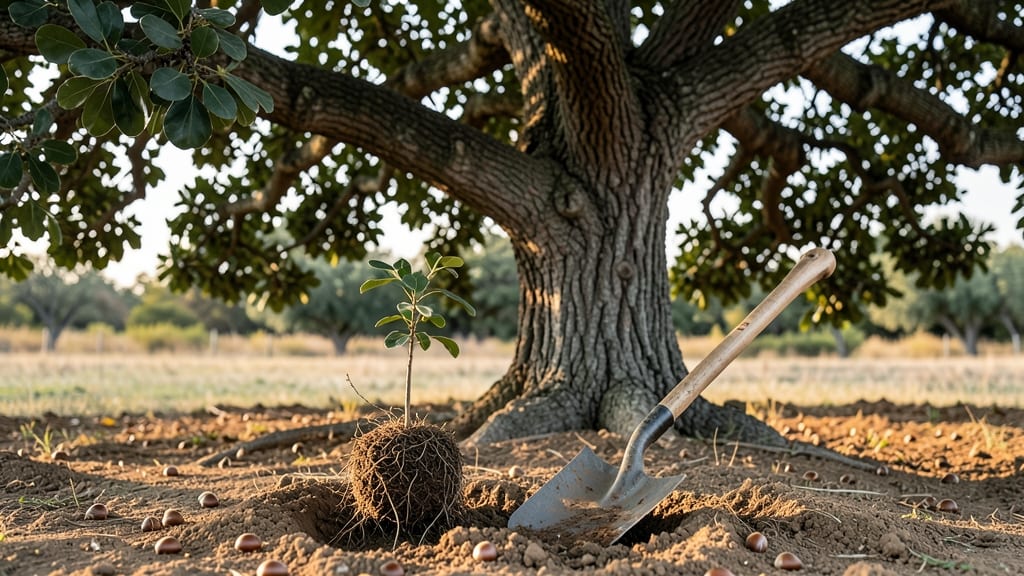
Planting trees in Sonoma County isn’t just about filling empty space—it’s about reclaiming the land with species that thrive where they belong. 🌿 I’ve watched Coast Live Oaks and California Sycamores transform bare patches into shady havens, and the key starts with understanding what your local soil and climate truly need.
The best time to plant is October through March, when cooler temps and winter rains help roots establish before summer’s heat. Skip the non-native trees—Sonoma’s drought and wildfire risks demand species like Toyon or Western Redbud that demand less water and burn slower.
A simple soil test from your local extension office reveals whether your spot needs amendments or drainage adjustments.
Within three months, you’ll see new growth signaling success, especially if you mulch heavily and water deeply but infrequently. These trees won’t just survive—they’ll become the backbone of your landscape, supporting wildlife and lowering your water bill. Ready to get your hands dirty?
Sonoma County offers rebates for fire-resistant plantings, and nurseries like Sonoma Ecology Center stock native stock. Let’s make your yard part of the solution, not the problem.
📚 In This Guide
- What you need
- Instructions
- Tips and common mistakes
- Wrapping up and next steps
What you need
- ● Native tree saplings: 1–5 (species like Coast Live Oak, Toyon, or California Sycamore; check local nurseries for Sonoma County-specific recommendations).
- ● Shovel or digging bar: 1 (preferably a broad shovel for less soil compaction).
- ● Watering can or hose: 1 (with a gentle spray nozzle for seedlings).
- ● Mulch (wood chips or straw): 2–3 cubic feet (keep 3–4 inches away from the trunk).
- ● Garden gloves: 1 pair (to protect hands from thorns or rough bark).
- ○ Tree stakes (optional but helpful): 2–4 (for young trees in windy areas).
- ● Tree ties or soft fabric strips: 1–2 (to secure stakes without damaging the trunk).
- ○ Native plant fertilizer (optional): 1 small bag (low-phosphorus, like compost or fish emulsion).
- ● Check planting season: Fall (October–December) or early spring (February–March) for best success in Sonoma County’s climate.
- ● Verify planting location: Ensure 6+ feet of clearance from structures, power lines, or sidewalks (check blank">Sonoma County guidelines for utility easements).
- ● Soil test (recommended): Contact the blank">UC Master Gardeners of Sonoma County for a free or low-cost test to assess pH and nutrients.
- ● Permits (if applicable): Large-scale plantings or public land may require approval—call (707) 565-6800 for Sonoma County Public Works.
Instructions for planting native trees in Sonoma County
Sonoma County’s native species thrive with the right approach—here’s how to plant them for long-term success.
🌱 Step 1: Choose the Right Location and Prepare the Site
Native trees like coast live oak (Quercus agrifolia) or California sycamore (Platanus racemosa) need well-draining soil and space to spread. Select a spot with 6+ hours of sunlight daily and at least 15 feet of clearance from structures or power lines. Sonoma’s microclimates vary—coastal areas stay cooler, while inland zones get hotter, so adjust spacing accordingly.
Dig a hole twice as wide as the root ball but no deeper. Loosen the sides with a shovel to encourage root expansion. Avoid compacting the native soil—this restricts growth. If your soil feels dense, amend only the planting hole with 1-2 inches of compost mixed into the bottom. Too much amendment disrupts the natural soil structure.
🪴 Step 2: Plant with Care to Preserve Root Structure
Gently remove the tree from its container and loosen any circling roots with your fingers—these roots strangle growth. Place the tree in the hole so the top of the root ball sits 1-2 inches above ground level. This prevents soil settling from burying the trunk, which causes rot. Backfill with the native soil you removed, tamping lightly every 2 inches to eliminate air pockets.
Create a 3-foot-wide watering basin around the base by mounding soil outward. This directs water to the roots where it’s needed most. Avoid adding mulch yet—wait until after watering to prevent moisture loss. Water deeply until the soil 12 inches down feels saturated. You’ll know it’s right when water pools briefly but drains within 30 minutes.
☀️ Step 3: Establish with Water and Protection
Water the tree twice weekly for the first month, then taper to once weekly as temperatures drop in fall. Sonoma’s dry summers mean young trees need consistent moisture—let the top 2 inches of soil dry between waterings to avoid overwatering. Use a 5-gallon bucket to deliver water slowly at the base, avoiding wetting the leaves to prevent fungal diseases.
Install a tree guard if rabbits or deer are present—Sonoma’s wildlife can strip bark in winter. Stake only if the tree leans; use two stakes at a 45-degree angle, securing with flexible ties. Check ties monthly—they tighten as the tree grows. After 6 months, remove stakes to prevent girdling. You’ll see new growth in spring as roots establish.
Tips & tricks for perfect native tree planting in Sonoma County
A few strategic moves will ensure your native trees take root and thrive for decades in Sonoma's unique climate.
Soil Preparation Secret: When amending that planting hole with 1-2 inches of compost in Step 1, mix it only with the native soil you removed—not with surrounding soil. This maintains the natural microbial balance while giving roots the nutrients they need. Think of it as creating a nutrient-rich "pocket" for your tree's roots to explore immediately. The key is gentle mixing—overworking disrupts soil structure more than it helps.
Root Care Technique: In Step 2, those circling roots you loosen with your fingers? They're actually a common nursery practice, but they become growth inhibitors if left intact. I've seen trees planted with these roots still struggling after years—don't make that mistake. After loosening, run your fingers around the entire root ball to break any remaining connections. This might take 5-10 minutes but pays dividends in root development.
Watering Wisdom: The 30-minute drainage test in Step 2 is your best friend. After watering until soil 12 inches down feels saturated, wait exactly 30 minutes—set a timer! If water hasn't pooled and drained by then, your basin isn't deep enough. You might need to mound soil higher around the edges. Proper drainage prevents root rot while ensuring moisture reaches deep roots.
Seasonal Timing: While the instructions focus on spring planting, fall is actually ideal for Sonoma's climate. Plant in October-November when temperatures cool and rainfall increases. The tree will establish roots before summer stress hits. If planting in spring, aim for February-March before the dry season begins. This timing difference can mean the difference between a struggling tree and one that thrives from day one.
Pro Tips for Tree Planting Sonoma County Ca
- A few strategic moves will ensure your native trees take root and thrive for decades in Sonoma's unique climate.
- Soil Preparation Secret: When amending that planting hole with 1-2 inches of compost in Step 1, mix it only with the native soil you removed—not with surrounding soil.
- Root Care Technique: In Step 2, those circling roots you loosen with your fingers?
Frequently asked questions
Got questions about reviving Sonoma County’s native forests? Here are answers to the most common ones—so you can plant with confidence!
What’s the best time of year to plant trees in Sonoma County?
For optimal success, plant native trees in early fall (October–November) or late winter (February–March). These periods offer cooler temps, reduced competition from weeds, and ample rainfall to help roots establish. Avoid summer heatwaves—young trees need consistent moisture!
How much water do newly planted trees need in Sonoma’s climate?
Water deeply 2–3 times per week for the first month, then taper to once a week (unless drought conditions persist). Sonoma’s Mediterranean climate means deep, infrequent watering encourages strong root growth. Use 5–10 gallons per tree per session, focusing on the root zone (not the leaves).
Can I plant non-native trees in Sonoma County, or should I stick to locals?
While non-natives can grow, native species (like coast live oak, California sycamore, or manzanita) thrive best—they’re adapted to Sonoma’s soil, water, and wildlife needs. Plus, they support local ecosystems and require less maintenance. Check the Sonoma County Ag Commissioner’s office for invasive species to avoid!
What do I do if my newly planted tree’s leaves turn brown?
Brown leaves often signal underwatering, overwatering, or transplant shock. First, check the soil—it should be moist but not soggy. If roots are exposed, gently refill soil and mulch (2–4 inches). For severe browning, trim dead leaves (use sterilized shears) and monitor for pests. Most trees recover in 2–4 weeks with proper care!
Are there grants or programs to help fund tree planting in Sonoma?
Yes! Organizations like Sonoma Fire Safe Council and CalScape offer rebates, workshops, and native plant giveaways. The County’s Watershed Program also partners with landowners for large-scale projects. Call 211 for local resources!
Wrapping up and next steps
Planting native trees in Sonoma County isn’t just about greening your space—it’s a powerful way to support local ecosystems, boost biodiversity, and combat climate change. 🌱 By choosing the right species, preparing the soil, and giving your new trees the love they need, you’re making a lasting impact for generations to come.
Ready to take action? Start small—whether it’s one tree in your yard or a community planting project. Your effort matters! Reach out to local conservation groups or Sonoma County’s resources for guidance, and let’s grow a healthier, greener future together. 🌿