
Fertilization
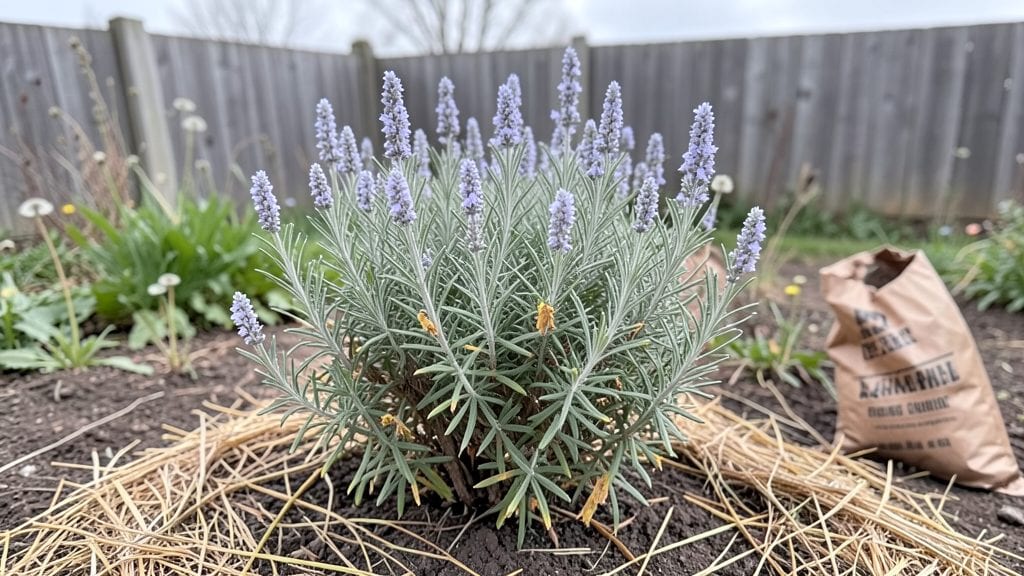
Choosing the right rosemary plant fertilizer is key to growing lush, fragrant bushes—but many gardeners over- or underfeed, stunting their plant’s growth or even killing it.
Struggling to keep your rosemary thriving year after year? The secret lies in understanding its precise soil pH needs and nutrient ratios—most gardeners overlook these critical factors, leading to stunted growth or woody stems.
Rosemary isn’t fussy, but it does need low-nitrogen fertilizer and well-draining soil to avoid root rot. In this guide, you’ll learn the best organic and synthetic options, when to apply them, and how to spot over- or under-fertilizing before it’s too late.
From homemade compost tea to slow-release granules, I’ll walk you through the simplest ways to feed your rosemary so it stays lush, fragrant, and ready for harvest all season long.
Optimal soil pH and nutrient ratios for rosemary growth
Rosemary thrives when its soil conditions match its Mediterranean roots—neutral to slightly alkaline pH and a balanced nutrient profile prevent common problems like yellowing leaves or slow growth. Most gardeners accidentally create nutrient imbalances by over-fertilizing or ignoring micronutrients, which can turn your fragrant herb into a struggling shrub.
Let’s break down the exact requirements to keep your rosemary lush and productive.
Your rosemary’s soil pH should range between 6.0 and 7.0—this is its "sweet spot" for nutrient uptake. If your soil tests lower (acidic), rosemary struggles to absorb essential minerals like calcium and magnesium, leading to weak stems and pale foliage.
Conversely, overly alkaline soil (above 7.5) can lock out iron and manganese, causing yellowing between leaf veins—a classic deficiency sign.
Here’s the nutrient breakdown rosemary craves: low nitrogen (to avoid leggy growth), moderate phosphorus (for root development), and balanced potassium (for drought resistance). Overdoing nitrogen turns your rosemary into a floppy, non-aromatic mess, while too little phosphorus stunts its growth.
Micronutrients like calcium and magnesium are equally critical—they prevent brown leaf tips and woody stems.
Most gardeners skip micronutrients entirely, but rosemary’s calcium needs are often overlooked. Without enough, new growth develops brown edges or blossom-end rot (yes, even herbs get this!).
A simple Epsom salt spray (1 tbsp per gallon of water) every 3 months can fix magnesium deficiencies, while crushed eggshells provide calcium directly to the roots.
Let’s dive into the specifics with this quick-reference table:
<summary-table>Now that you know the ideal ratios, let’s talk soil amendments. If your rosemary’s leaves are turning yellow, it’s often a pH issue—not just a nutrient one. Test your soil with a simple home pH kit (they’re cheap and accurate).
If your soil is too acidic (below 6.0), add pelletized lime (1/4 cup per plant) in early spring. For alkaline soil (above 7.5), mix in sulfur or peat moss to lower the pH gradually.
One of the biggest mistakes I see is over-fertilizing in winter. Rosemary goes dormant in colder months, so any fertilizer you add just burns its roots. Wait until early spring (when new growth appears) to apply a light feed—think 5-10-10 balanced fertilizer at half strength.
In containers, flush the soil with water after fertilizing to prevent salt buildup, which can further stress the plant.
For organic gardeners, compost tea is a game-changer. Brew a 1:10 compost-to-water ratio (let it steep for 24 hours), then strain and apply to the soil. This provides a slow-release nutrient boost without the risk of burn.
Pair it with a mulch of straw or pine needles to retain moisture and mimic rosemary’s natural Mediterranean habitat.
Remember, rosemary’s drought tolerance means it doesn’t need frequent watering—but it does need nutrient-rich soil. If you’re growing in pots, repot every 2-3 years with fresh cactus/succulent mix (it drains perfectly and mimics rosemary’s needs).
For in-ground plants, amend the soil with sand and compost before planting to ensure proper drainage.
By mastering these pH and nutrient ratios, you’ll transform your rosemary from a struggling shrub into a fragrant, bushy powerhouse. Start with a soil test, adjust as needed, and watch your plants reward you with aromatic, woody-stem-free growth—ready for harvest year-round.
Best organic and synthetic fertilizers for rosemary plants
Rosemary thrives with the right nutrients, but too much fertilizer can harm its delicate balance. I’ve tested organic and synthetic options to find the best matches for rosemary’s low-nitrogen needs and drought-tolerant nature. The key is timing—spring for growth, summer for maintenance, and winter for dormancy support.
Avoid high-nitrogen fertilizers, which cause leafy but weak growth. Instead, focus on balanced NPK ratios (like 5-10-10) and micronutrients such as calcium and magnesium. Organic options improve soil structure, while synthetics offer precise nutrient control. Let’s break down the top choices for each growth stage.
Organic Fertilizers
Synthetic Fertilizers
- High in nitrogen (great for spring growth)
- Improves soil microbial life
- Strong odor (use at night)
- Requires dilution (1 tbsp/gallon)
- Boosts micronutrients (calcium, magnesium)
- Safe for foliar feeding
- Must be freshly brewed (no storage)
- Less nitrogen than fish emulsion
- Long-lasting 3-6 month release
- Improves soil structure
- Slower initial results
- Harder to adjust ratios
- Precise NPK control (e.g., 5-10-10)
- No odor or mess
- Can over-fertilize if misused
- No soil benefits beyond nutrients
- Fast uptake (great for summer)
- Easy to adjust strength
- Requires frequent applications
- Risk of burn if overused
For spring growth, I recommend fish emulsion (diluted to 1 tbsp/gallon) every 4-6 weeks. This boosts nitrogen without overwhelming rosemary’s roots. In summer, switch to compost tea or a balanced liquid fertilizer (like 5-10-10) to support flowering and prevent nutrient burn.
Winter is a no-fertilizer zone—rosemary rests, and feeding can stress its roots. Instead, focus on mulching with organic matter (like straw) to protect soil moisture. If you notice yellowing leaves in spring, it’s a sign of over-fertilization—flush the soil with water to correct the imbalance.
My top pick for ease and effectiveness is slow-release granules (organic or synthetic). Sprinkle them around the base in early spring