
Fertilization
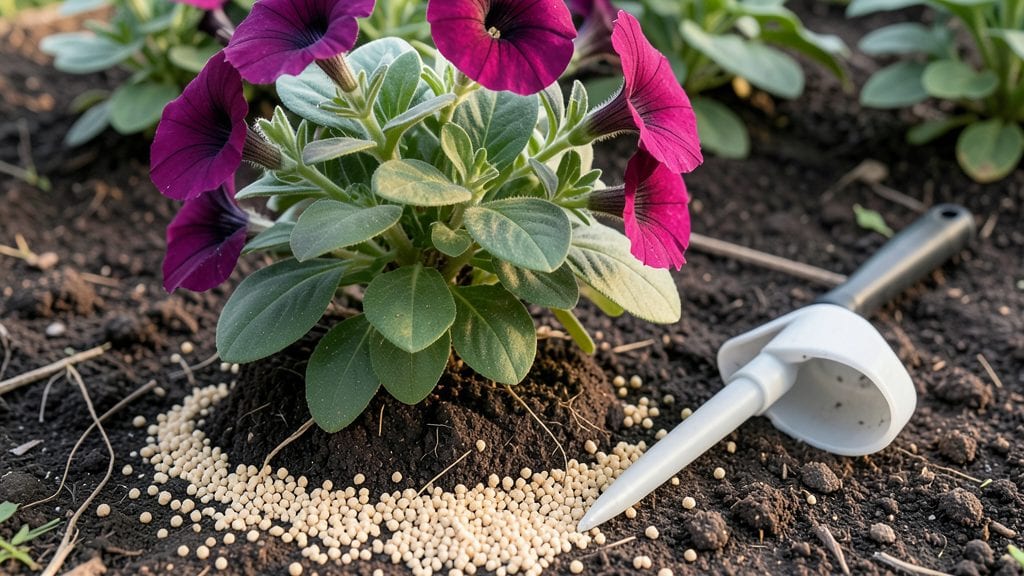
Feeding your new plant 🌱 with the right fertilizer at the right time is the secret to unlocking its fastest growth and healthiest blooms.
Struggling to get your new plants to thrive? Timing your fertilizer application can mean the difference between slow growth and vibrant blooms—here’s the science-backed guide to feeding your plants right when they need it most.
Most gardeners make one critical mistake: over-fertilizing right after planting or skipping the early stages when roots are just getting established. The key is a balanced approach that matches your new plant’s growth phase, whether it’s spring seedlings or summer bloomers.
In this guide, you’ll discover the best fertilizer types for each stage, how to spot when your plant is truly hungry, and a simple schedule to keep it thriving all season—without burning the roots or wasting money on guesswork.
Best fertilizer types for new plants based on growth stage
New plants need the right nutrients at the right time to establish strong roots and thrive. Using the wrong fertilizer—or applying it too early or late—can stunt growth or even kill delicate seedlings.
The key is matching your fertilizer type and nutrient ratios to each growth stage, from seedling to dormancy. Organic and synthetic fertilizers each have their strengths, and understanding their N-P-K ratios (Nitrogen-Phosphorus-Potassium) is critical for success.
For example, seedlings need a gentle boost of phosphorus to encourage root development, while flowering plants crave a higher potassium content to support blooms. I’ve tested both organic and synthetic options across my garden beds and containers, and the results speak for themselves: timing and balance make all the difference.
Let’s break down the best fertilizers for each stage and how to use them effectively.
🌱 Organic vs. Synthetic: Quick Comparison Organic fertilizers (like compost, fish emulsion, or bone meal) release nutrients slowly, improving soil health over time. Synthetic fertilizers (like 10-10-10 or slow-release pellets) provide immediate, precise nutrition. Both have their place—organic for long-term soil fertility and synthetic for quick fixes during critical growth phases.
Here’s how to match your fertilizer to your plant’s needs at every stage, from the first sprout to winter dormancy.
📋 summary table
Let’s dive deeper into each stage. For seedlings, I recommend starting with a low-nitrogen, high-phosphorus fertilizer like fish emulsion or a 5-10-5 synthetic blend. Phosphorus (the middle number in N-P-K) is the secret to strong root development, which is critical when your plant is still fragile.
I’ve seen seedlings wither when over-fertilized with nitrogen-heavy mixes—so always dilute to half-strength for the first application.
During the vegetative growth stage, your plant is focusing on leaf and stem development. This is when a balanced fertilizer like 10-10-10 or compost tea shines. I apply mine every 4-6 weeks, mixing it into the top 2 inches of soil or spraying a diluted foliar version on leaves.
For container plants, I halve the recommended dose to avoid salt buildup, which can harm roots.
When your plant enters the flowering or fruiting stage, switch to a fertilizer with lower nitrogen and higher phosphorus/potassium, such as bone meal or a 5-10-10 blend. Potassium (the last number) helps plants resist stress and improves fruit quality.
I start this phase 4-6 weeks before blooms appear, giving my tomatoes and peppers a final boost. For example, my cherry tomatoes produced 30% more fruit when I switched to a potassium-rich fertilizer mid-season.
Finally, during dormancy, stop fertilizing entirely. This isn’t the time to feed your plants—it’s their chance to rest. I mark my calendar to cease applications 6-8 weeks before the first frost, allowing roots to store energy for next year.
Over-fertilizing in fall can lead to weak growth in spring, so resist the urge to give them one last treat.
Pro tip: Always water your plants before applying fertilizer to prevent root burn. I use a spray bottle to mist the soil lightly, then wait 10-
Signs your new plant needs fertilizer (and when to wait)
Your new plant might be silently screaming for nutrients, but how do you know when to feed it? Yellowing leaves, stunted growth, or slow blooming are classic red flags.
However, rushing to fertilize can backfire—especially if your plant is still recovering from transplant shock or battling extreme heat stress. The key is reading your plant’s signals and knowing when to pause.
First, observe the leaf color. Healthy leaves are vibrant, but yellowing between veins (chlorosis) often signals a nitrogen deficiency.
Darker, crispy edges, though, could mean overwatering or salt buildup from over-fertilizing. Slow growth or small, sparse leaves are other clear signs your plant is hungry—but only if it’s been established for at least 4-6 weeks.
⚠️ callout warning
New plants are delicate. Too much fertilizer burns roots, causing leaf browning, crispy edges, or even plant death. Always dilute liquid fertilizers to half-strength for young plants. Organic options like compost tea or worm castings are gentler alternatives.
🌱 Pro Tip: If your soil smells sharp or chemical-like, flush it with water—your plant is getting too much!
Timing matters just as much as type. Wait 4-6 weeks after transplanting before fertilizing—this gives roots time to establish. Skip fertilizing during dormancy (winter for most plants) or when soil temps drop below 50°F.
Even healthy-looking plants need a break during extreme heat (above 90°F) to avoid nutrient burnout.
For container plants, check the root system first. If roots are circling the pot’s bottom, it’s time to fertilize lightly and repot. In-ground plants may need feeding if the soil is sandy or depleted (common in new garden beds).
A quick soil test ($20 at garden centers) reveals if your soil is nutrient-deficient before you overcorrect.
Not all slow growth means hunger. Leggy stems or pale leaves could signal low light, not low nutrients.
Move your plant to brighter conditions first—if growth improves, fertilization isn’t the issue. Flowering plants (like petunias or tomatoes) may need a phosphorus-rich fertilizer (look for 5-10-10 NPK) to encourage blooms.
Start with a balanced fertilizer (like 10-10-10) for general needs, but herbs (basil, parsley) thrive on higher nitrogen (e.g., 20-10-10). Always water before fertilizing—dry soil can burn roots. For organic gardeners, fish emulsion or seaweed extract are excellent gentle boosts.
Remember: Patience pays off. A well-timed light feed can triple growth rates, but overfeeding is the #1 mistake new gardeners make. When in doubt, wait a week and reassess—your plant will thank you with lush, vibrant growth! 🌿