
Planting
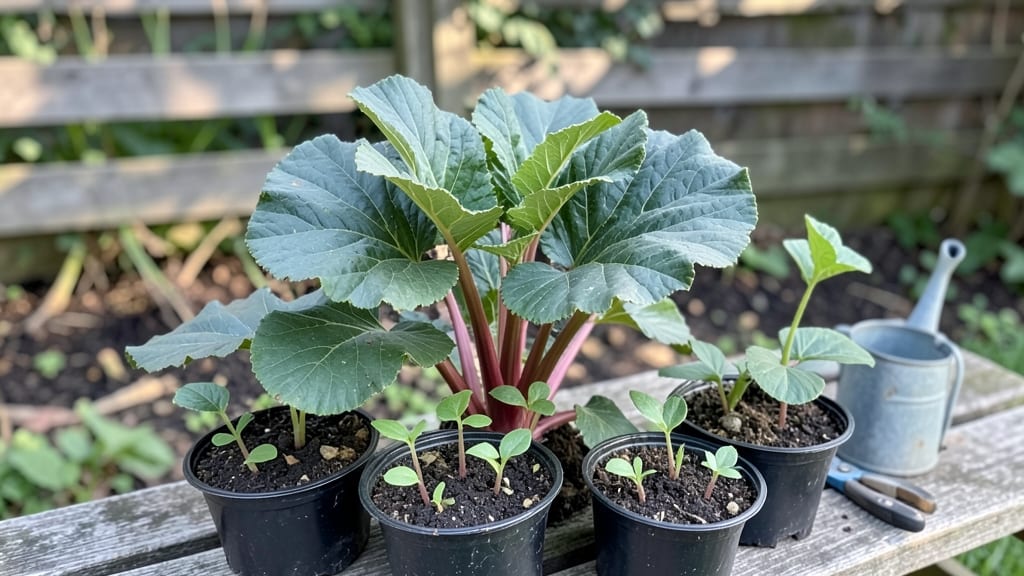
Planting rhubarb in the right season means the difference between a perennial harvest for years and a sad, struggling plant that never thrives.
Planting rhubarb at the wrong time can mean the difference between a thriving garden staple and wasted effort—yet most gardeners get the timing wrong. Discover the exact planting window and hardiness zones that guarantee your rhubarb crowns take root successfully every season.
This cold-hardy plant 🍃 loves early spring soil that’s thawed but not yet too warm, ideally between March and April in most regions. Too early, and frost will kill tender roots; too late, and summer heat arrives before the crowns establish.
Below, I’ll break down the best months by USDA zone, soil prep secrets, and why fall planting almost never works—plus how to tell if your rhubarb is ready to harvest in just 6 months.
When to plant rhubarb by hardiness zone: exact months and climate rules
Rhubarb thrives when planted at the right time, but the perennial nature of this hardy plant means timing varies dramatically across USDA hardiness zones 3-9. Unlike annuals, rhubarb crowns need cool soil and stable temperatures to establish roots before summer heat arrives.
Planting too early in warm climates causes crown rot, while late planting in cold zones delays harvests by a full season.
My zone 6a garden (typical for Midwest gardeners) gets rhubarb crowns in the ground by late March to early April, but gardeners in zone 9 must wait until November to avoid summer stress.
The key is understanding your last frost date and soil temperature thresholds—rhubarb roots struggle when soil exceeds 75°F (24°C).
Here’s the exact planting window for each zone, including regional exceptions like Pacific Northwest rain shadows and Gulf Coast humidity. I’ve also included soil prep tips to ensure your crowns take root before summer heat arrives.
| USDA Zone | Ideal Planting Window | Soil Temp Threshold | Key Climate Rule | Regional Exception |
|---|---|---|---|---|
| Zones 3-4 | Early spring (April 1–May 15) | 40–50°F (4–10°C) | Plant after last frost when soil thaws. | Northern lakes regions: Wait for ice melt. |
| Zones 5-6 | Late March–early April | 45–55°F (7–13°C) | Avoid planting if night temps drop below 30°F. | Appalachia: Plant 2 weeks later due to late frosts. |
| Zones 7-8 | Fall (October–November) or early spring (Feb) | 50–60°F (10–16°C) | Fall planting avoids summer heat stress. | Southeast: Skip spring planting if soil stays warm. |
| Zone 9 | Late fall (November) only | 60–65°F (16–18°C) | Spring planting fails due to year-round heat. | Desert zones: Plant earlier to escape summer dryness. |
For zones 3-4, I recommend planting rhubarb crowns as soon as the ground is workable—typically 4-6 weeks before your last frost date. In my zone 6a garden, that means mid-March, but I always check soil temps with a soil thermometer to avoid cold shock.
If your area has late spring frosts (like the Pacific Northwest), delay planting until May 1 to protect tender roots.
Gardeners in zones 7-9 often struggle with summer heat, which causes rhubarb to bolt or rot. The solution? Fall planting is your best bet—aim for October-November when soil cools below 70°F (21°C).
I’ve seen zone 8 gardeners in Georgia plant in late November and achieve harvests the following spring, while those in zone 9 must plant in November or risk failure.
One common mistake is planting rhubarb too early in warm climates. I’ve had zone 7 gardeners in Texas try spring planting and lose entire crowns to fungal diseases because the soil stayed too warm. The fix? Wait until fall or use shade cloth to cool the planting area during summer.
If you’re in a short-season zone (like zone 4), focus on soil preparation before planting. Amend your soil with compost and peat moss to improve drainage—rhubarb hates soggy roots. I also add a 2-inch layer of mulch after planting to retain moisture and regulate soil temps.
For container growers, timing shifts slightly. Since pots heat up faster, plant rhubarb crowns in late spring (after May 15) in zones 5-6, and always use black plastic pots to absorb excess heat.
In zone 9, containers are the only safe option—plant in November and move to partial shade during summer.
Remember: Rhubarb is a perennial, so getting the timing right the first year sets up decades of harvests. If you miss the window, don’t panic—just wait until next season and adjust your planting date based on your zone’s frost patterns.
With the right timing, you’ll enjoy juicy stalks for years with minimal effort.
5 Critical mistakes that ruin rhubarb planting (and how to avoid them)
Even experienced gardeners make costly mistakes when planting rhubarb crowns. The difference between a thriving perennial and a failed crop often comes down to timing, soil prep, or simple oversight.
I’ve seen rotting crowns from overwatering, stunted growth from low pH soil, and wasted money on dormant crowns planted too late. Let’s fix these before your next planting season.
One of the biggest errors is planting rhubarb too deep. Many gardeners bury the crown too far, which suffocates the root system and prevents proper growth. The top of the crown should sit just above soil level, with roots spreading naturally.
I’ve dug up failed rhubarb patches where the crowns were buried 3 inches deep—no surprise they never produced stalks!
Another silent killer is ignoring soil pH. Rhubarb thrives in slightly acidic to neutral soil (pH 6.0–7.0). If your soil is too alkaline (pH 8.0+), the plant struggles to absorb essential nutrients, leading to yellow leaves and poor growth.
Always test your soil before planting—it’s a 5-minute fix that saves months of frustration.
- Never plant when soil temps are below 50°F—wait until spring frost danger passes.
- Overwatering in early stages causes root rot. Water lightly but consistently until leaves appear.
- Skip crown inspection? You risk planting dormant or diseased stock. Always check for firm, plump buds.
Skipping crown inspection before planting is another common mistake. A healthy rhubarb crown should have firm, white buds and no signs of mold or soft spots. I once planted a batch of crowns that looked fine but were actually dormant from poor storage.
By the time I realized, it was too late for that season. Always inspect for freshness and viability—your future harvest depends on it!
Overwatering in the early stages is a fast track to root rot. Rhubarb crowns need moist but well-draining soil, not soggy conditions. I’ve seen gardeners drown their new plants by watering daily in spring, leading to mushy roots and failed establishment.
Instead, water lightly every 3–4 days until leaves emerge, then adjust based on rainfall.
Finally, planting in shade or compacted soil stunts growth. Rhubarb needs 6–8 hours of sunlight daily for strong stalks. If your garden is shady, choose a partial-shade spot with morning sun.
And always loosen soil to 3–4 inches deep—compacted soil restricts root expansion and reduces yields. A little compost or sand mixed in goes a long way!