
Plants
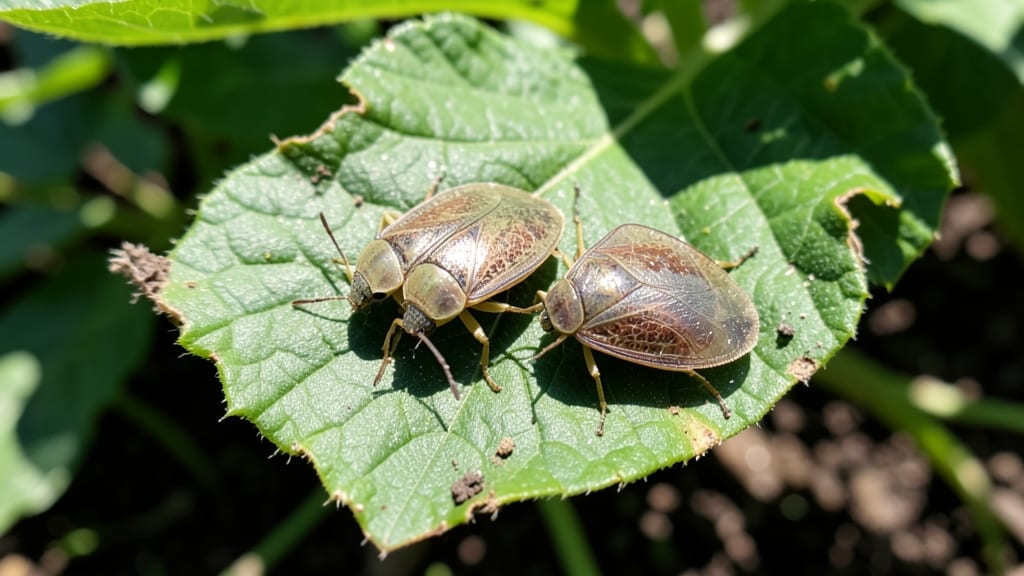
Stink bugs on plants don’t just ruin your harvest—they leave behind a stinky reminder of their visit. 🌿 I’ve spent years testing humane ways to remove them without harming my garden’s delicate balance, and what works is surprisingly simple once you know the tricks.
These shield-shaped pests target tomatoes, peppers, and fruit trees, but they’re no match for the right approach.
The key is acting fast before they multiply. A damp soapy cloth or cardboard traps work better than sprays, and timing matters—early morning is when they’re slowest. I’ve even used neem oil (diluted properly) to deter them without killing beneficial insects.
The goal isn’t just removal but preventing them from returning to your favorite plants.
By the end, you’ll have a garden where stink bugs are just a memory. Your tomatoes stay blemish-free, your peppers grow sweeter, and your ornamental plants thrive without the telltale brown spots.
The best part? These methods protect pollinators and keep your garden ecosystem healthy. Let’s get those pests out for good.
Works for home gardens, container plants, and even balcony setups—no matter where the stink bugs show up. Here’s how to reclaim your garden without the chemicals. The secret is in the details, and I’ve got them covered.
Root Causes Of Plant Infestations
Stink bugs don’t just show up on your plants by accident—they’re drawn by specific factors that make your garden an all-you-can-eat buffet. Understanding these triggers helps you disrupt their cycle before they become a full-blown problem. Let’s break down the science behind why these shielded pests target your plants.
Stink bugs have a keen sense of smell, and certain plants release volatile organic compounds (VOCs) that act like dinner bells. These chemicals, often emitted by stressed or flowering plants, signal high nutritional value. For example:
- Tomatoes, peppers, and beans release compounds like methyl salicylate (the same chemical in wintergreen) when damaged, which stink bugs detect from up to 20 feet away.
- Corn and soybeans produce green leaf volatiles (GLVs), which stink bugs associate with tender, nutrient-rich tissues.
- Fruiting plants emit ethylene gas as fruits ripen, luring stink bugs to feed on developing seeds or flesh.
Actionable insight: If you notice stink bugs clustering near specific plants, those varieties may be especially vulnerable. Consider replacing high-risk crops with stink-bug-resistant alternatives like okra or collard greens, which emit fewer attractant chemicals.
Stink bugs are opportunistic hitchhikers that seek refuge in warm, sheltered microclimates—especially during cooler months. Your garden’s architecture plays a surprising role:
- Thick foliage or mulch piles create humid, shaded hiding spots where stink bugs can overwinter undetected.
- Weedy areas or unkempt borders provide both food and shelter, making them breeding grounds.
- Structural gaps (e.g., loose siding, cracks in patios, or gaps under doors) allow them to migrate indoors when temperatures drop.
Scientific note: Stink bugs enter diapause (a dormant state) in autumn, lowering their metabolism to survive winter. They’ll re-emerge in spring when temperatures hit 50°F (10°C), seeking out fresh greenery.
Actionable fix: Reduce hiding spots by:
Stink bugs are highly responsive to environmental cues, and their behavior shifts with the seasons. Here’s how climate influences their plant raids:
| Season | Stink Bug Behavior | Why It Happens |
|---|---|---|
| Spring (40–60°F / 4–15°C) | Emerge from overwintering sites; target young shoots and buds. | Cool temps trigger feeding to rebuild energy stores after dormancy. |
| Summer (70–90°F / 21–32°C) | Peak activity; cluster on fruits/veggies to feed and lay eggs. | Warmth accelerates reproduction—females lay 20–30 eggs per clutch in hidden crevices. |
| Fall (50–70°F / 10–21°C) | Seek shelter; migrate toward structures for overwintering. | Declining temps trigger diapause; they seek insulated spots to survive winter. |
Actionable tip: Monitor stink bug activity during spring and fall transitions—these are peak migration periods. Set up yellow sticky traps near plant bases to track movements early.
Stressed plants are like neon signs to stink bugs. When plants suffer from drought, disease, or nutrient deficiencies, they emit distress signals that stink bugs interpret as a “help yourself” invitation.
- Drought-stressed plants produce higher levels of abscisic acid (ABA), a hormone that stink bugs detect as a sign of weakened defenses.
- Viral or fungal infections (e.g., tomato spotted wilt) alter plant chemistry, making tissues easier to penetrate.
- Over-fertilized foliage can create soft, sugary growth that stink bugs find irresistible.
Pro tip: 💡 Deep watering (1–2 inches per week) and balanced fertilization (avoid nitrogen-heavy mixes) can reduce stress signals. Healthy plants naturally produce repellent compounds like α-terthienyl, which deters pests.
Quick Fixes for Stink Bug Infestations
Stink bugs on your plants can feel like an unwelcome invasion, but the good news is that you can tackle them effectively without resorting to harsh chemicals.
Below are practical, humane solutions tailored to the most common causes—whether they’re sneaking in from outside, hiding in your garden, or multiplying in your home. Each fix includes prevention tips to keep these pests from returning.
If stink bugs are drifting in from outside, sealing entry points and disrupting their path is your first line of defense.
🔥 Seal Gaps and Cracks
Stink bugs slip through tiny openings—even a 1/16-inch gap is enough! Inspect your home’s exterior for:
- Window and door frames (use weather stripping or caulk)
- Vents, chimneys, or attic openings (install fine mesh screens)
- Foundation cracks (seal with concrete caulk)
💡 Pro Tip: Focus on south- and west-facing walls—stink bugs love basking in the sun before sneaking inside.
🍳 Diatomaceous Earth (DE) for Gardens
Sprinkle food-grade diatomaceous earth around plant bases, flower beds, and along fences.
This non-toxic powder dehydrates stink bugs by damaging their exoskeletons. - How to apply: Lightly dust a 1-inch band around plants (reapply after rain). - Safety: Wear a mask when applying to avoid inhaling fine particles.
🌡️ Heat or Cold Traps (Outdoor Control)
Stink bugs are cold-sensitive—use this to your advantage! - For small infestations: Place a black plastic trash bag filled with soapy water in the sun.
Stink bugs will crawl in and drown. - For larger areas: Set up yellow sticky traps (they’re attracted to the color) near entry points.
If stink bugs are already on your plants, remove them by hand or use plant-safe repellents.
👨🍳 Hand-Picking (Best for Small Infestations)
- When to do it: Early morning when bugs are sluggish.
- How to do it: 1. Wear gloves (they release odor when crushed).
- Shake plants gently over a bucket of soapy water (1 tbsp dish soap + water).
- Dispose of them immediately—don’t crush them near your home (the smell attracts more!).
💡 Pro Tip: Use a magnifying glass to spot eggs (tiny, football-shaped) on undersides of leaves—scrub them off with a soft brush and soapy water.
🥘 Essential Oil Spray (Non-Toxic Repellent)
Stink bugs hate strong scents. Mix:
- 1 cup water
- 10 drops peppermint, citrus, or neem oil
- 1 tsp dish soap (as an emulsifier)
Spray directly on bugs (they’ll leave quickly) or around plant bases as a deterrent. Reapply every 3–4 days or after rain.
🔪 Kaolin Clay as a Barrier
This natural mineral creates a protective film that bugs dislike.
- How to use: Mix 1 part kaolin clay + 2 parts water, stir, and spray on leaves (avoid flowers if pollinators visit).
- Bonus: Also repels aphids, beetles, and caterpillars.
Once you’ve removed stink bugs, break their cycle with these habits:
| Prevention Step | How to Do It |
|---|---|
| Reduce Outdoor Attractants | Remove weeds, fallen leaves, and debris—stink bugs hide in these spots. |
| Prune Plants Regularly | Trim overgrown branches near your home to eliminate hiding spots. |
| Install Fine Mesh Screens | Cover vents, chimneys, and attic openings with 16-mesh or finer screens. |
| Use Reflective Mulch | Lay aluminum foil or reflective landscape fabric around garden beds—stink bugs avoid shiny surfaces. |
| Encourage Natural Predators | Attract birds, ladybugs, and parasitic wasps with native plants like dill, fennel, and marigolds. |
🎯 Final Tip: Monitor weekly in late summer/fall (peak stink bug season) and act fast—early removal prevents a full-blown infestation!
By combining physical barriers, natural repellents, and good garden hygiene, you can keep stink bugs at bay without harming your plants—or your conscience. 🌱🐞
Frequently asked questions
Why do stink bugs cluster on my tomato plants more than others?
Tomatoes release methyl salicylate when damaged, which stink bugs detect as a high-value food signal from up to 20 feet away. Their sweet, ripening fruit also emits ethylene gas—like a dinner bell for these pests. Try planting okra or collard greens nearby as less attractive alternatives.
Can I use soapy water to remove stink bugs from my plants?
Yes! Mix 1 tablespoon dish soap with 1 gallon water and spray directly on bugs or their egg clusters. The soap disrupts their protective shield. For best results, apply in early morning when they're sluggish. Avoid overspraying flowers to protect pollinators.
Will diatomaceous earth kill beneficial insects too?
Food-grade diatomaceous earth targets insects with soft exoskeletons (like stink bugs) while sparing most beneficials. However, it can dry out earthworms and bees if overapplied. Use a 1-inch band around plant bases only, and reapply after rain. Always wear a mask when applying.
How do I know if stink bugs are overwintering in my home?
Look for them in sunny, sheltered spots like window sills, behind baseboards, or in attics. They'll be sluggish when temperatures drop below 50°F (10°C). Seal gaps with caulk or weather stripping and set up yellow sticky traps near entry points in fall.
Are there any plants that naturally repel stink bugs?
Yes! Marigolds, catnip, and basil contain compounds that stink bugs dislike. Plant these near vulnerable crops like peppers and eggplants. Garlic and chives also work well—their strong scent masks plant attractants. Rotate crops annually to break their life cycle.