
Pests
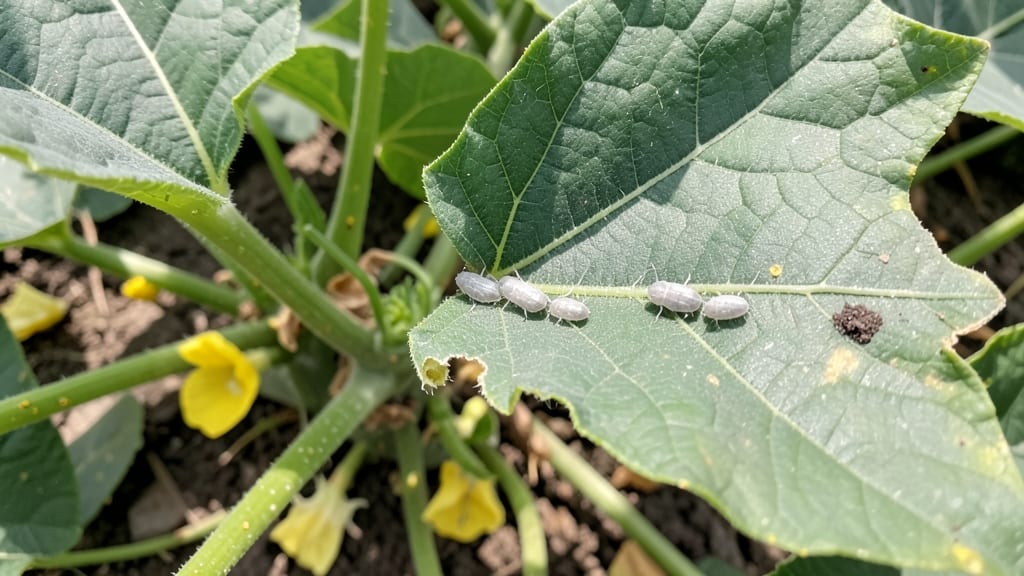
Gray squash bugs on plants are the sneaky villains of summer gardens, and I’ve learned the hard way how quickly they can turn lush vines into yellowing skeletons. 🌿 These flat, gray armored pests hide under leaves, sucking sap and leaving behind a sticky mess called honeydew that invites mold.
The first time I spotted them, my zucchini plants were already wilting—don’t let that happen to you.
Here’s the thing—these bugs thrive in warm, dry conditions, and once they set up camp, they’re tough to dislodge. They lay eggs in clusters along stems, and those nymphs (tiny but just as destructive) emerge within days.
The key to stopping them early is knowing where to look: check the undersides of leaves, especially near the stems, and watch for those telltale gray adults scurrying away when you disturb the plant.
You can remove them by hand (yes, really—just drop them in soapy water), but for a bigger infestation, I’ve had the most success with neem oil sprays or kaolin clay, which smother them without harming your harvest.
The goal is to act fast—once they’ve moved in, your plants won’t recover without intervention. Prevention is your best friend here: row covers in early season and crop rotation keep them from becoming a yearly nightmare.
This method works for squash, pumpkins, and cucumbers—basically, any plant in the cucurbit family. The sooner you spot them, the easier they are to manage. Let’s get those bugs off your plants before they ruin your harvest!
Root Causes of Gray Squash Invaders
Gray bugs on your squash plants aren’t just a random nuisance—they’re often the result of specific environmental and ecological factors that create the perfect conditions for these pests to thrive.
Understanding these causes is the first step toward preventing and controlling them effectively. Let’s break down the key reasons why these unwanted visitors show up in your garden.
Squash plants that are packed too closely together or struggling with poor health become prime targets for gray bugs. When plants are overcrowded, airflow is restricted, leading to higher humidity levels around the foliage.
This damp environment is ideal for squash bugs, which thrive in moist conditions. Additionally, stressed plants (due to drought, nutrient deficiencies, or disease) produce sweeter sap, which attracts these pests like a buffet.
Why it matters:
- Reduced vigor makes plants more susceptible to infestations.
- Weakened defenses mean they can’t fend off pests as effectively.
- Overwatering (while well-intentioned) can create soggy soil, further inviting squash bugs.
Actionable tip: 💡 Space your squash plants 3–4 feet apart and ensure they receive consistent but not excessive watering (1–2 inches per week). Healthy plants are naturally more resilient!
Gray squash bugs and their eggs love to hide in plant debris, old vines, and leaf litter. If you’re not cleaning up fallen leaves, dead plants, or even the remnants of last season’s harvest, you’re essentially providing a free hotel for these pests.
Squash bugs overwinter in garden debris, and as soon as spring arrives, they emerge ready to lay eggs on your new squash plants.
Why it matters:
- Debris acts as a shelter, protecting eggs and adults from predators and treatments.
- Old plant material can harbor diseases that further weaken your squash.
- Mulch left too close to plants can trap moisture and encourage pest activity.
Actionable tip: 🔥 Clear out garden debris in the fall and spring—especially around squash beds. Remove and compost or dispose of old vines and leaves far from your garden to break the pest cycle.
Squash bugs are most active during warm, humid weather, typically peaking in late spring to early summer. If your garden experiences hot, sticky conditions, these pests multiply rapidly. They also prefer shady or partially shaded areas, where moisture lingers longer.
Even if you don’t see them immediately, they could be hiding under leaves or in the soil, waiting for the perfect moment to strike.
Why it matters:
- High humidity keeps their eggs from drying out.
- Warmth speeds up their life cycle, leading to faster reproduction.
- Rainy seasons can wash eggs into the soil, where they attach to plant roots.
Actionable tip: ✨ Monitor weather patterns and be proactive in late spring/early summer. Use row covers or shade cloth to reduce humidity around plants if your climate is particularly sticky.
In a balanced ecosystem, squash bugs face predators like birds, parasitic wasps, ground beetles, and spiders. However, if your garden lacks biodiversity—perhaps due to heavy pesticide use, monoculture planting, or urban settings—these natural controls disappear, allowing squash bug populations to explode unchecked.
Why it matters:
- Pesticides kill beneficial insects along with pests, disrupting the food chain.
- Monoculture gardens offer fewer hiding spots for predators and more food for squash bugs.
- Urban gardens may lack the insect diversity found in rural or wild areas.
Actionable tip: 🌿 Encourage beneficial insects by planting dill, fennel, or marigolds nearby. Avoid broad-spectrum pesticides and opt for targeted organic solutions (like neem oil) to preserve predator populations.
Squash bugs aren’t picky—they’ll feast on squash, pumpkins, cucumbers, melons, and even some weeds like buffalo gourd. If your garden is adjacent to wild host plants or other susceptible crops, squash bugs will migrate from those areas to your squash patch.
Why it matters:
- Nearby infested plants act as a reservoir, constantly replenishing your garden’s pest population.
- Weeds like buffalo gourd can harbor squash bugs year-round, even when your squash isn’t planted.
Actionable tip: 🎯 Remove wild host plants within a 50-foot radius of your squash garden. If possible, rotate crops annually to starve out overwintering bugs.
Quick Fixes for Squash Plant Pests
If you’ve spotted gray bugs on your squash plants, don’t panic—these pests are manageable with the right approach! The key is identifying the culprit (likely squash bugs or spider mites) and acting fast to protect your harvest.
Below are targeted solutions for the most common causes, from organic sprays to cultural fixes, all designed to work without harsh chemicals.
Squash bugs are the top suspects for those gray, shield-shaped pests. Here’s how to tackle them:
👨🍳 Handpick and Destroy
- When: Early morning (bugs are sluggish and easier to spot).
- How: Wear gloves and inspect leaves, stems, and undersides of squash plants.
Crush adults and eggs with your fingers or drop them into soapy water. - Pro Tip: 💡 Look for clusters of eggs (tiny, tan, and football-shaped) on the undersides of leaves—scrub them off with a stiff brush or your fingernail.
🥘 Trap Crops and Barriers
- Plant trap crops like zucchini or pumpkins near your squash plants to lure bugs away.
- Use row covers (lightweight fabric) to block adults from laying eggs. Secure edges tightly to prevent entry.
🔪 Organic Sprays for Adults
- Neem oil spray: Mix 1 tbsp neem oil + 1 tsp mild soap in 1 quart of water. Spray directly on bugs (avoid blooming plants). Reapply every 5–7 days.
- Kaolin clay: Creates a protective film that deters bugs.
Apply in the evening to avoid harming pollinators. - Diatomaceous earth (DE): Sprinkle food-grade DE around the base of plants (reapply after rain). ⚠️ Avoid overuse—it can harm beneficial insects too.
If the gray pests are tiny (like dust on leaves) and moving quickly, you’re likely dealing with spider mites. These suckers thrive in dry, hot conditions.
💦 Blast Them Away
- Water spray: Use a strong hose (not pressure-washing force) to dislodge mites from leaves. Do this early in the morning to minimize plant stress.
- Pro Tip: 🌡️ Increase humidity around plants with a sprinkler system or mulch to deter mites.
🍎 Soap and Oil Sprays
- Insecticidal soap: Mix 1 tbsp liquid Castile soap in 1 quart of water. Spray until leaves glisten, focusing on undersides.
Reapply every 3–4 days. - Horticultural oil: Apply in the evening (avoid temps above 90°F) to smother mites. Follow label instructions for dilution.
🐝 Introduce Predators
- Ladybugs and lacewings are natural mite hunters. Purchase them online or attract them with dill, fennel, or yarrow planted nearby.
Once you’ve eliminated the current infestation, prevent future outbreaks with these habits:
- 🌿 Rotate crops: Avoid planting squash, cucumbers, or melons in the same spot yearly. - 🌱 Healthy soil = strong plants: Amend soil with compost to boost plant resilience.
Weak plants attract more pests. - 🕰️ Monitor regularly: Check plants weekly (especially undersides of leaves) for early signs of eggs or adults. - 🚫 Clean up debris: Remove old plant matter and fallen leaves where bugs hide over winter.
Final Note: Consistency is key—most organic solutions take 1–2 weeks to fully work. Combine methods (e.g., handpicking + neem oil) for the best results. Your squash plants (and future harvests) will thank you! 🎉
Frequently asked questions
What do gray squash bugs look like up close?
Gray squash bugs are flat, oval-shaped insects about 1/2 inch long with gray armor-like shells. Look for a distinctive grayish-brown color with a slightly lighter underside. Their nymphs (baby bugs) are tan or reddish and lack the armored appearance. Check leaf undersides and stems—they love hiding there!
Are these gray bugs harmful to my squash plants?
These pests suck sap from leaves and stems, causing wilting, yellowing, and stunted growth. They also produce sticky honeydew that attracts mold. Worse yet, their eggs overwinter in garden debris, making them a yearly threat if left unchecked. Act fast to protect your harvest!
How do I tell if it's squash bugs vs. spider mites?
Squash bugs are large, flat, and gray (easily seen with the naked eye), while spider mites are tiny (hard to see without magnification) and appear as moving dust on leaves. Squash bugs leave honeydew residue—mites don’t. Tap leaves over white paper: mites scatter like dust; bugs crawl away.
Will homemade sprays actually work against squash bugs?
Yes! A neem oil spray (1 tbsp oil + 1 tsp soap per quart of water) or soapy water (1 tsp dish soap per gallon) can kill adults and eggs. For stubborn infestations, add kaolin clay (1 tbsp per gallon) to create a protective barrier. Reapply every 5–7 days for best results. Consistency is key!
Can I save my squash plants if they're already heavily infested?
It depends! If leaves are only slightly damaged, prune affected areas and treat with organic sprays. For severe cases, remove heavily infested plants and compost them far from your garden to prevent reinfestation. Focus on protecting nearby healthy plants with row covers and beneficial insects.