
Pests
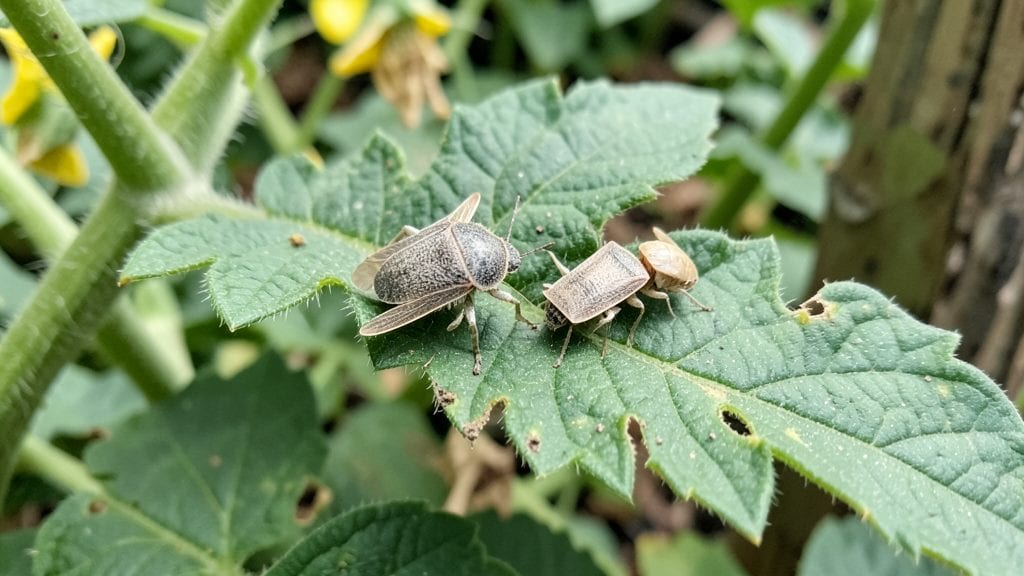
Squash bugs on tomato plants turn lush foliage into skeleton leaves overnight—those tiny gray shields hide a voracious appetite for your harvest. 🌿 I’ve watched entire tomato plants collapse under their attack, and I’ll never forget the first time I spotted the telltale black eggs clustered under leaves like tiny armor plating.
The damage isn’t just cosmetic; it stunts growth and invites rot, leaving you with bitter, undersized fruit.
Here’s the hard truth: these pests thrive in warm, dry conditions, and they’re drawn to your tomatoes like a magnet.
Most gardeners reach for chemical sprays first, but I’ve found the most effective defense is a three-step organic approach—scouting early, smashing eggs daily, and introducing beneficial predators like spined soldier bugs. It takes 10-15 minutes a week but saves your plants from devastation.
By the time you spot the first adults, it’s already too late for half your plants. But if you act now—crushing eggs, trapping adults with soapy water, and covering young plants with row fabric—you’ll protect your tomatoes from becoming a buffet.
The key is consistency; these bugs don’t give up without a fight, but neither should you.
This method works for peppers, cucumbers, and squash too—any plant in the cucurbit family is at risk. The secret isn’t just removing the bugs, but breaking their life cycle before it starts. Let’s get your tomatoes back on track before the next generation hatches.
Root Causes of Squash Bug Infestations
Squash bugs—those shield-shaped, brown invaders—don’t just randomly appear on your tomato plants. 🐛 Their presence is a sign of specific environmental and ecological conditions that create the perfect storm for their survival.
Understanding these triggers is the first step to stopping them before they devastate your garden. Let’s break down the real reasons these pests target your tomatoes.
Squash bugs thrive in gardens where plants are stressed or overcrowded, making them easier to locate and feed on. Here’s why:
- Poor Air Circulation: Dense foliage traps moisture, creating a humid microclimate that squash bugs love. 🌡️ Their eggs need high humidity to hatch, and stagnant air prevents natural predators (like parasitic wasps) from patrolling your plants. - Weakened Plants: Tomatoes under stress—whether from drought, nutrient deficiency, or disease—produce sweeter sap, which squash bugs find irresistible.
A plant struggling to photosynthesize is an open buffet. - Mulch Buildup: Organic mulch (like hay or straw) can harbor squash bug eggs over winter. If not removed, these pests emerge in spring, ready to colonize your garden.
Actionable Insight: Space tomato plants 18–24 inches apart and prune lower leaves to improve airflow. Avoid over-fertilizing with nitrogen, which promotes lush but weak growth.
Squash bugs don’t have many natural enemies, but their populations explode when their predators are missing. Common culprits include:
- Pesticide Overuse: Broad-spectrum chemicals (like neonicotinoids or pyrethroids) kill beneficial insects first—think ladybugs, lacewings, and parasitic wasps. 🦋 These predators feast on squash bug eggs and nymphs, so wiping them out leaves squash bugs unchecked. - Monoculture Gardening: Planting only tomatoes or squash family crops (cucumbers, pumpkins) removes biodiversity.
Squash bugs specialize in these plants, so a uniform garden is a feast waiting to happen. - Habitat Destruction: Removing ground cover, weeds, or wildflowers eliminates hiding spots for predators. A garden with no diversity is a squash bug’s dream.
Actionable Insight: Introduce companion plants like nasturtiums, marigolds, or dill to attract predator insects. Avoid synthetic pesticides—opt for neem oil or kaolin clay to deter squash bugs without harming allies.
Squash bugs are cold-sensitive and seek refuge in warm, protected spots. Your garden might be unintentionally providing them with a five-star hotel. Key triggers:
- Low-Growing Foliage: Squash bugs lay eggs on the undersides of leaves near the soil.
If your tomato plants have dense, drooping leaves, eggs go undetected until it’s too late. - Rocks, Debris, or Wood: Piles of garden debris, mulch, or even wooden stakes create hibernation spots for adult squash bugs.
They emerge in spring, ready to reproduce. - Greenhouse or Tunnel Effects: Plastic covers or dense canopies trap heat, accelerating their life cycle. A squash bug can go from egg to adult in just 30–45 days in warm conditions.
Actionable Insight: Clear debris from garden beds in fall and winter. Use reflective mulch (like aluminum foil) to deter adults from laying eggs. If using row covers, ensure they’re well-ventilated to prevent overheating.
Squash bugs target the same plant families year after year because they’ve learned where their food source is. If you repeatedly plant tomatoes, cucumbers, or squash in the same spot, you’re sending up a neon sign: “Free meal here!”
- Soil-Borne Signals: Plants release chemical cues when stressed or damaged. Squash bugs can detect these signals from up to 10 feet away, homing in on vulnerable crops. - Overwintering Eggs: Female squash bugs lay hundreds of eggs in soil or plant debris.
If you don’t rotate crops, next year’s plants are pre-programmed to attract them.
Actionable Insight: Follow a 3–4 year crop rotation plan. Avoid planting tomatoes or squash family crops in the same bed consecutively. Interplant with non-host crops like beans, onions, or herbs to disrupt their life cycle.
💡 Pro Tip: The key to prevention is disruption. Squash bugs rely on predictability—remove their hiding spots, confuse their senses with companion plants, and keep your garden ecosystem balanced. The less they find familiar, the faster they’ll move on!
Natural Ways to Stop Squash Bugs
Now that you understand why squash bugs invade your tomato plants, it’s time to take action! These pests can wreak havoc quickly, but with the right strategies, you can protect your harvest—organically and effectively.
Below, we’ve mapped out targeted solutions based on the root causes of infestations, from early prevention to hands-on removal. Each method is practical, easy to follow, and designed to keep your garden thriving without harsh chemicals.
The best defense is a strong offense. Squash bugs thrive in cluttered, unkempt gardens, so proactive steps can deter them before they become a problem.
- 🔥 Clear Debris & Rotate Crops Remove old plant debris, weeds, and garden trash where squash bugs lay eggs. Rotate your tomato plants yearly to disrupt their life cycle—these pests prefer the same spot annually.
- 🌡️ Use Row Covers Early Deploy floating row covers (lightweight fabric) over young tomato plants in early spring. This blocks adult squash bugs from laying eggs while allowing sunlight and water to pass through.
- 🎯 Plant Repellent Companions Interplant tomatoes with nasturtiums, marigolds, or basil—their strong scents mask tomato odors, confusing squash bugs. Avoid planting tomatoes near squash, cucumbers, or pumpkins, as these attract the same pests.
- ✨ Mulch Strategically Apply straw or grass clippings around tomato plants to create a barrier. Squash bugs dislike crawling through thick mulch, and it also helps retain moisture.
When you spot squash bugs, act fast. These pests multiply quickly, so early intervention is key.
- 👨🍳 Handpick Adults & Nymphs Wear gloves and inspect the undersides of leaves, stems, and soil surface. Squash bugs are slow-moving—gently grasp them and drop them into soapy water (1 tbsp dish soap per gallon of water). Do this daily for 2–3 weeks to break their life cycle.
- 🥘 Trap Crops & Sacrifice Plants Plant a sacrificial patch of zucchini or squash near your tomatoes. Squash bugs will flock to these first—remove them daily to protect your tomatoes. Once the trap plants are infested, pull and destroy them (do not compost).
- 🔪 Prune & Destroy Infested Foliage Clip off yellowing or wilted leaves (a sign of feeding damage) and seal them in a plastic bag for trash pickup. Never leave infested plant matter in your garden.
For larger infestations, these non-toxic sprays disrupt squash bugs without harming beneficial insects or your tomatoes.
| Solution | How to Use | Best For |
|---|---|---|
| Neem Oil Spray | Mix 1 tsp neem oil + 1 tsp mild soap + 1 quart water. Spray early morning/late evening (avoids harming bees). Repeat every 5–7 days. | Eggs, nymphs, and adults |
| Kaolin Clay (Surround WP) | Stir 1–2 tbsp per gallon of water. Sprays create a physical barrier that confuses pests. Reapply after rain. | Adults and nymphs crawling on plants |
| Beauveria Bassiana (Fungal Spray) | Apply early morning when humidity is high. The fungus infects squash bugs within days. | Severe infestations (organic-only) |
| Soap Spray (Potassium Salt) | Dissolve 2 tbsp potassium salt in 1 gallon water. Spray directly on bugs (avoid flowers). Repeat every 3–4 days. | Nymphs and soft-bodied adults |
💡 Pro Tip: Always test sprays on a small leaf first to avoid damaging your plants. Reapply after rain, as effectiveness drops with moisture.
Let nature do some of the work! These beneficial insects prey on squash bugs and can reduce populations significantly.
- 🕷️ Spiders & Ground Beetles Leave leaf litter near plants to attract these predators. They hunt squash bug eggs and nymphs at night.
- 🐝 Parasitic Wasps (Trichogramma) Release Trichogramma wasps (available at garden centers). These tiny wasps lay eggs inside squash bug eggs, killing them from within.
- 🦋 Ladybugs & Lacewings Purchase or attract these predators with dill, fennel, or yarrow planted nearby. They devour squash bug eggs and young nymphs.
If squash bugs have taken over, aggressive action is needed to save your tomatoes.
- 🌪️ Disrupt Egg-Laying Sites Squash bugs lay eggs in groups on the undersides of leaves. Scrape them off with a damp cloth or fingernail and drop them into soapy water. Check every 2–3 days during peak season (late spring to early summer).
- 🔥 Solarization (For Soil-Bound Eggs) If eggs are in the soil, cover the area with clear plastic for 4–6 weeks in hot sun. This bakes eggs and disrupts their lifecycle.
- 🍅 Sacrifice the Plant (Last Resort) If a tomato plant is severely damaged (wilting, blackened stems), remove and destroy it immediately. This prevents the spread to healthier plants.
To keep squash bugs at bay long-term: ✅ Monitor plants daily (especially undersides of leaves). ✅ Remove weeds and debris weekly. ✅ Rotate crops annually to break the pest cycle. ✅ Use row covers in early spring. ✅ Plant repellent herbs like basil or marigolds nearby.
With these strategies, you’ll minimize squash bug damage and enjoy a healthy, bountiful tomato harvest—without resorting to chemicals! 🍅💪
Frequently asked questions
Why do squash bugs specifically target tomato plants?
Squash bugs prefer tomato plants because they belong to the same nightshade family as their favorite hosts—squash, cucumbers, and pumpkins. Tomatoes provide sweet sap that attracts them, and their broad leaves offer perfect egg-laying spots. These pests also detect chemical signals from stressed plants, making healthy tomatoes even more appealing.
How can I tell if my tomato plants have squash bugs?
Look for grayish-brown shield-shaped adults (about 1/2 inch long) hiding under leaves or along stems. Check for black egg clusters (like tiny armor plating) on leaf undersides. Early signs include yellowing leaves with blackened veins and wilting vines—classic damage patterns that appear suddenly.
Are squash bugs the same as stink bugs?
No, though they’re often confused! Squash bugs have flat, shield-shaped bodies and lay eggs in clusters, while stink bugs are more rounded and release a foul odor when crushed. Both damage plants, but squash bugs specifically target cucurbit and nightshade families—tomatoes included—while stink bugs are more general feeders.
Can I use dish soap to kill squash bugs?
Yes! Mix 1 tablespoon of mild dish soap with 1 gallon of water and spray directly on squash bugs. The soap disrupts their protective outer layer, causing dehydration. For best results, apply early morning or late evening to avoid harming bees. Repeat every 3–4 days during infestations.
What’s the best time of year to prevent squash bugs?
Start in early spring by removing garden debris where overwintering eggs hide. Install row covers before flowers appear to block adults. Continue monitoring through late summer, as eggs hatch in waves. Fall cleanup is critical—remove all plant matter to starve next year’s population.