
Watering
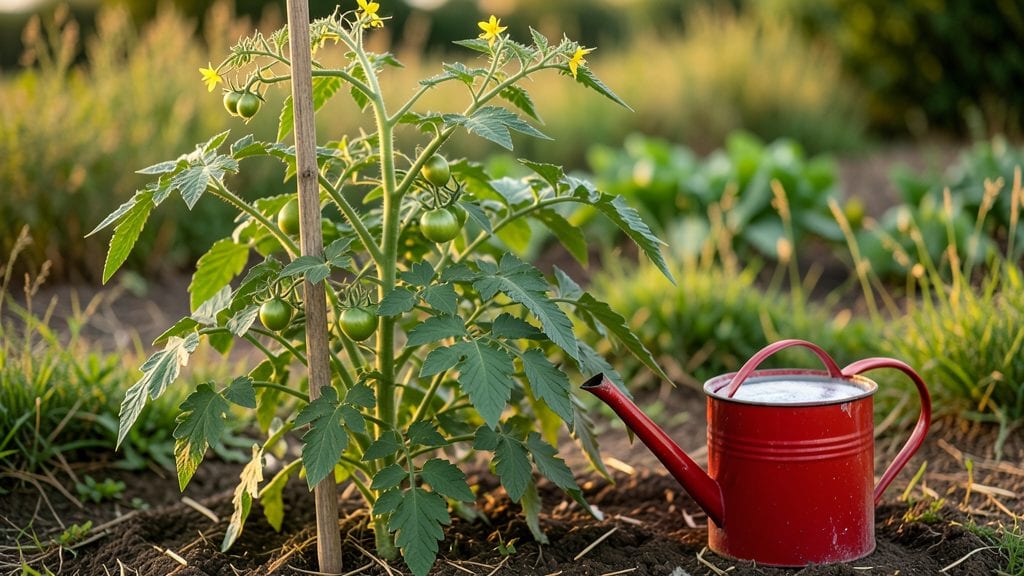
When tomato blight strikes, a simple soapy water spray can be your first line of defense—no fancy chemicals needed. 🌱 I’ve saved countless plants from wilting with this 5-minute fix, and it works just as well on aphids or powdery mildew.
The key is using the right soap and applying it correctly, without harming your plants or the beneficial insects that keep your garden in balance.
You only need 1 tablespoon of mild dish soap (like Dawn) mixed with 1 gallon of water, plus a spray bottle for even coverage. Avoid harsh soaps or detergents—they can damage leaves and disrupt the plant’s natural defenses.
This solution is safe for all tomato varieties, from heirlooms to cherry types, and can be used at any growth stage, from seedlings to heavy producers.
Spray the undersides of leaves where pests hide and fungal spores gather, focusing on early morning or evening to avoid scorching leaves in direct sunlight. Repeat every 5-7 days until the problem clears, and always follow up with proper air circulation and watering at the base to prevent future outbreaks.
It’s a foolproof way to keep your tomatoes thriving without breaking the bank.
For stubborn cases or severe blight, combine this with neem oil or copper fungicide—but start with the soap spray first. It’s my go-to for quick fixes, and it’s saved my garden more times than I can count. Ready to give it a try?
📚 In This Guide
- What you need
- Instructions
- Tips and common mistakes
- Wrapping up and next steps
What you need
- ● Mild liquid dish soap – 1 tablespoon (choose a biodegradable or plant-safe brand like Dr. Bronner’s or Castile soap). Avoid degreasers or soaps with bleach or synthetic fragrances!
- ● Water – 1 gallon (lukewarm or room temperature for best mixing).
- ● Spray bottle or watering can – 16–32 oz (with a fine mist nozzle for even coverage).
- ● Tomato plants – Any variety (container-grown or in-ground).
- ● Gloves – To protect your hands from soap residue.
- ● Funnel – For easy mixing if using a large container.
- ● pH strips – To check water hardness (aim for neutral pH 6.0–7.0).
- ● Label or marker – To tag your spray bottle (e.g., “Soapy Water – Use Weekly”).
How to use soapy water for tomato plants to prevent fungal blight
This quick, natural method keeps your tomato plants healthy without harsh chemicals.
💧 Step 1: Mix the Soapy Water Solution
Fill a 1-gallon spray bottle with lukewarm water—never hot, as it can damage delicate plant tissues. Add 1 tablespoon of mild liquid dish soap (like Dawn or Castile soap) and swirl gently to dissolve. Avoid using degreasers or soaps with strong fragrances—they can harm plants. The solution should look slightly cloudy but not sudsy; excess bubbles can clog leaf pores.
I like to mix this in the early morning when temperatures are cooler. This gives the plants time to dry before the heat of the day, reducing stress. If you notice the solution separating, give it a quick shake before use—it should blend smoothly for even coverage.
✂️ Step 2: Inspect and Prep the Plants
Before spraying, examine your tomato plants for signs of fungal blight—look for yellowing leaves, dark spots, or white powdery growth. Focus on the undersides of leaves and stem junctions, where moisture often lingers. Remove any severely infected leaves with clean, sharp scissors and discard them in the trash (not the compost). Healthy leaves will bounce back faster with this treatment.
If your plants are dusty, lightly brush them with a soft-bristle brush to remove debris. Dust blocks the soap from reaching the plant surfaces effectively. I always spray in a shady or breezeless spot—direct sunlight can cause the soap to dry too quickly, leaving streaks that may irritate the foliage.
🌿 Step 3: Apply the Soapy Water Evenly
Hold the spray bottle 12-18 inches away from the plant and apply the solution until the leaves glisten—this ensures full coverage. Start with the top leaves and work your way down to the lower stems and undersides. Avoid wetting the flowers or fruit, as soap residue can affect taste or cause minor blemishes. A light mist is enough; you’re not trying to soak the plant.
Spray in early morning or late afternoon when temperatures are below 85°F. Hotter conditions can cause the soap to dry too fast, leaving residue that might clog stomata (tiny leaf pores). After spraying, let the plants air-dry naturally—don’t rush with a fan or direct airflow, as this can stress the plants.
🌱 Step 4: Follow Up and Monitor
Reapply the soapy water every 7-10 days as a preventive measure, or immediately after rain if you’ve seen early signs of blight. Consistency is key—this isn’t a one-time fix but a maintenance routine. Keep an eye out for new growth after treatment; healthy, vibrant leaves mean the method is working. If you notice any browning edges or wilting, reduce future applications and focus on improving airflow around the plants.
I also like to pair this with pruning for better airflow. Remove any crowded or overlapping branches to let sunlight and air circulate freely. This combo—soapy water + pruning—keeps fungal spores from taking hold in the first place. Store any leftover solution in a cool, dark place for up to 2 weeks, but I find it’s best to mix fresh batches for each treatment.
Tips & tricks for perfect tomato plant care with soapy water
A few simple strategies will help you get the most out of this natural blight defense method.
Soap Selection Matters: Not all dish soaps work equally well. Stick with mild, fragrance-free options like Dawn or Castile soap—they're gentle enough for plants but tough enough to fight fungal spores. Avoid degreasers or heavily scented soaps, which can damage leaves or leave harmful residue. I've found that unscented Castile soap works particularly well for sensitive tomato varieties.
Timing is Everything: The 85°F temperature guideline in Step 3 isn't just about avoiding heat stress—it's about giving the soap time to work properly. When temperatures exceed this, the solution dries too quickly, leaving residue that can actually clog leaf pores. I've noticed the best results occur when spraying during the coolest part of the day, right after sunrise or just before sunset.
Leaf-by-Leaf Application: In Step 3, when you're applying the solution, focus on getting both sides of each leaf—fungal spores often hide on the undersides where moisture lingers. I like to use a soft paintbrush to gently lift leaves and ensure thorough coverage. This method takes a bit more time but makes a noticeable difference in preventing blight spread.
Storage Strategy: While you can store leftover solution for up to 2 weeks, I've found the most effective results come from mixing fresh batches each time. The soap's effectiveness can diminish over time, especially in warm conditions. If you must store it, keep the bottle in a cool, dark place and give it a good shake before each use to redistribute any settled soap.
Pro Tips for Soapy Water For Tomato Plants
- A few simple strategies will help you get the most out of this natural blight defense method.
- Soap Selection Matters: Not all dish soaps work equally well.
- Timing is Everything: The 85°F temperature guideline in Step 3 isn't just about avoiding heat stress—it's about giving the soap time to work properly.
Frequently asked questions
Got questions about using soapy water on your tomato plants? You’re not alone! Here are some of the most common concerns—and straightforward answers to help you grow healthier, blight-free tomatoes with ease.
Can I use any soap, or does it need to be a specific kind?
Stick to mild, biodegradable soaps like castile, dish soap (unscented), or horticultural soap. Avoid detergents with bleach, fragrances, or harsh chemicals—they can harm plants or leave residue that attracts pests. A few drops in a gallon of water is all you need!
How often should I spray soapy water on tomato plants?
Apply every 7–10 days during growing season (spring to fall) as a preventive measure. If you spot early signs of blight (yellowing leaves, dark spots), increase to weekly until the issue clears. Always spray in the early morning so leaves dry quickly—moisture + soap = recipe for leaf burn!
Will soapy water kill my tomato plants if I use too much?
Overdoing it can strip natural oils from leaves, making plants vulnerable to stress or pests. Signs of overuse: brown, crispy leaf edges or wilting. If this happens, rinse plants with plain water immediately and reduce frequency. Dilution is key: 1–2 teaspoons of soap per gallon max!
Does rain wash away the soapy water’s effects?
Yes! Rain will dilute the soap within 24–48 hours, so reapply after heavy downpours. For extra protection, spray again 3–4 days later to rebuild the fungal barrier. Pair soapy sprays with proper spacing between plants to improve airflow—this helps soap work better and reduces blight risks.
What’s a good alternative if I don’t have soap?
Try these DIY fungal defenses:
- Baking soda spray: 1 tbsp baking soda + 1 tsp oil + 1 gallon water (add a drop of soap as a surfactant).
- Neem oil: 2 tbsp neem oil + 1 tsp mild soap per gallon (great for blight and pests!).
- Copper fungicide: Follow label instructions for organic blight control.
Rotate methods to prevent resistance in fungal spores!
Wrapping up and next steps
Soapy water isn’t just a kitchen trick—it’s a game-changer for protecting your tomato plants from fungal blight! 🌱 With just a few simple ingredients, you’ve got a natural, budget-friendly solution that keeps your garden thriving.
The key is consistency: monitor your plants regularly, and don’t hesitate to act at the first sign of trouble.
Ready to put this method to work? Start small—test it on a few leaves first, then expand as you see results. Your tomatoes (and your peace of mind) will thank you!