
Companion Plants
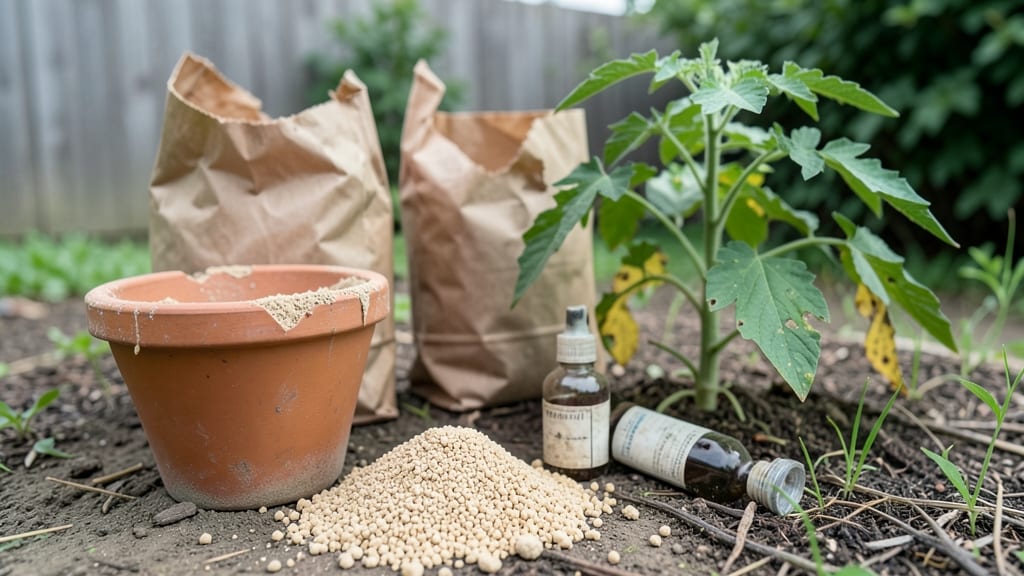
Pyrethrin for plants serves as a fast-acting, natural insecticide made from chrysanthemum flowers that targets common pests like aphids, mites, and caterpillars while breaking down quickly in sunlight. Always dilute properly and apply during cooler hours for best results.
This plant-based insecticide disrupts the nervous systems of pests on contact, causing paralysis and death within minutes. 🌿 Unlike synthetic pesticides, pyrethrin breaks down rapidly in sunlight, reducing environmental persistence—ideal for organic gardens where you want to avoid harming pollinators like bees when applied correctly.
The key is timing: cooler mornings or evenings minimize bee exposure while maximizing effectiveness against soft-bodied insects.
For best results, mix with a mild soap or horticultural oil to improve adhesion and coverage. Reapply every 7-14 days during active pest seasons, but always follow label instructions since concentrations vary by product.
The natural origin makes it safer for edible plants, though it won’t prevent future infestations without proper garden hygiene.
💡 In This Article
- How Pyrethrin Works Against Garden Pests
- Safe Application Tips for Pyrethrin Sprays
How pyrethrin works against garden pests
Pyrethrin attacks pests by disrupting their nervous systems through a unique chemical mechanism. When sprayed, these compounds bind to sodium channels in insect nerve cells, causing rapid, uncontrolled firing of nerve impulses. This overstimulation leads to paralysis and death within minutes—a process called "knockdown effect."
The active ingredients, pyrethrin I and II, are particularly effective against soft-bodied insects like aphids and caterpillars, but they also target mites and beetles.
The selectivity of pyrethrin comes from how insects process these compounds differently than mammals. While bees and other beneficial insects can metabolize pyrethrin faster due to their efficient detoxification enzymes, pests like aphids lack these defenses.
This is why proper timing matters—applying during cooler hours reduces exposure to bees while maximizing impact on target pests. The breakdown process begins immediately upon exposure to light, a phenomenon called photodegradation.
What sets pyrethrin apart from synthetic pyrethroids is its rapid environmental degradation. Natural pyrethrin breaks down completely in 24-48 hours when exposed to sunlight, unlike synthetic versions that persist for weeks. This makes it ideal for organic gardens where you want to minimize residue buildup.
The compounds work best in direct contact with pests, which is why thorough coverage and reapplication every 7-14 days are crucial during active infestations.
Here's how the breakdown process works: ultraviolet light triggers a chemical reaction that splits pyrethrin molecules into harmless byproducts.
This photodegradation explains why you should always apply pyrethrin-based sprays in the evening or early morning—not only to protect pollinators but also to preserve the active ingredients until they can do their job.
The natural origin also means it won't leave toxic residues that could harm soil microbes or future plantings.
For organic gardeners, this natural insecticide offers a middle ground between harsh chemicals and manual pest control. Unlike neonicotinoids that systemically poison plants, pyrethrin works on contact only. This targeted approach means you can treat specific plants without worrying about widespread contamination.
The key limitation is that it won't prevent future infestations—you'll need to combine it with cultural practices like crop rotation and beneficial insect introductions for long-term pest management.
What most gardeners don't realize is that pyrethrin's effectiveness varies by pest type. While it excels at controlling soft-bodied insects, some pests like certain beetle species may develop resistance over time.
This is why rotating with other natural insecticides like neem oil or kaolin clay can be beneficial for comprehensive pest control. The natural breakdown also means you won't get the same long-term residual protection as synthetic chemicals.