
Propagation
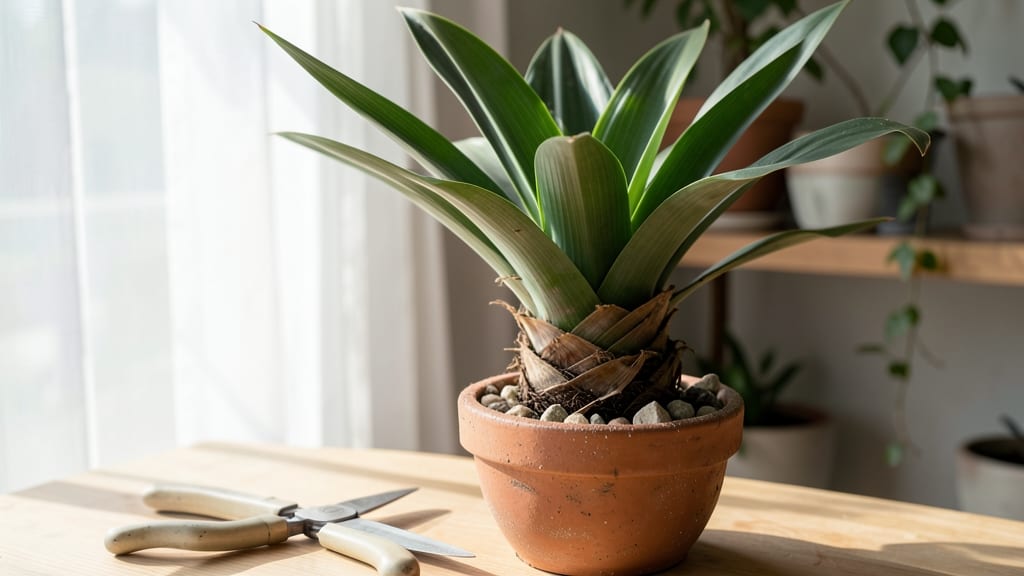
My pandan plant has been sending out those little suckers like it’s trying to take over the kitchen, and honestly, I’m not complaining. 🌱 Propagating pandan is one of those gardening hacks that turns a single plant into a whole jungle of fragrant, fast-growing stems—with just water or soil and a little patience.
The secret isn’t complicated: you need a healthy parent plant with offshoots, a jar of water or well-draining soil mix, and a warm, humid spot. Most people worry about drowning the roots, but pandan is forgiving—just don’t let it sit in soggy conditions.
I’ve rooted cuttings in both water and soil, and both methods work, though water lets you watch those roots grow like magic.
By the time you’re done, you’ll have a backup plant (or three) ready to fill your home with that sweet, citrusy scent. The best part? These babies grow fast—new leaves appear within weeks if you keep the humidity up.
Just avoid overwatering, and you’ll be the envy of every plant lover who’s struggled with finicky tropicals.
Works for kitchen windowsills, bathrooms with natural light, or even a shady corner if you add a humidity tray. Let’s get those cuttings growing!
📚 In This Guide
- What you need
- Instructions
- Tips and common mistakes
- Wrapping up and next steps
What you need
- ● Pandan plant: A healthy, mature plant with at least 2–3 leaves (or a cutting with a node).
- ● Sharp pruning shears or scissors: Sterilized to prevent disease (rubbing alcohol works!).
- ● Water propagation: Clear glass jar or container (8–12 oz, wide-mouth preferred).
- ● Room-temperature filtered or distilled water (chlorine-free!).
- ● Soil propagation: Well-draining potting mix (e.g., 50% peat moss + 50% perlite or coconut coir).
- ● Small pots (3–4 inches in diameter) with drainage holes.
- ○ Rooting hormone (optional but helpful): Powder or gel formula for faster growth.
- ● Humidity dome or plastic bag: To create a mini greenhouse (for soil propagation).
- ● Spray bottle: For misting (keeps humidity high!).
- ● Label markers: To track propagation dates.
- ● Warmth: Ideal temps of 70–85°F (21–29°C)—pandan loves heat!
- ● Bright, indirect light: Avoid harsh sun (think dappled shade or east-facing windows).
- ● Patience: Roots take 4–8 weeks to form—stay consistent!
- ● Sterile environment: Clean tools and containers reduce rot risk.
Step-by-Step instructions for propagating pandan plants
Here's how to multiply your humidity-loving pandan plant using simple water or soil methods.
🌱 Step 1: Select and Prepare Healthy Stems
Choose a mature pandan stem with at least 3-4 inches of growth and visible roots forming at the base. I look for stems with 2-3 leaves still attached—they'll provide energy for root development. Use clean, sharp scissors to cut just below a leaf node where roots might emerge.
Remove any lower leaves that would sit underwater if propagating in water. This prevents rot and focuses energy on root growth. For soil propagation, keep all leaves intact to maintain photosynthesis. Place cuttings in a shaded spot for 4-6 hours to let the cut ends callus over slightly—this reduces rot risk.
💧 Step 2: Choose Your Propagation Method
For water propagation, place the stem in a clear glass jar filled with 2-3 inches of room-temperature water. The leaves should stay above water. I use filtered or rainwater—tap water's chlorine can stress the plant. Change the water every 3-4 days to prevent bacterial growth.
For soil propagation, fill a small pot with moistened well-draining potting mix and make a small hole with your finger. Insert the stem about 1 inch deep and firm the soil gently around it. Keep the mix consistently moist but never soggy—pandan roots need airflow.
☀️ Step 3: Provide Ideal Growing Conditions
Place your propagation setup in bright, indirect light—think 60-70% shade under a sheer curtain. Direct sun will scorch new growth, while too little light slows root development. I keep my setups near an east-facing window where light is gentle but abundant.
Maintain 70-80°F temperatures and high humidity by covering with a plastic bag secured loosely with a rubber band. Mist the leaves daily if propagating in soil. Roots should appear in 4-6 weeks for water propagation, or 6-8 weeks when using soil.
🪴 Step 4: Transition to Permanent Pot
Once roots reach 2-3 inches long in water, transfer to a small pot with fresh potting mix. I dip the roots in a rooting hormone powder first—it doubles success rates. Plant at the same depth as before and water lightly to settle the soil.
For soil-propagated cuttings, wait until you see new leaf growth before transplanting. Harden off by gradually reducing humidity over 1 week—remove the plastic cover for increasing periods each day. This prevents shock when moved to normal growing conditions.
Tips & tricks for perfect pandan plant propagation
These simple tricks will help you avoid common pitfalls and maximize your success with humidity-loving pandan cuttings.
Selection Matters: In Step 1, when choosing your stems, look for ones with visible root formation at the base—this is your best indicator of healthy growth potential. I've found that stems with 2-3 leaves attached provide just enough energy for root development without overburdening the cutting. Confession: I skipped this step for years and wondered why so many of my cuttings failed.
Root Development: For water propagation, the 4-6 weeks timeline can feel long, but patience pays off. Change that water every 3-4 days to prevent bacterial growth—this is non-negotiable. I use a clear jar so I can monitor root progress without disturbing the cutting. Once roots reach 2-3 inches, they're ready for their permanent home.
Environmental Control: Maintaining 70-80°F temperatures and high humidity is crucial in Step 3. I've had the best success using a plastic bag secured loosely with a rubber band—it creates the perfect microclimate. For light, an east-facing window provides ideal 60-70% shade conditions. Too much direct sun will scorch new growth, while insufficient light slows everything down.
Transition Strategy: The 1-week hardening off period in Step 4 is where many people rush and end up with stressed plants. Gradually reduce humidity by removing the plastic cover for increasing periods each day. This slow transition prevents shock when your new plants move to normal growing conditions. I start with just 10 minutes uncovered on day one and work up to full exposure by day seven.
Pro Tips for Propagate Pandan Plant
- These simple tricks will help you avoid common pitfalls and maximize your success with humidity-loving pandan cuttings.
- Selection Matters: In Step 1, when choosing your stems, look for ones with visible root formation at the base—this is your best indicator of healthy growth potential.
- Root Development: For water propagation, the 4-6 weeks timeline can feel long, but patience pays off.
Frequently asked questions
Got questions about propagating your pandan plant? You’re not alone! Here are some of the most common queries—and their straightforward answers—to help you grow those fragrant, tropical leaves with confidence.
How long does it take for pandan cuttings to root in water?
Patience is key! Most pandan cuttings will develop roots in 4 to 8 weeks when placed in water. Keep the water clean and change it every 3–5 days to prevent bacterial growth. Once roots reach 2–3 inches, they’re ready to transplant to soil. Pro tip: Speed up rooting by using room-temperature, filtered water and placing the jar in bright, indirect light.
Can I propagate pandan from a single leaf or do I need a stem?
You’ll need a stem with at least 2–3 leaves (or a node) for successful propagation—single leaves won’t regrow. Look for healthy, mature stems with no signs of yellowing or damage. Snip just below a node (the bump where leaves grow) for the best results. Troubleshooting: If your cutting has only 1 leaf, let it grow a bit longer before propagating.
Should I use water or soil for pandan propagation?
Both work, but water is easier for beginners because it lets you monitor root growth. For soil, use a well-draining mix (like peat moss + perlite) and keep it consistently moist (not soggy). Water propagation is great for troubleshooting root rot, while soil mimics natural conditions faster. Swap tip: Try water first—if roots struggle, switch to soil with a rooting hormone for a boost.
Why is my pandan cutting turning yellow or mushy?
Yellowing or mushy stems usually mean overwatering, rot, or bacterial infection. If propagating in water, change it immediately and trim any soft spots. In soil, ensure pots have drainage holes and avoid letting the plant sit in standing water. Fix it: Snip off damaged areas (below the rot) and replant in fresh, sterile medium. Keep humidity high (like a plastic bag over the cutting) to help recovery.
Can I propagate pandan from a store-bought plant?
Many grocery-store pandan plants (like those used for cooking) can be propagated. Look for healthy stems with nodes—avoid plants treated with growth inhibitors (common in commercial bundles). Rinse off any preservatives, then follow your preferred method (water or soil). Bonus: Store-bought plants often root faster because they’re already established!
What’s the best time of year to propagate pandan?
Pandan thrives in warm, humid conditions year-round, but spring or early summer (when growth is most active) is ideal. Avoid winter if your space is dry or cold—pandan cuttings need 70°F+ temperatures to root well. Year-round hack: Use a humidity tray or misting bottle to create a mini tropical environment indoors.
Wrapping up and next steps
Propagating a pandan plant is a rewarding journey that connects you with nature’s fragrant beauty—whether through water or soil! 🌱 With the right tools, patience, and a little care, you’ll soon be nurturing lush, thriving roots ready to grow into a stunning houseplant.
Now that you’re equipped with knowledge, why not start your propagation today? Grab a healthy stem, follow the steps, and watch your green thumb shine!
🌿 Next Steps:
- Pick a healthy pandan stem and begin your propagation adventure!
- Monitor your cuttings closely in the first few weeks for best results.
- Share your progress with fellow plant lovers—inspiration spreads!