
Planting
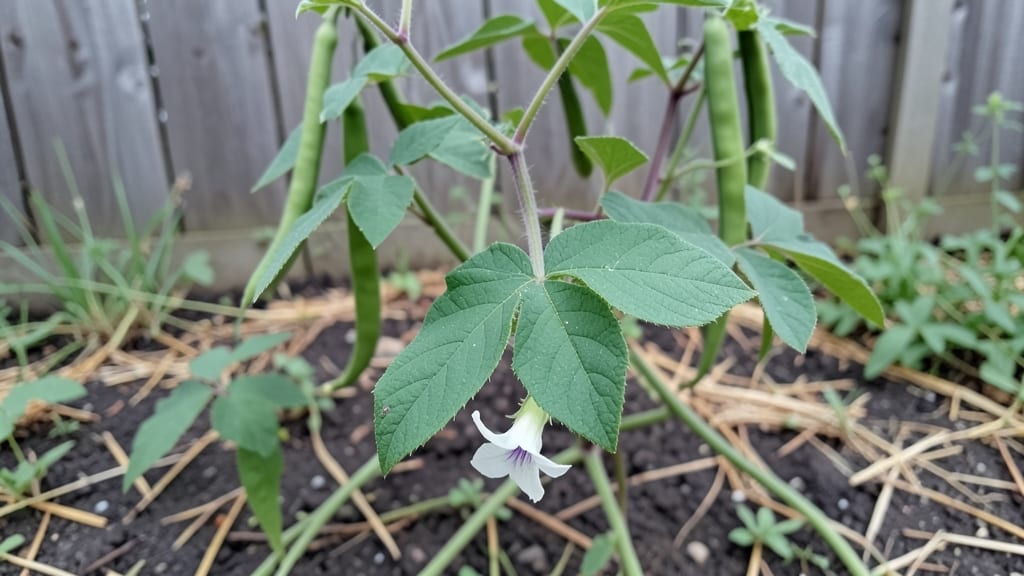
A bean stalk plant thrives in tight spaces, yielding a bounty of homegrown beans that outshine anything from the store—here’s how I turned my balcony into a vertical garden. ✨ maximizes every square inch. The key? Choosing the right varieties and giving them something sturdy to climb.
You’ll need a trellis or strong stakes (bamboo works great), well-draining soil mixed with compost, and a sunny spot that gets at least 6-8 hours of light daily. Varieties like ‘Kentucky Wonder’ or ‘Rattlesnake’ thrive on stalks, producing sweet pods all season long.
Even in small pots, these plants reward you with heavy yields if you keep them watered and supported.
By mid-summer, you’ll be snapping fresh beans straight from the vine, their crisp texture and rich flavor beating anything from a can. The plants also add vertical interest to gardens, breaking up the monotony of flat beds.
With proper care, one stalk can feed a family for weeks—no grocery store needed.
Works for balconies, patios, or even indoors near bright windows. Here’s how to get started without overcomplicating it—no green thumb required, just patience and a little upward thinking.
📚 In This Guide
- What you need
- Instructions
- Tips and common mistakes
- Wrapping up and next steps
What you need
- ● Bean seeds: Choose fast-growing varieties like Pole Beans (e.g., 'Kentucky Wonder' or 'Blue Lake')—5-10 seeds per container.
- ● Vertical growing structure: A trellis (3-6 feet tall), cage (5-7 feet), or wall-mounted pockets (10-12 pockets) for climbing support.
- ● Potting mix: 10-15 lbs of well-draining, organic potting soil (avoid garden soil—it compacts too much!).
- ● Containers: 5-10 gallon pots (with drainage holes) or vertical planters (if using wall pockets).
- ● Watering can or hose: With a gentle spray nozzle to avoid disturbing soil.
- ● Fertilizer: Balanced, water-soluble fertilizer (10-10-10 ratio) or compost tea for organic growth.
- ● Gloves: Protect your hands from dirt and thorns.
- ● Trowel or small shovel: For planting seeds and mixing soil.
- ○ Plant ties or twine: To gently secure young vines to the trellis (optional but helpful!).
- ● Mulch: Straw or shredded leaves to retain moisture (1-2 inches).
- ● Pest control: Neem oil or insecticidal soap (for aphids or beetles).
- ○ Sunlight meter (optional): To check if your space gets 6-8 hours of sunlight/day—bean stalks thrive in full sun!
Step-by-Step guide to growing pole beans vertically in small spaces
Transform your tiny balcony or patio into a productive vertical garden with these simple steps.
🪴 Step 1: Set Up Your Vertical Trellis Structure
Start by assembling a sturdy trellis that can support 4-6 foot tall bean plants. I like using a 3-foot wide wooden frame with vertical strings or a 5-foot tall A-frame trellis made from bamboo stakes. The key is spacing the vertical supports 12-18 inches apart so vines can weave through easily.
Position your trellis in a location that gets full sun (6+ hours daily). If you're using a balcony railing, attach a heavy-duty wire mesh that runs vertically along the railing. This creates instant vertical growing space without taking up floor area. Make sure the structure is stable enough to handle mature plants with heavy pods.
🌱 Step 2: Prepare Soil and Plant Seeds
Fill containers or in-ground spaces with well-draining soil mix enriched with compost. For containers, use a blend that's at least 12 inches deep to accommodate root growth. I like to add a handful of aged manure or worm castings to the planting hole to give beans a nitrogen boost they'll love.
Plant seeds 1 inch deep and 3-4 inches apart in rows. For vertical growing, I plant seeds directly below the trellis so vines have immediate support. Water gently after planting to settle the soil around seeds. Keep the soil consistently moist (not soggy) until germination, which typically occurs in 7-14 days depending on your climate.
💧 Step 3: Train Vines and Maintain Growth
As soon as seedlings reach 4-6 inches tall, gently guide the main stem toward the trellis. I use soft twine or my fingers to weave vines through the vertical supports. This encourages upward growth and prevents sprawling. Be patient—don't force the vines or you'll damage tender stems.
Water at the base of plants 1-2 inches deep when the top inch of soil feels dry. Pole beans need consistent moisture, especially during flowering and pod development. I water in the morning to prevent fungal issues. Fertilize lightly with a balanced organic fertilizer every 3-4 weeks once plants are established, but avoid heavy nitrogen which promotes leafy growth over pods.
✂️ Step 4: Harvest and Prune for Continuous Production
Start harvesting when pods reach 4-6 inches long and are firm but still tender. I pick every 2-3 days to encourage more production. Use sharp scissors or your fingers to snap pods cleanly from the vine. Regular harvesting prevents the plant from putting energy into seed development and keeps production going.
Throughout the season, prune any side shoots that grow below the first 12 inches of the main stem. This redirects energy to upward growth and pod production. Also watch for any yellowing leaves—these indicate overwatering or nutrient deficiency. Remove them promptly to maintain plant health.
Tips & tricks for perfect vertical pole bean growth
A few key strategies will help you maximize your vertical garden's potential and avoid common pitfalls that can stunt your bean plants.
The Trellis Foundation: Don't skimp on stability when building your trellis in Step 1. I learned this the hard way after watching a homemade bamboo frame collapse under 5-foot-tall vines loaded with pods. For extra security, anchor your trellis to a sturdy post or wall using zip ties or heavy-duty clips. The 12-18 inch spacing between vertical supports is perfect for letting vines weave naturally—just make sure your frame can handle the weight.
Soil Prep Secret: In Step 2, that 12-inch deep container requirement isn't just about roots—it's about creating an oxygen-rich zone where beans can thrive. I like to mix in a handful of coffee grounds along with the aged manure for an extra boost of nitrogen. The key is keeping that soil loose and well-aerated while still holding moisture. Packed soil will suffocate your bean roots faster than you can say "vertical garden."
Watering Wisdom: The 1-2 inch deep watering guideline in Step 3 is your golden rule, but timing matters just as much. I water my beans in the morning so any excess moisture evaporates during the day, preventing fungal issues. Never let the soil dry out completely between waterings—beans are drought-sensitive once they start flowering. A simple finger test works best: stick your finger an inch deep; if it feels dry, it's time to water.
Harvesting Hack: When pods reach that 4-6 inch harvest size in Step 4, here's a pro move: snap them off just above the pod where it meets the vine. This prevents damage to the vine and encourages more production. I harvest every 2-3 days without fail—this consistent picking is what keeps my plants producing for weeks instead of just a few days. And always harvest in the morning when pods are crispest!
Pro Tips for Bean Stalk Plant
- A few key strategies will help you maximize your vertical garden's potential and avoid common pitfalls that can stunt your bean plants.
- The Trellis Foundation: Don't skimp on stability when building your trellis in Step 1.
- Soil Prep Secret: In Step 2, that 12-inch deep container requirement isn't just about roots—it's about creating an oxygen-rich zone where beans can thrive.
Frequently asked questions
Got questions about growing a bean stalk plant in your vertical garden?
Here are answers to the most common ones—so you can plant with confidence!
How tall can a bean stalk plant grow in a vertical garden?
A well-supported bean stalk (like pole beans or scarlet runners) can reach 6–12 feet tall in a vertical setup! Use sturdy trellises, cages, or towers to guide their growth. Prune regularly to encourage bushier growth and prevent overcrowding. Pro tip: Train vines early to avoid tangled messes!
When is the best time to plant bean stalks for vertical gardens?
Wait until after the last frost when soil temps hit 60°F+ (spring) or 6–8 weeks before your first fall frost (for warm climates). Bean stalks thrive in warmth—plant seeds 1 inch deep, 4–6 inches apart once the soil is cozy!
Can I grow bean stalks indoors or in small spaces?
Use container vertical gardens (like wall pockets or hanging planters) with 5–10 gallon pots for dwarf varieties (e.g., ‘Mascotte’ or ‘Blue Lake’). Place near a sunny window or grow lights—just ensure 6+ hours of light daily. Bonus: Rotate pots for even growth!
What should I do if my bean stalks develop yellow leaves or pests?
Yellow leaves often mean overwatering or nutrient deficiency—let soil dry slightly between waterings and add compost. For pests (like aphids or bean beetles), spray with neem oil or introduce ladybugs. Preventative tip: Mulch to deter soil-borne pests!
Are there low-maintenance bean stalk alternatives for beginners?
Try ‘Kentucky Wonder’ pole beans (fast-growing, hardy) or ‘Rattlesnake’ beans (disease-resistant). For zero-fuss options, bush beans (like ‘Blue Lake’) grow compactly but still climb if supported. Hot tip: Start with 1–2 plants to test your setup!
Wrapping up and next steps
Growing a bean stalk plant in a vertical garden is a game-changer for small spaces—it’s functional, space-saving, and rewarding! 🌱 Whether you’re a beginner or a seasoned gardener, these fast-growing climbers add beauty, shade, and even edible harvests to your home.
Start small, experiment with designs, and watch your walls transform into a lush, thriving oasis.
Ready to take the next step? Pick your favorite variety, gather your supplies, and let your vertical garden grow! 🌿