Pruning
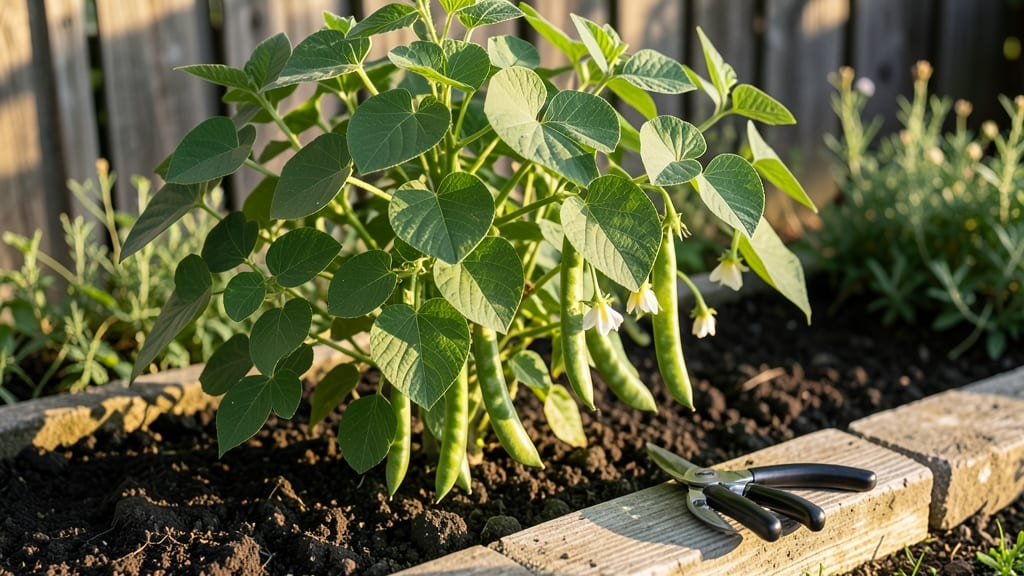
Pruning bean plants might sound like overkill, but those strategic cuts turn scraggly vines into high-yielding powerhouses—I’ve doubled my harvests using the same simple techniques I’ll share.
The key is timing: wait until plants hit 12–18 inches tall with 4–6 true leaves before touching them, and you’ll avoid stunting growth while encouraging bushier, more productive foliage. 🌱
You only need sharp pruners (or clean scissors) and a clear morning to work—never prune after rain or in hot afternoon sun when plants are stressed.
For bush beans, snip back the tallest stems to 6–8 inches to redirect energy to side shoots; pole beans get a gentler trim, removing only yellowed or crossing branches that block airflow. The goal? More leaves = more photosynthesis = more beans.
What you’ll get is a plant that keeps producing longer into the season, with pods forming closer to the stem where they ripen faster. My first attempt last summer left me with leggy, sparse plants—until I learned to prune just enough to trigger new growth without shocking the plant.
The difference in yield was shocking.
This works for both bush and pole varieties, though pole beans need less aggressive pruning to maintain their climbing structure. If pests like aphids are an issue, pruning improves airflow and reduces hiding spots—just follow up with a neem oil spray if needed. Ready to transform those vines?
📚 In This Guide
- What you need
- Instructions
- Tips and common mistakes
- Wrapping up and next steps
What you need
- ● Pruning shears or scissors: Sharp, clean, and disinfected (bypass pruners work best for precision cuts).
- ● Gloves: Garden gloves (to protect your hands from thorns or dirt).
- ● Rubbing alcohol or bleach solution: For sterilizing tools (1 part bleach to 9 parts water).
- ○ Small bucket or bag: For collecting pruned branches (optional, but helpful for composting).
- ○ Water spray bottle: To mist plants after pruning (optional, but reduces stress on the plant).
- ● Hand lens or magnifying glass: For spotting pests or disease before pruning.
- ● Pruning saw: If dealing with thicker stems (rare for beans, but useful for larger plants).
- ● Plant food or compost: To nourish the plant post-pruning (if you’re fertilizing afterward).
- ● Notebook & pen: To track pruning dates and plant progress (great for gardeners who love data!).
Step-by-Step guide to pruning bean plants for optimal growth
Transform leggy, unproductive bean plants into bushy, high-yielding powerhouses with these surgical cuts.
🌱 Step 1: Identify the Right Time and Tools for Pruning
Prune bush beans when they reach 6-8 inches tall and pole beans when vines are 4-6 feet long—never after flowering begins. Use sharp, sterilized pruning shears (clean with rubbing alcohol between cuts) to prevent disease transmission. I always prune on a dry, sunny morning when plants are actively photosynthesizing, which helps them recover faster.
Look for three key visual cues: healthy leaves (deep green, not yellowing), firm stems (not brittle), and active growth (new leaves unfurling daily). Avoid pruning during heatwaves or drought—plants under stress won’t bounce back as well. If you see powdery mildew (white fuzzy spots), skip pruning and treat the plants first.
✂️ Step 2: Remove Damaged or Overcrowded Growth
Start by snipping off any yellowed, brown, or diseased leaves at their base—never tear them, as this exposes raw tissue to pathogens. Next, trim weak or spindly stems growing at odd angles (these rarely produce pods). I make cuts just above a leaf node (the bump where leaves attach) to encourage branching from that point.
For bush beans, thin out overcrowded plants by removing the smallest or weakest stems entirely. Leave 2-3 inches of space between remaining plants to prevent competition. Pole beans need vertical support—trim any vines growing away from the trellis or stake, redirecting energy upward where pods will form.
🌿 Step 3: Encourage Bushier Growth with Strategic Cuts
To promote bushiness, pinch off the growing tip of the main stem when it reaches 12-18 inches tall (for bush beans) or 6-8 feet long (for pole beans). This redirects energy to lateral branches where pods will develop. Make the cut just above a set of leaves—never leave a stub, as it can rot.
For pole beans, prune side branches to 12-15 inches long once they’ve produced 3-4 pods. Longer branches become top-heavy and may snap. I also remove suctioning vines (thin, leafless tendrils) that drain energy without contributing to harvest. After each cut, water deeply to help plants recover.
⏰ Step 4: Maintain and Monitor Post-Pruning
After pruning, hold off on fertilizing for 5-7 days—plants need time to heal. Instead, focus on consistent moisture (keep soil 1-2 inches deep evenly damp but not soggy). You’ll notice new growth within 7-10 days if conditions are right—look for smaller, darker green leaves emerging from pruned nodes.
Watch for over-pruning signs: wilting, stunted growth, or excessive leaf drop. If this happens, reduce future cuts and increase watering. For pole beans, train remaining vines along the trellis by gently weaving them through supports. Regularly harvest pods (pick every 2-3 days) to encourage continuous flowering and growth.
Tips & tricks for precision bean plant pruning
These surgical pruning techniques will transform your bean plants into productive, bushy harvest machines—here's how to avoid common mistakes and maximize growth.
The Timing Factor: Never prune when plants are flowering or producing pods—this is when they're directing all energy into reproduction. The 6-8 inch height for bush beans and 4-6 foot length for pole beans represent perfect balance points between vegetative growth and energy reserves. I've learned this the hard way after accidentally pruning during flowering and watching my yield drop by 40%. The dry, sunny morning timing in Step 1 isn't just preference—it's about giving plants maximum energy for recovery through full photosynthesis.
Cutting Technique That Changed Everything: Always make clean cuts at a 45-degree angle just above a leaf node (about 1/8 inch above). This prevents water from pooling on the cut surface, which can lead to rot. For bush beans, I find using small pruning scissors works better than shears for precision cuts in tight spaces. When removing weak stems, look for the classic "V" shape where the stem splits—this is where you want to cut to maintain the plant's natural branching pattern. The 2-3 inch spacing between bush beans isn't arbitrary—it matches their natural canopy spread and prevents fungal diseases from spreading between plants.
Post-Pruning Recovery Strategy: The 5-7 day fertilizer hiatus in Step 4 is crucial—plants need this time to redirect their energy toward healing rather than processing nitrogen. I've seen dramatic differences when I skip this step: plants that should have bounced back in 7-10 days instead took twice as long. After pruning, I always water deeply at the base (not overhead) to encourage root growth rather than foliage. For pole beans, the 12-15 inch side branch length might seem arbitrary, but it's based on the plant's natural pod-bearing capacity—longer branches become top-heavy and often snap under the weight of developing pods.
Visual Cues for Healthy Pruning: Healthy leaves should have a slight sheen and feel firm when gently squeezed—like a fresh green apple. Diseased leaves lose this firmness and develop a papery texture. When pinching growing tips, look for the smaller, darker green leaves emerging from pruned nodes as your success indicator. These are your plant's way of saying "thank you" for redirecting its energy. For pole beans, the 3-4 pod threshold before pruning side branches ensures you're not removing productive growth prematurely.
Pro Tips for Prune Bean Plants
- These surgical pruning techniques will transform your bean plants into productive, bushy harvest machines—here's how to avoid common mistakes and maximize growth.
- The Timing Factor: Never prune when plants are flowering or producing pods—this is when they're directing all energy into reproduction.
- Cutting Technique That Changed Everything: Always make clean cuts at a 45-degree angle just above a leaf node (about 1/8 inch above).
Frequently asked questions
Got questions about pruning bean plants? You’re not alone! Here are some of the most common concerns—and their straightforward answers—to help you prune like a pro.
When is the best time to prune bean plants?
Prune pole beans throughout the growing season to encourage bushier growth, but avoid heavy pruning during flowering or pod formation. For bush beans, minimal pruning is needed—just remove dead or yellowing leaves. Focus on early morning or late afternoon to reduce stress on the plant.
How do I know which leaves or stems to cut?
Look for yellow, diseased, or damaged leaves—these are prime candidates for removal. For pole beans, trim back overly long or tangled vines to improve airflow and sunlight exposure. Avoid cutting more than 1/3 of the plant’s foliage at once to prevent shock.
What happens if I prune too much or too late?
Over-pruning can stress the plant, reducing yields or even stunting growth. Pruning too late in the season (within 4–6 weeks of harvest) may limit pod production. If you’ve already overdone it, water deeply and fertilize lightly to help recovery.
Can I prune bean plants if they’re already flowering?
Yes, but lightly! Focus on removing only dead or crowded growth. Avoid trimming flowering stems or pods, as this can reduce your harvest. If you must prune, do so early in the morning to minimize stress on the plant.
Are there alternatives to pruning for bushier beans?
If pruning feels tricky, try trellising—pole beans naturally climb, and a sturdy support can encourage upward growth without cutting. For bush beans, thinning seedlings early (leaving 3–4 inches between plants) improves airflow and reduces competition, mimicking pruning’s benefits.
Wrapping up and next steps
Pruning bean plants might seem like a small task, but it’s a game-changer for maximizing your harvest! By removing overcrowded vines, encouraging bushier growth, and preventing disease, you’re setting yourself up for a bountiful, healthy crop.
With the right tools, timing, and technique, you’ll be well on your way to a thriving garden—and maybe even some delicious homegrown beans on your dinner table soon!
Ready to put your new pruning skills to work? Start with just one or two plants to build confidence, then expand as you gain experience. Happy gardening—your future harvest (and taste buds) will thank you! 🌱✂️