
Lawn
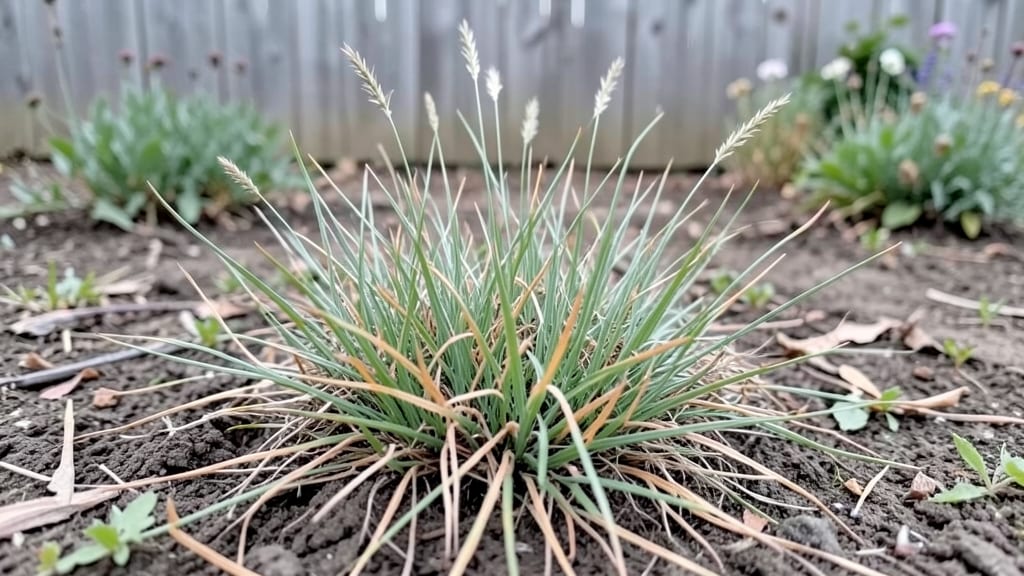
Your brown grass plant isn’t a lost cause—it’s a temporary setback with a 48-hour fix waiting to happen. 🌱 I’ve nursed back lawns from crispy patches to vibrant green in just two days, and the secret isn’t some fancy product but understanding what’s really stressing your grass.
The first step is figuring out whether it’s thirst, heat, pests, or something sneaking under the surface.
Most brown grass is just crying out for water, but not the way you think. Deep watering in the early morning—not a quick sprinkle—tricks roots into growing deeper, not just wilting faster.
If the brown spots stay stubborn after water, check for grubs or fungal spots (they leave a distinct, spongy feel when you tug). Climate matters too: Southern lawns often need shade adjustments, while Northern yards might just need a little extra nitrogen kick.
By the end of 48 hours, you’ll see the first signs of recovery—bright green veins pushing through the brown, then full revival in a week. The key is acting fast: skip the guesswork, dig into the roots (literally), and give your lawn the exact care it needs.
Here’s how to diagnose and revive it step by step.
This works for all grass types—Bermuda, Kentucky bluegrass, or even your stubborn patch of fescue. The only rule? Don’t wait until it’s bone-dry or covered in thatch. Your lawn’s comeback starts now.
Root Causes Of Dull Grass
When your once-lush lawn starts turning brown, it’s not just a cosmetic issue—it’s a cry for help from your grass. Understanding why this happens is the first step to revival. Below, we break down the most common culprits, explained in simple, actionable terms.
Grass thrives on balance, and water is its lifeline. Overwatering suffocates roots by depriving them of oxygen, while underwatering leaves them parched and brittle.
- Overwatering: Check soil moisture by digging 2-3 inches deep. If it’s soggy, cut back on irrigation. Grass needs 1-1.5 inches of water per week, including rainfall.
- Underwatering: Brown patches often appear in dry, sunken spots. Water deeply 2-3 times per week (early morning is best) to encourage deep root growth.
- Poor drainage: Compacted or clay-heavy soil traps water, leading to root rot. Test drainage by pouring water on a patch—if it pools after 6 hours, aerate or amend soil with sand/compost.
Pro Tip: 🌡️ Use a rain gauge or tuna can to measure water output—your sprinkler might be over- or under-delivering!
Just like humans, grass can get sunburned. Intense heat (especially above 90°F) and direct UV exposure cause blades to dry out and turn brown, even if soil is moist.
- Heat shock: Grasses like Kentucky Bluegrass and Fescue wilt in extreme heat. Mulch with straw to retain moisture and reduce soil temperature.
- Sun scorch: Southern or western exposures suffer first. If your grass is brown but roots feel firm, it’s likely temporary heat damage. Water lightly in the evening to cool blades.
- Dormancy: Some grasses (like Bermuda) turn brown in winter or drought to conserve energy. Check for green growth at the base—if present, it’s dormant, not dead!
Pro Tip: ✨ For high-heat areas, consider shade-tolerant grasses like Fine Fescue or Zoysia.
Brown grass often signals a lack of essential nutrients, especially nitrogen, iron, or potassium. Soil tests reveal deficiencies, but visual clues can help:
| Symptom | Likely Cause | Quick Fix |
|---|---|---|
| Uniform yellowing (pale green) | Nitrogen deficiency | Apply a balanced fertilizer (10-10-10) or compost. |
| Brown streaks or spots | Iron or manganese deficiency | Use an iron supplement (like chelated iron) or lower soil pH with sulfur. |
| Brown tips or edges | Potassium deficiency | Add potassium sulfate or wood ash. |
Pro Tip: 💡 Test soil every 2-3 years—pH imbalances (below 6.0) block nutrient absorption!
Not all brown patches are environmental—insects, fungi, and weeds can silently destroy your lawn. Here’s how to spot them:
- Grubs: Look for spongy, patchy brown areas that lift easily. Moles or skunks digging? Grubs are the culprit. Treat with beneficial nematodes or milky spore.
- Fungal diseases (e.g., brown patch): Circular brown rings with reddish-brown edges in humid weather. Improve airflow by mowing high (3-4 inches) and avoid evening watering.
- Weeds (e.g., crabgrass):strong> Brown grass with green weeds popping up? Weeds outcompete grass for water/nutrients. Apply pre-emergent herbicide in early spring.
Pro Tip: 🔥 Pull a few brown patches—if roots are white and mushy, it’s disease; if chewed, it’s pests.
Now that you know the why, the next step is action. Stay tuned for our 48-hour revival plan to bring your lawn back to life!
Revive Your Lawn Fast
Brown grass isn’t just an eyesore—it’s a cry for help from your lawn. Whether it’s due to drought, pests, or poor soil, the good news is that most issues can be fixed within 48 hours with the right approach.
Below, we’ve mapped out practical, step-by-step solutions for the most common causes of brown grass, plus prevention tips to keep your lawn lush long-term.
Signs: Crunchy blades, footprints that don’t bounce back, soil pulling away from the edges.
🔥 Immediate Relief (First 24 Hours)
- Deep Watering 💦
- Water 1–1.5 inches (about 25–37 gallons per 1,000 sq. ft.) slowly over the roots (not just the surface).
- Use a soaker hose or sprinkler set to early morning (6–10 AM) to reduce evaporation.
- Pro Tip: Check soil moisture with a screwdriver—if it slides in easily, you’ve hit the mark!
- Mulch to Retain Moisture 🌱
- Spread 2–3 inches of mulch (straw or wood chips) around the base of plants to lock in moisture.
- For lawns, use a light layer of compost to help water penetrate deeper.
🌱 Long-Term Prevention
- Adjust watering habits: Aim for deep, infrequent watering (2–3 times per week) instead of daily shallow sessions.
- Upgrade your sprinklers: Misaligned heads can create dry spots.
Adjust or replace them for even coverage. - Choose drought-resistant grass (like Bermuda or Zoysia) if your climate is consistently dry.
Signs: Brown patches with thin, wilted grass, visible insects (grubs, chinch bugs), or fungal spots (mushrooms, discolored rings).
🍳 Step-by-Step Rescue Plan
- Identify the Culprit 🔍
- Grubs? Dig up a small patch—if you see C-shaped larvae, it’s grubs.
- Fungus? Look for powdery mildew (white fuzz) or rust spots (orange pustules).
- Chinch bugs? Flip over brown patches—tiny black bugs will scatter.
- Apply Targeted Treatments 🛡️
- For grubs: Use a grub killer (like imidacloprid or beneficial nematodes) and water thoroughly.
- For fungus: Sprinkle copper fungicide or baking soda mix (1 tbsp baking soda + 1 quart water + a drop of dish soap).
- For chinch bugs: Apply neem oil or pyrethrin-based insecticide (follow label rates).
- Overseed Bare Spots 🌾
- Rake out dead patches, then sprinkle new grass seed and cover with straw mulch.
- Keep moist for 10–14 days until sprouts appear.
💡 Prevention Tips
- Aerate annually to improve airflow and reduce fungal risks.
- Mow high (3–4 inches) to shade roots and deter pests.
- Test soil pH (ideal: 6.0–7.0)—extreme pH invites disease.
Signs: Uniform browning (like a sunburn or frostbite), crispy texture, or grass pulling up easily.
⏰ Quick Revival Steps
- Adjust Watering for Extremes
- Heatwave? Water twice daily (early morning + late evening) to cool roots.
- Frost? Avoid walking on it—wait until midday to water (prevents ice formation).
- Provide Shade Temporarily 🏖️
- Set up shade cloth (30–50% coverage) over severely affected areas for 3–5 days.
- Use lightweight tarps secured with stakes.
- Fertilize Gently 🌿
- Apply a slow-release, high-nitrogen fertilizer (like 24-0-4) to help recovery.
- Avoid over-fertilizing—it stresses already weak grass.
✨ Long-Term Hardening
- Gradually acclimate new grass to sun/heat by slowly reducing shade over weeks.
- Choose heat-tolerant varieties (like Buffalo grass or St. Augustine).
- Mulch heavily in winter to insulate roots from freezing.
Signs: Grass grows in clumps, water pools on the surface, or roots look black and mushy.
👨🍳 Soil Revival Process
- Aerate Aggressively 🪓
- Rent a core aerator (removes small soil plugs) or use a manual spike aerator for small lawns.
- Do this in fall or spring when grass is actively growing.
- Amend the Soil 🌍
- Spread 2–3 inches of compost or topsoil over the lawn.
- Mix in sand (if soil is clay-heavy) or peat moss (for sandy soil) to improve drainage.
- Reseed and Fertilize 🌱
- Overseed after aerating, then apply a balanced fertilizer (10-10-10).
- Use a lawn roller to press seed into the soil lightly.
🎯 Prevention for Future
- Walk on paths only to avoid compacting grass.
- Test soil every 2–3 years and adjust pH/nutrients as needed.
- Add organic matter annually (compost or leaf mold).
Final Pro Tip: 💡 Most brown grass recovers in 48 hours if you act fast! Monitor progress daily—if patches persist after a week, dig deeper (literally) to check for root rot or hidden pests. With these fixes, your lawn will be back to green in no time.
Frequently asked questions
Why does my grass turn brown in patches but stays green elsewhere?
Patchy browning usually signals localized stress. Check for grubs (dig up a small patch—if you see C-shaped larvae, they're eating roots) or fungal spots (look for circular rings with reddish-brown edges). Other culprits include soil compaction (test by pressing your thumb in—if it doesn’t sink easily, aerate) or uneven watering (misaligned sprinklers create dry zones).
Can I save my lawn if it's completely brown and crispy?
Not always—but act fast! First, check roots: pull up a brown patch. If roots are white and firm, it’s dormant (common in drought or winter). Water deeply for 2-3 days and monitor. If roots are black/mushy, it’s dead from rot or pests. For crispy grass, try shade cloth (30-50% coverage) for 3-5 days to reduce stress while you assess the cause.
How often should I water my lawn to prevent brown spots?
Water deeply 2-3 times per week (early morning, 6-10 AM) for 1-1.5 inches total (use a tuna can to measure). Shallow daily watering encourages shallow roots, making grass more vulnerable to drought. For new grass, keep soil moist for 10-14 days after seeding, but avoid overwatering—soggy soil suffocates roots.
What’s the fastest way to fix brown grass caused by heat or drought?
For heat stress, water twice daily (early morning + late evening) to cool roots, then apply 2-3 inches of mulch (straw or wood chips) to retain moisture. For drought, water deeply until soil is 6 inches moist—use a screwdriver to check. If grass is already crispy, provide temporary shade with lightweight tarps for 3-5 days while you revive roots.
Will fertilizer help brown grass recover?
Only if the issue is nutrient deficiency! For brown grass, start with water and soil checks first. If you suspect a deficiency (uniform yellowing = nitrogen; brown streaks = iron), use a balanced fertilizer (10-10-10) or targeted supplement (like chelated iron). Avoid fertilizing if grass is already stressed by pests/disease—it can worsen the problem by promoting weak growth.