
Watering
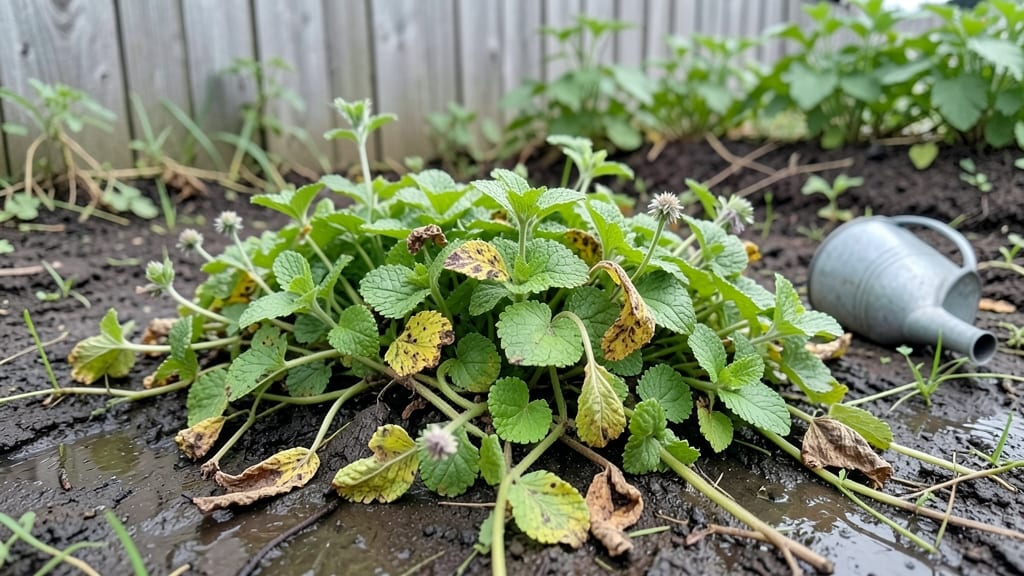
Overwatered mint plants are the most common mistake I see in gardens—especially when people think "more water = happier plant." 🌱 The telltale signs are yellowing leaves, mushy stems, and soil that smells sour, not earthy.
Between you and me, I’ve drowned more mint than I’d like to admit, but here’s how I turn it around every time.
The problem starts when roots suffocate in soggy soil, cutting off oxygen and inviting rot. Mint thrives in moist—not soggy—conditions, so the fix is simple: stop watering until the top 1-2 inches of soil feel dry to the touch.
Drainage is key—if your pot lacks holes, transfer your plant to one with them ASAP. A mix of potting soil and perlite keeps roots happy without smothering them.
Once you’ve saved your plant, you’ll notice new growth in about a week—bright green leaves and a fresh, peppery scent that means it’s back on track. The secret to keeping mint alive long-term?
Water only when the soil is dry, and choose a pot with drainage holes. Trust me, your mint will reward you with lush, fragrant stems for months.
This works for both container-grown mint and in-ground patches. The same rules apply whether you’re growing it in a sunny windowsill or a shady corner of the garden. Now, let’s get that plant breathing easy again.
The Hidden Triggers Behind Soggy Mint
Mint plants may seem hardy, but they’re far from flood-tolerant. When your mint plant looks like a sad, waterlogged swamp monster, the blame usually falls on a few sneaky culprits.
Understanding these causes is the first step to saving your plant—and keeping it thriving. Let’s break down the science behind why mint plants drown.
Mint thrives in moist (not soggy) soil, but many gardeners confuse "moist" with "drenched." Here’s why too much water is a silent killer:
- Root Suffocation: Mint roots need oxygen to absorb water and nutrients. When soil stays waterlogged, oxygen gets displaced, and roots suffocate.
This leads to anaerobic conditions, where harmful bacteria thrive, rotting roots and stunting growth. - Leaching Nutrients: Excess water washes away essential nutrients like nitrogen, phosphorus, and potassium—critical for mint’s vibrant growth.
Without these, your plant weakens and may develop yellowing leaves (a classic overwatering sign). - Fungal Foes: Wet soil is a breeding ground for fungal pathogens like Phytophthora and Pythium. These microbes attack roots, causing dark, mushy spots and a foul smell—basically, root rot on steroids.
Pro Tip: 💡 Stick your finger 1-2 inches into the soil before watering. If it’s damp, wait. If it’s bone-dry, it’s time to hydrate—but don’t drown it!
Mint hates "wet feet," yet many gardeners plant it in containers or soil with no escape route for excess water. Here’s how drainage fails mint:
- Clay or Compacted Soil: Heavy clay holds water like a sponge, refusing to release it. Mint roots in clay soil drown within days, turning brown and mushy. - No Drainage Holes: Pots without drainage holes trap water, creating a permanent swamp at the bottom.
Even "self-watering" pots can backfire if not monitored. - Low-Lying Planting Beds: If mint is planted in a depression or against a wall, water pools around it instead of draining away. This turns your garden into a mint-sized bog.
Fix It: ⚡ Amend heavy soil with perlite or sand (20-30%) to improve aeration. For pots, double-check drainage holes—and use a cache pot (a pot-within-a-pot) to control moisture release.
Mint isn’t just picky about water—it’s also sensitive to environmental conditions that make overwatering worse:
- Cold Soil: In chilly weather, soil drains 50% slower because water molecules move sluggishly. A light watering in winter can linger for days, suffocating roots. - High Humidity: If your mint is in a humid climate or indoors (like a bathroom), the air is already saturated.
Extra watering = double the drowning risk. - No Airflow: Stagnant air around the plant (like in a crowded pot or greenhouse) traps moisture, slowing evaporation and keeping soil wet longer.
Adjust Your Game: ❄️ In cold weather, reduce watering by half and move pots to sheltered spots. In humidity traps, increase airflow with a small fan or prune nearby plants to improve circulation.
Not all containers and soil are mint-friendly. Here’s how the wrong setup backfires:
- Too Small or No Room to Grow: Crowded roots in tiny pots compete for oxygen, making them more prone to rot when watered.
Mint spreads aggressively—give it space to breathe (or trim it back). - Peat-Heavy Soil: Pure peat retains moisture forever, creating a waterlogged prison for roots.
Mint needs well-draining, loamy soil with organic matter (like compost) to balance moisture. - Plastic Pots Without Breathability: Plastic traps heat and moisture, accelerating root rot. Terracotta or fabric pots allow better airflow and evaporation.
Upgrade Your Setup: 🏗️ Switch to a larger pot with drainage and mix in coco coir or vermiculite to improve drainage. Avoid peat-heavy bags—opt for "potting mix" labeled for herbs or vegetables.
Smart watering systems (like drip irrigation or self-watering globes) are convenient—but they can overdo it if not calibrated correctly.
- Set-and-Forget Systems: Most automatic waterers are programmed for general plants, not moisture-sensitive mint.
A 10-minute cycle might be too much for mint. - Sensor Failures: Some self-watering globes don’t account for humidity or soil type, leading to constant dampness instead of targeted hydration. - Overhead Watering: Sprinklers or misting systems soak the foliage, promoting fungal growth.
Mint should be watered at the base, not from above.
Fix the Flow: ⏰ Manually check soil moisture 2-3 times a week, even with automated systems. For globes, fill them halfway and monitor closely. Ditch overhead watering—use a watering can with a narrow spout instead.
Reviving Your Drowning Mint
Mint plants are hardy, but too much love (in the form of water) can quickly turn them soggy and sad. The good news? With the right steps, you can nurse your overwatered mint back to health—even if it looks like a sad, mushy mess right now.
Below, we’ll break down the fixes based on the root cause, plus tips to keep your mint thriving long-term.
If your mint’s leaves are turning yellow or wilting, the soil is likely waterlogged, cutting off oxygen to the roots.
Step-by-Step Rescue:
- 🔥 Stop Watering Immediately
- Let the soil dry out completely before watering again. No exceptions!
- 👨🍳 Repot in Fresh, Well-Draining Soil
- Remove the plant from its current pot and gently shake off excess soil.
- Repot in a container with holes for drainage and a mix of:
- 50% potting soil
- 30% perlite or coarse sand (for aeration)
- 20% compost (for nutrients)
- Pro Tip: If repotting isn’t an option, loosen the soil with a fork to improve airflow.
- 🥘 Trim the Damage
- Snip off any mushy, black, or yellow leaves with clean scissors. Healthy mint should have firm, green stems.
- ⏰ Adjust Your Watering Schedule
- Wait until the top 1–2 inches of soil are dry before watering again.
- Water deeply but infrequently—mint prefers consistency over constant moisture.
If your mint feels mushy at the base or smells foul, root rot may have set in. This is serious but treatable early on.
Emergency Care:
- 🔪 Prune the Roots
- Remove the plant from the pot and rinse the roots under lukewarm water to dislodge old soil.
- Use sterilized scissors to cut away black, mushy roots (healthy roots are firm and white).
- 🌡️ Let It Dry Out
- Place the trimmed plant in a shady, dry spot for 24–48 hours to let the roots harden slightly.
- 💡 Repot in Sterile Soil
- Use a new pot (old pots can harbor fungus) with fresh, well-draining soil.
- Add a handful of sand or perlite to the mix to prevent future waterlogging.
- 🎯 Monitor Closely
- Avoid watering for 3–5 days to let the roots recover.
- Resume watering only when the soil is bone-dry.
Once your mint is back on track, keep these tips in mind to avoid repeating the mistake:
- 📊 Use the Finger Test Stick your finger 1–2 inches into the soil. If it’s damp, wait before watering.
- ✨ Choose the Right Pot Terracotta pots dry out faster than plastic. If using plastic, add extra drainage holes.
- 💪 Mulch (But Not Too Much) A thin layer of mulch helps retain moisture, but too much can suffocate roots. Stick to ½ inch max.
- 🌧️ Water in the Morning This gives excess moisture time to evaporate during the day, reducing soggy soil.
- 🍃 Harvest Regularly Pruning encourages airflow and prevents overcrowding, which can trap moisture.
With these fixes, your mint should bounce back in 1–2 weeks. Keep an eye on its progress, and soon you’ll be harvesting fresh, vibrant leaves for your favorite teas and cocktails! 🍹🌿
Frequently asked questions
Why does my mint plant look sad even though I water it every day?
Daily watering is likely drowning your mint! Mint prefers moist—not soggy—soil. When roots stay waterlogged, they suffocate from lack of oxygen. Let the top 1-2 inches of soil dry out between waterings, and check for drainage holes in your pot. Overwatering is the #1 reason mint turns yellow and wilts.
How can I tell if my mint has root rot from too much water?
Root rot shows as black, mushy stems at the base and a foul smell from the soil. Gently tug on the plant—if it pulls out easily, roots are rotting. Healthy roots should be firm and white. If you see this, trim the damaged roots, repot in fresh soil with perlite, and avoid watering for 3-5 days to let roots recover.
Can I save my mint if the leaves are completely yellow and falling off?
Yes! Prune off all yellow leaves and check the roots. If they're still firm, repot in well-draining soil (50% potting mix + 30% perlite) and reduce watering. Place it in bright, indirect light and avoid watering until the soil feels dry. New growth should appear in 1-2 weeks if the roots are healthy.
What's the best soil mix to prevent overwatering mint?
Use a light, airy mix of:
- 50% potting soil
- 30% perlite or coarse sand (for drainage)
- 20% compost (for nutrients) Avoid peat-heavy soil—it holds too much moisture. Terracotta pots help too, as they wick away excess water faster than plastic.
How often should I water mint in different seasons?
Mint needs less water in winter (every 7-10 days) and more in summer (every 3-5 days). Always check soil moisture first—stick your finger 1-2 inches deep. In humid climates or indoors, reduce watering by half to prevent soggy soil.