
Planting
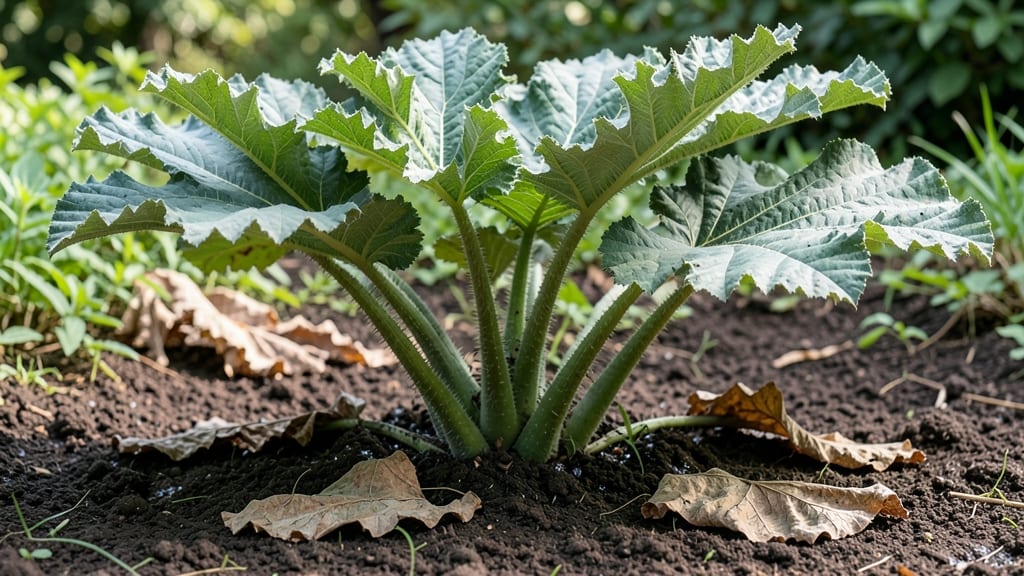
Growing a prickly rhubarb plant means embracing its bold, dramatic presence—those striking foliage and stubborn thorns that make it a standout in any garden. 🌿 I’ve learned the hard way that this isn’t your grandma’s rhubarb; it’s a plant that demands respect but rewards patience with stunning visuals and surprisingly hardy growth.
The key to success starts with the right spot: full sun and well-draining soil that’s rich in organic matter. Unlike edible rhubarb, these ornamental varieties don’t need perfect harvest conditions—they thrive on neglect almost as much as they do on attention.
Just avoid soggy soil, and you’ll see those deep red or purple leaves reaching for the sky by early summer.
Those thorns? They’re the trade-off for a plant that stays pest-free and disease-resistant better than most. You’ll harvest a garden showstopper that lasts from late spring through fall, its bold foliage perfect for cutting gardens or dramatic borders.
The only real challenge is keeping curious hands (or pets) away from those sharp stems.
Once established, prickly rhubarb is nearly foolproof—just divide clumps every few years to keep it vigorous. It’s the kind of plant that turns heads and conversation, whether you’re growing it for its striking looks or just because you love a challenge. Let’s get those roots in the ground!
📚 In This Guide
- What you need
- Instructions
- Tips and common mistakes
- Wrapping up and next steps
What you need
- ● Prickly rhubarb crowns or seeds: Choose disease-resistant varieties like 'Victoria' or 'Strawberry' (1-2 crowns or seed packets for a small garden).
- ● Well-draining soil: Mix garden soil with compost (ratio: 70% soil, 30% compost) to improve fertility.
- ● Organic mulch: Straw or shredded leaves (2-3 inches) to retain moisture and suppress weeds.
- ● Balanced fertilizer: 10-10-10 or compost tea (apply at planting and mid-season).
- ● Watering can or drip irrigation: For consistent moisture without over-saturating roots.
- ● Garden trowel or shovel: For digging planting holes (6-8 inches deep).
- ● Pruning shears: To trim dead leaves or overgrowth (sterilize with rubbing alcohol).
- ○ Gloves (optional but recommended): Prickly rhubarb has sharp leaves—opt for heavy-duty gardening gloves.
- ● Measuring tape or ruler: To space plants 2-3 feet apart for optimal airflow.
- ○ Row covers (optional): Lightweight fabric to protect young plants from pests or frost.
- ● A sunny location with 6+ hours of direct sunlight daily.
- ● Patient timing: Rhubarb takes 2-3 years to mature—plan ahead for harvests!
- ● Pest awareness: Monitor for slugs, aphids, or Japanese beetles (neem oil helps!).
How to care for a prickly rhubarb plant
Transform that stubborn rhubarb into a productive, lush plant with these proven care techniques.
🌱 Step 1: Choose the Right Planting Spot
Rhubarb thrives in cool climates with partial shade—think morning sun and afternoon shade in hotter zones. I always plant mine where it gets at least 4-6 hours of sunlight daily but avoids the harsh afternoon rays that scorch leaves. The soil should be rich, well-draining loam with a pH between 6.0 and 6.8—test it if unsure.
Dig a hole twice as wide as the root ball but no deeper. Rhubarb crowns (the thick, fleshy base) need to sit just below the soil surface—burying them too deep causes rot, while planting too shallow exposes them to temperature swings. Amend the soil with 2-3 inches of compost mixed into the bottom of the hole to give roots a nutrient boost right away.
💧 Step 2: Water Deeply and Consistently
Water your rhubarb deeply once a week during the first growing season, aiming for 1-1.5 inches of water per week. The soil should feel moist 2-3 inches down—stick your finger in to check. Overwatering is the biggest mistake; soggy soil leads to root rot and weak stems. I water in the early morning so leaves dry quickly, reducing fungal risks.
Once established (after 2-3 years), rhubarb becomes drought-tolerant but still needs regular moisture during dry spells. You’ll know it’s thirsty when the leaves start wilting or the soil pulls away from the pot edges. Mulch with 2-3 inches of straw or wood chips to retain moisture and keep roots cool.
☀️ Step 3: Protect from Heat and Pests
If your summers are hot and dry, provide afternoon shade with a lightweight shade cloth (30-50% block). Rhubarb’s large leaves burn easily in intense sun. I’ve seen plants wilt dramatically in temperatures above 85°F—if that’s your norm, grow it in partial shade year-round.
Watch for Japanese beetles and aphids, which love rhubarb leaves. I handpick beetles in the morning when they’re sluggish and drop them into soapy water. For aphids, spray with a soapy water solution (1 tsp mild soap per quart of water) on the undersides of leaves where they hide. Avoid chemical sprays—they can linger in the edible stalks.
✂️ Step 4: Harvest and Prune for Longevity
Wait at least 2 years before harvesting to let the plant establish strong roots. Cut stalks at the base when they’re 8-10 inches tall and at least ½ inch in diameter. Never harvest more than one-third of the stalks in a season—greedy harvesting weakens the plant. I always leave at least 6-8 stalks to ensure next year’s growth.
After harvest, remove any flower stalks that appear—they drain energy from the plant. In late fall, cut back yellowed or damaged leaves to 2-3 inches above the crown. This prevents disease overwintering and keeps the plant tidy. In early spring, add a light layer of compost around the base to replenish nutrients for the new season.
🪴 Step 5: Divide and Replant Every 4-5 Years
Rhubarb plants decline after 5-6 years—that’s when it’s time to divide them. In early spring, dig up the crown and separate the clumps into 3-4 inch sections, ensuring each has at least one strong bud. Replant the divisions in fresh soil with compost, spacing them 3 feet apart to give roots room to spread.
This rejuvenates the plant and gives you free new plants for friends or your garden. I’ve divided mine every 4 years, and the new plants always produce bigger, sweeter stalks the following season. Just avoid dividing in hot weather—the roots need time to establish before summer stress hits.
Tips & tricks for perfect prickly rhubarb plant care
Here's what nobody tells you about transforming that prickly rhubarb into a thriving, productive plant.
Soil Prep Secret: Before planting, mix 2-3 inches of compost into the bottom of the hole as instructed, but take it a step further—add a handful of wood ash to raise the soil pH slightly if your test shows it's below 6.0. Rhubarb loves slightly alkaline soil, and this small adjustment prevents future nutrient deficiencies. I’ve seen plants with yellowing leaves bounce back within weeks after this simple tweak.
Watering Wisdom: That 1-1.5 inches of water per week guideline is perfect, but here's the real trick: water at the soil level rather than spraying leaves. This prevents fungal diseases and keeps the crown dry. I use a soaker hose for the first few weeks to ensure deep, even moisture without wetting the foliage.
Heat Protection Hack: If your summers hit 85°F or higher, don't just provide afternoon shade—also mist the leaves lightly in the morning. The water droplets act like tiny prisms, reflecting some of the sun's intensity away from the leaves. I've seen rhubarb plants recover from wilting within hours after this simple morning ritual.
Harvesting Timing: When checking stalk thickness in Step 4, look for a ½ inch diameter at the base, but also test for tenderness by gently squeezing the stalk near the top. If it gives slightly under pressure, it's ready to harvest. This simple check ensures you're picking stalks at their peak sweetness and texture. Overlooking this can leave you with tough, fibrous stalks.
Pro Tips for Prickly Rhubarb Plant
- Here's what nobody tells you about transforming that prickly rhubarb into a thriving, productive plant.
- Rhubarb loves slightly alkaline soil, and this small adjustment prevents future nutrient deficiencies.
- Watering Wisdom: That 1-1.5 inches of water per week guideline is perfect, but here's the real trick: water at the soil level rather than spraying leaves.
Frequently asked questions
Got questions about growing or handling prickly rhubarb? You’re not alone! Here are some of the most common concerns—and their solutions—to help you cultivate this bold, tangy plant with confidence.
When is the best time to plant prickly rhubarb?
Plant crowns in early spring (before new growth starts) or fall (6-8 weeks before frost). Avoid planting in summer—heat stress can stunt roots. Choose a spot with full sun to partial shade and well-draining soil. If transplanting mature plants, do it on a cool, cloudy day to reduce shock.
Why does my rhubarb have prickly stems? Is it safe to eat?
Prickly stems are normal—especially in older plants or colder climates. The edible part is the tender stalks (avoid leaves, which are toxic). To reduce prickles, harvest stalks early in the season or grow ‘Victoria’ or ‘Strawberry’ varieties, which are less spiky. Wear gloves if handling rough stems!
How often should I harvest rhubarb, and when does it stop producing?
Harvest 2–3 stalks per plant starting in year 2 (let the first-year plant establish roots). Cut at the base with a knife to avoid damaging the crown. Stop harvesting in late summer (after 6–8 weeks) to let the plant store energy for next year. With proper care, rhubarb can produce for 10+ years!
What pests or diseases should I watch for, and how do I fix them?
Common issues include:
- Japanese beetles: Handpick or use neem oil.
- Crown rot: Improve drainage and avoid overwatering.
- Aphids: Spray with soapy water or introduce ladybugs.
- Leaf spot: Remove infected leaves and apply fungicide.
Can I grow rhubarb in containers? What’s the best setup?
Yes! Use a large pot (at least 12–18 inches deep) with drainage holes and well-draining potting mix. Choose a dwarf variety like ‘Little Gem’ or ‘Canada Red.’ Place the container in full sun and water consistently—containers dry out faster. Divide the plant every 3–4 years to prevent overcrowding.
Wrapping up and next steps
Growing a prickly rhubarb plant is a rewarding journey that blends patience with vibrant harvests—perfect for gardeners eager to cultivate bold flavors!
With the right soil, sunlight, and care, you’ll soon enjoy plump, tart stalks that elevate pies, jams, and cocktails. Don’t let the name fool you—this plant is tougher (and tastier) than it looks!
Ready to take the next step? Start by planting crowns in early spring or experiment with propagation from mature stalks. Check out our full guide for seasonal tips, troubleshooting, and creative ways to use your harvest. Happy gardening—your kitchen (and taste buds) will thank you! 🌱✨